
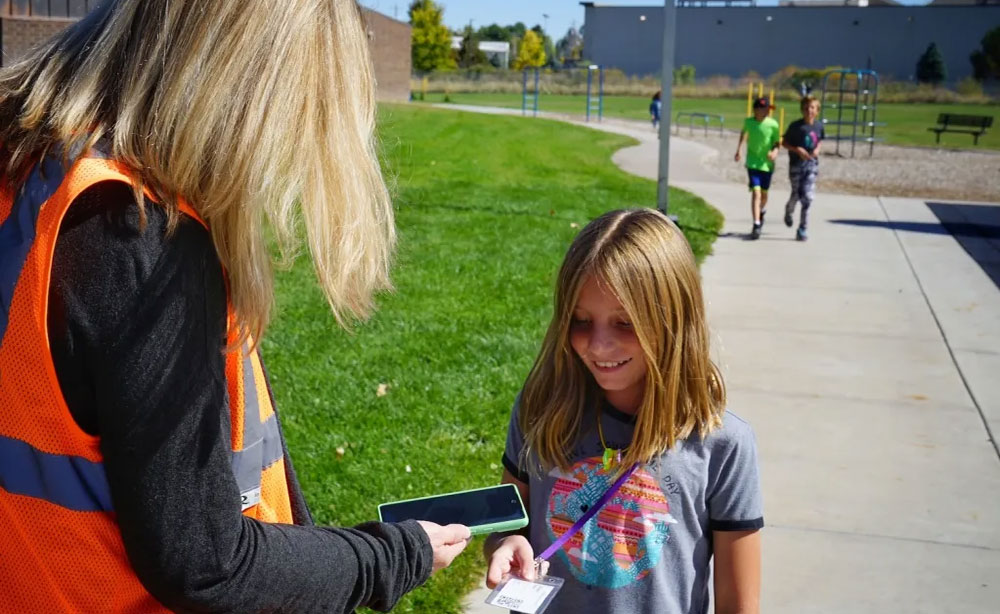
Wyoming students are falling critically short on physical education time, with some elementary schools offering as little as 30 minutes per week. This alarming statistic, revealed by University of Wyoming associate professor Dr. Ben Kern, signals a pressing need for educators and policymakers to re-evaluate the role of physical activity in our schools. The implications extend far beyond physical health, impacting academic performance, mental well-being, and overall student engagement.
The Alarming Reality of Wyoming's Physical Education Landscape
The squeak of sneakers on a gym floor and the enthusiastic shouts of students are becoming rarer sounds in many Wyoming schools. Dr. Ben Kern's research paints a stark picture: Wyoming elementary students are averaging a mere 73 minutes of physical education per week. This is a significant departure from national recommendations, which advocate for 150 minutes for elementary students and 225 minutes for secondary students.
The situation is even more dire in some districts. Kern highlighted instances where elementary schools provide only 30 minutes of physical education every six school days. This translates to fewer than 30 class periods over an entire academic year, leaving students with minimal structured opportunities for movement and development.
"A research study that I conducted with colleagues across the country noted that Wyoming elementary students only receive about 73 minutes per week of physical education."
This decline isn't unique to Wyoming; it reflects a national trend where academic pressures have led to the marginalization of subjects like physical education, art, and music. As schools increasingly focus on standardized testing, essential components of a well-rounded education are being sidelined.
Why Physical Education is More Than Just Recess
Dr. Kern, a specialist in physical education research, emphasizes that physical education is not a mere elective or an "extra" but a fundamental pillar of a comprehensive education. It directly contributes to students' health, their capacity for learning, their readiness for the workforce, and their overall quality of life.
The benefits of robust physical education programs are multifaceted. Beyond the obvious advantages of physical fitness, studies consistently show a strong correlation between regular physical activity and improved cognitive functions. Students who engage in regular movement often exhibit better attention spans, enhanced memory recall, and improved problem-solving skills.
Furthermore, physical education plays a crucial role in fostering essential life skills. Teamwork, communication, resilience, and sportsmanship are all cultivated on the playing field or in the gym. These are invaluable skills that extend far beyond the classroom and into every aspect of a student's future.
The Ripple Effect on Academic Performance
The notion that reducing physical education time will boost academic performance is a flawed one. In reality, the opposite is often true. Dr. Kern's research indicates that physical activity directly supports academic achievement by enhancing brain function and improving students' ability to focus and retain information.
When students have opportunities to move, their brains are better equipped to learn. This is particularly critical in today's educational climate, where the demands on students' attention and cognitive abilities are immense. Providing structured physical activity can be a powerful tool in supporting academic success.
"When students lose these opportunities to move, be creative, succeed beyond just test scores and experience joy in school, the day becomes less balanced and less engaging."
The mental health benefits are equally significant. Physical education provides a vital outlet for stress and anxiety, contributing to a more positive and balanced emotional state. This, in turn, can lead to fewer behavioral issues in the classroom and a more conducive learning environment for all students.
Addressing the Decline: Expert Recommendations for Wyoming
Dr. Kern is advocating for concrete policy changes to ensure that Wyoming students receive adequate physical education. His recommendations to the Legislature's Joint Education Committee are clear and actionable, aiming to integrate physical education more firmly into the state's educational framework.
Key among his proposals is the establishment of minimum weekly physical education time requirements. This would provide a clear standard for all schools to adhere to, ensuring a baseline level of physical activity for every student. Such a mandate would move physical education from an optional component to a non-negotiable part of the curriculum.
Kern also stressed the importance of prohibiting the withholding of physical education as a form of punishment. Using PE time as a disciplinary measure not only deprives students of essential physical activity but also sends a negative message about the value of movement and health.
Finally, he recommended requiring meaningful physical education credit for graduation and limiting substitutions for non-PE activities. This would ensure that students are actively engaged in physical education throughout their schooling and not simply opting out for less demanding alternatives.
The Capacity for Change: What Schools Can Do
The idea of increasing physical education time might seem challenging for some schools already struggling with resources and schedules. However, Dr. Kern's research suggests that many schools are indeed capable of making these changes.
A survey conducted by Kern's lab found that 95% of responding principals in Wyoming reported that their school's PE curriculum is designed to meet state standards. More encouragingly, over 42% of these principals indicated that their schools could increase physical education time if the state required it. This demonstrates a willingness and capacity within school leadership to prioritize physical education.
This finding is crucial because it suggests that the barriers to increasing PE time are not necessarily logistical but rather policy-driven. With clear mandates and support from the state, schools can adapt and expand their physical education offerings.
Innovative Approaches to Enhance Physical Activity in Schools
While policy changes are essential, educators can also explore innovative ways to integrate movement and physical activity into the school day, even within existing constraints. Leveraging technology and creative teaching strategies can make a significant difference.
For instance, incorporating MentofyCove classroom games can transform sedentary learning into active engagement. Games like Trivia, Word Search, or Anagrams can be adapted to reinforce academic concepts while encouraging quick thinking and participation. These tools can make learning dynamic and fun, breaking up long periods of sitting.
The use of Mentofy AI teaching tools can also streamline lesson planning and create more engaging activities. Teachers can use AI to generate lesson plans that incorporate movement breaks or design interactive elements that require students to be physically active. Tools like MentofyBoards offer interactive display widgets such as countdown timers or scoreboards that can gamify activities and keep students motivated.
Even simple strategies, like incorporating short "brain breaks" that involve stretching or quick exercises, can have a positive impact. For younger students, integrating movement into storytelling or math lessons can make learning more enjoyable and effective.
Leveraging Technology for Movement and Engagement
Technology offers a wealth of opportunities to enhance physical education and overall student activity. Beyond interactive games, AI-powered tools can assist educators in creating comprehensive lesson plans that prioritize movement.
Consider using AI for lesson planning to ensure that physical activity is a regular component. Teachers can also explore AI grading tools to free up time for more direct student interaction and activity supervision. Tools like Mentofy Academia can help generate diverse question types for assessments, allowing for varied ways to test understanding that might involve physical demonstration or activity.
Furthermore, tools like MentofyGroups can facilitate dynamic student grouping for activities, ensuring that students are mixed and engaged in collaborative physical tasks. The platform's AI icebreakers can also be used to energize students at the start of a lesson or activity.
Even simple digital tools can be powerful. A timed word search game or a quick trivia game can be projected onto a screen for a class-wide activity that gets students thinking and moving to answer. The key is to find ways to make physical activity a natural and enjoyable part of the learning process.
The Path Forward: A Call to Action for Educators and Policymakers
The data from Dr. Kern's research is a wake-up call. The current state of physical education in Wyoming schools is insufficient to meet the developmental needs of students. The time has come for a concerted effort to reverse this trend.
Educators, parents, and policymakers must collaborate to ensure that physical education is recognized and prioritized as a core component of a quality education. This involves not only advocating for policy changes but also embracing innovative teaching strategies and technologies that can enhance physical activity in schools.
The future well-being and academic success of Wyoming students depend on our commitment to providing them with the comprehensive education they deserve. This includes ensuring they have ample opportunities to move, grow, and thrive through robust physical education programs.
The journey to revitalizing physical education in Wyoming schools begins with acknowledging the problem and taking decisive action. By implementing clear guidelines, fostering innovative teaching, and leveraging available resources, we can ensure that every student has the chance to benefit from the profound advantages of physical activity. For those looking to explore new ways to engage students, Mentofy is free for teachers and offers a suite of tools designed to enhance classroom activities and learning experiences.





 Explore AI Teaching Tools
Comments (0)
Please login to comment
No comments yet
Be the first to comment on this article