
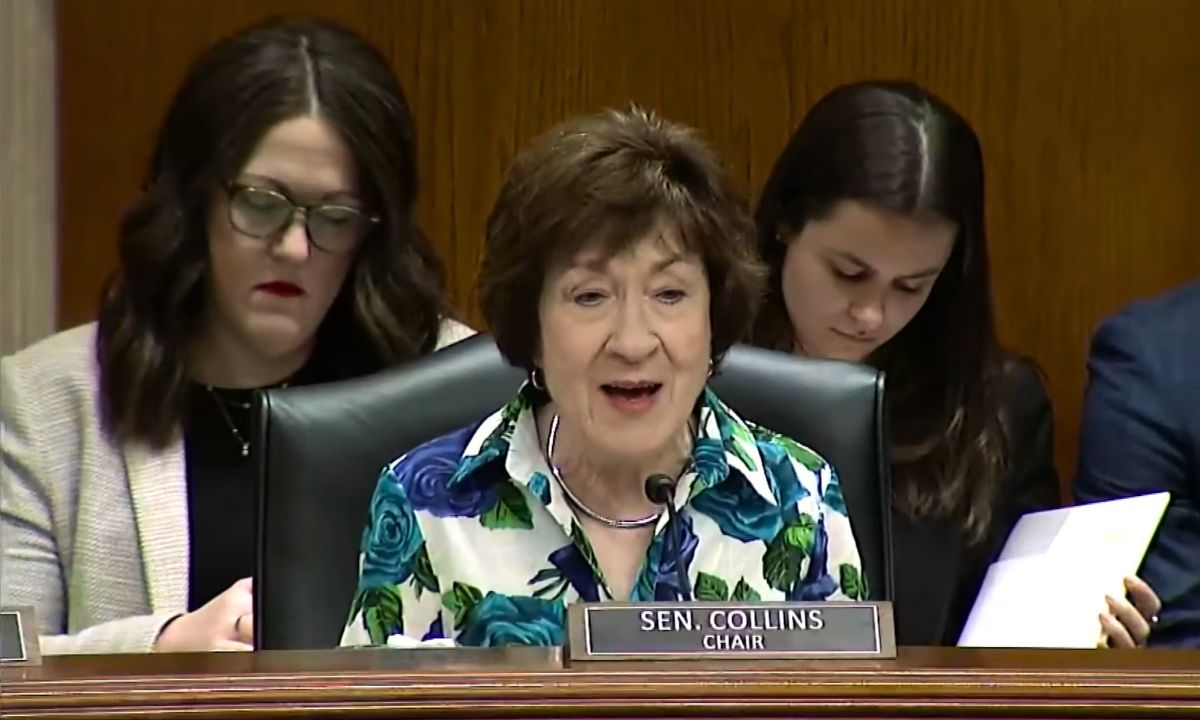
The U.S. Senate Appropriations Committee's recent grilling of Education Secretary Linda McMahon over proposed budget cuts to college preparation and rural education programs reveals a deep-seated tension in national education policy. The proposed consolidation of vital programs into a single grant, alongside significant cuts to crucial support systems, has sparked bipartisan concern, signaling a potential uphill battle for the administration's agenda and raising questions about the future of equitable access to education for millions of students.
Bipartisan Pushback Against Sweeping Program Consolidations
A significant point of contention during the hearing was the administration's proposal to merge $220 million designated for rural education with 16 other programs, including those supporting literacy, homeless students, and after-school initiatives, into a new "Make Education Great Again" grant. This consolidation, which would effectively absorb numerous targeted programs into a larger block grant, drew sharp criticism from both sides of the aisle.
Republican Senator Susan Collins of Maine, chair of the committee, voiced strong opposition, asserting that such a move would "undermine the goals of helping our K through 12 schools." She emphasized her commitment to protecting rural communities, highlighting that the proposed changes could inadvertently harm the very students these programs are designed to serve. The senator's remarks underscore a widespread sentiment that specific, targeted support is more effective than broad, consolidated funding.
"Protecting rural schools and rural communities has always been one of my top priorities."
Secretary McMahon, however, defended the administration's budget request, framing the reduction as a means to grant states greater autonomy in spending federal education dollars. She argued that the proposed MEGA grant program would prioritize reading and math, ultimately fostering "momentous opportunity for every child to realize their God-given potential." Despite these assurances, the committee members remained unconvinced about the efficacy of such a broad restructuring.
TRIO Programs Face Scrutiny, Highlighting College Access Concerns
The TRIO programs, a suite of federal initiatives designed to support low-income students, first-generation college students, and individuals with disabilities in their pursuit of higher education, emerged as another flashpoint. The proposal includes eliminating funding for these vital programs, which have a proven track record of helping students navigate the complex path to college, often starting as early as middle school.
Senator Collins, a vocal critic, noted that without TRIO, some of her own staff members would not have had the opportunity to attend college. This personal anecdote underscored the tangible impact of these programs on individual lives and career trajectories. The concern extends beyond a few individuals, as a letter signed by six Republicans and six Democrats expressed objections to the department's recent alterations to TRIO grants, which they believe are steering students toward the workforce instead of higher education.
Democratic Senator Jeff Merkley of Oregon presented compelling data illustrating the success of TRIO, citing studies showing that low-income high school students participating in programs like Upward Bound are more than twice as likely to earn a bachelor's degree by age 24 compared to their peers who do not participate. This statistical evidence powerfully countered the administration's rationale for potential cuts.
"The stats from these programs are pretty damn impressive."
Even Senator Mike Rounds of South Dakota, who has previously advocated for the elimination of the Department of Education itself, acknowledged TRIO as a "sensitive area" and urged Secretary McMahon to heed the committee's concerns. This bipartisan acknowledgment of TRIO's value suggests a shared understanding of its critical role in promoting educational equity.
Civil Rights Enforcement and Special Education Under the Microscope
Beyond college preparation, the hearing also delved into concerns regarding the Office for Civil Rights (OCR) and the future of special education programs. The proposed budget includes a substantial 35% cut to the OCR, a move that has alarmed advocates and lawmakers alike.
Senator Patty Murray of Washington, ranking member of the committee, expressed deep concern over the potential impact on students with disabilities. She highlighted a petition signed by thousands of parents and educators worried that the proposed shifts could "undermine 50 years of progress" in ensuring the rights of students with disabilities. The administration's contemplation of moving special education programs to other departments, such as Labor or Health and Human Services, has fueled these anxieties.
Senator Chris Murphy of Connecticut directly questioned Secretary McMahon about the OCR's effectiveness, pointing out that not a single child in Connecticut received a positive resolution for their discrimination claims, including 70 disability claims. This stark statistic raises serious questions about the department's capacity and commitment to addressing civil rights violations.
Adding to the scrutiny, Senator Bernie Sanders of Vermont released a report detailing the OCR's alleged low productivity, calling it the "least productive in over a decade." The report cited a government watchdog finding that placing OCR staff on paid leave, after attempts to terminate them, cost taxpayers at least $38 million. Secretary McMahon, however, insisted that efforts were underway to address complaints and seemed to express hope that the proposed budget for OCR could be increased from its "floor number."
Navigating the Future of Educational Support
The discussions surrounding these proposed cuts and consolidations highlight a fundamental debate about the role of federal funding in education and the most effective ways to support diverse student populations. While the administration emphasizes state flexibility and efficiency, lawmakers are prioritizing the proven impact of targeted programs and robust civil rights enforcement.
For educators, the implications are significant. The potential reduction or elimination of programs that provide crucial academic and social support could leave many students, particularly those from disadvantaged backgrounds, without essential resources. This could lead to increased challenges in college readiness, academic achievement, and overall well-being.
The committee's strong reaction suggests that the administration's budget proposals face considerable opposition. The bipartisan consensus on the value of programs like TRIO and the concerns raised about civil rights enforcement indicate that any significant changes will likely require extensive negotiation and compromise.
In this dynamic landscape, educators are constantly seeking tools and strategies to enhance student engagement and support. Platforms offering MentofyCove classroom games, such as trivia and word searches, can provide engaging ways to reinforce learning, while robust Mentofy AI teaching tools, including AI lesson plan generators and AI grading features, can help streamline workflows and free up valuable time for direct student interaction. The availability of Mentofy is free for teachers can also be a crucial factor for many.
The ongoing debate underscores the need for continued dialogue and a commitment to evidence-based practices in education policy. The future of programs that have demonstrably helped millions of students access higher education and overcome barriers will depend on the ability of policymakers to balance fiscal considerations with the imperative of ensuring equitable educational opportunities for all students, regardless of their background or geographic location.





 Explore AI Teaching Tools
Comments (0)
Please login to comment
No comments yet
Be the first to comment on this article