
The classroom of today is a dynamic, ever-evolving space, demanding more from educators than ever before. From crafting engaging lesson plans and differentiating instruction for diverse learners to managing administrative tasks and fostering a positive learning environment, teachers wear many hats. The relentless pace can lead to burnout, leaving little room for innovation or personal well-being. But what if there was a partner that could alleviate this burden, amplify your impact, and transform your teaching experience? In 2026, that partner is an AI teaching platform. This article will delve into why integrating the best AI tools for teachers isn't just a trend, but a necessity, offering practical insights into how these platforms streamline workflows, enhance student engagement, and empower you to focus on what truly matters: teaching.
1. Reclaim Your Time with Intelligent Automation
One of the most significant challenges educators face is the sheer volume of administrative and preparatory work. Lesson planning, assessment creation, and grading can consume countless hours outside of direct instruction. Imagine a world where these tasks are significantly reduced, freeing you to dedicate more energy to student interaction, professional development, or even personal hobbies. This is the promise of AI teaching platforms.
Automated Lesson Planning & Resource Generation
Traditional lesson planning is a meticulous, time-consuming process involving research, curriculum alignment, and material creation. AI platforms revolutionize this by generating comprehensive lesson plans in minutes. You can input your topic, learning objectives, grade level, and even specific pedagogical approaches, and the AI will craft a structured plan complete with activities, discussion prompts, and assessment ideas. This capability extends beyond basic outlines; the best AI tools for teachers can also suggest supplementary resources, differentiate content for various learning styles, and ensure alignment with national or international standards. For example, platforms like Mentofy Academia can generate detailed AI lesson plans, saving hours of precious planning time.
Effortless Exam Creation with Diverse Question Types
Creating effective assessments that accurately gauge student understanding and cater to different cognitive levels is another demanding task. AI teaching platforms excel here by offering sophisticated exam generation tools. Instead of manually writing multiple-choice questions, short-answer prompts, or essay topics, you can leverage AI to create a diverse range of assessment items. Mentofy Academia, for instance, boasts the ability to generate exams with over 25 question types, including drag-and-drop, true/false, fill-in-the-blank, matching, sequencing, and more complex problem-solving scenarios. This not only saves time but also ensures a richer, more varied assessment experience for students, moving beyond rote memorization to evaluate deeper comprehension and critical thinking skills.
Revolutionary AI Grading for Handwritten Papers
Perhaps one of the most tedious and time-consuming aspects of teaching is grading. The stack of papers, the subjective nature of assessment, and the sheer volume can be overwhelming. AI is poised to transform this. Imagine an AI that can not only grade digital submissions but also interpret and assess handwritten work. Mentofy Academia's Vision AI auto-grading feature represents a monumental leap forward. By simply scanning or uploading handwritten papers, teachers can receive AI-generated grades and feedback, significantly reducing the grading burden. While human oversight remains crucial, this technology allows teachers to provide timely feedback to students without sacrificing their evenings and weekends to marking, making it one of the most impactful of the best AI tools for teachers for reclaiming personal time.
2. Personalize Learning at Scale for Every Student
Every student is unique, with different learning styles, paces, and prior knowledge. Differentiating instruction to meet these individual needs has long been a pedagogical ideal, but a practical impossibility for a single teacher managing a classroom of 20, 30, or even 100+ students. AI platforms make personalized learning not just a dream, but a scalable reality.
Adaptive Learning Paths and Content
AI algorithms can analyze student performance data in real-time, identifying areas where a student excels or struggles. Based on this analysis, the platform can then adapt the learning path, providing additional practice for difficult concepts, offering advanced challenges for those who grasp material quickly, or recommending alternative explanations and resources. This ensures that each student is always working within their zone of proximal development, preventing frustration for struggling learners and boredom for advanced ones. Unlike static textbooks or one-size-fits-all worksheets, AI-powered content dynamically adjusts to the learner.
Targeted Feedback and Intervention
Beyond adapting content, AI can provide instant, targeted feedback on assignments and activities. This immediate feedback loop is crucial for learning, allowing students to understand their mistakes and correct them while the information is still fresh. For teachers, AI can highlight common misconceptions across the class or flag individual students who might need one-on-one intervention. This data-driven approach allows educators to focus their attention where it's most needed, providing timely support that can prevent students from falling behind. When considering the best AI tools for teachers, the ability to provide individualized feedback at scale is a game-changer.
3. Cultivate Dynamic and Engaging Classroom Environments
Keeping students engaged, especially in an era of constant digital stimulation, is a perennial challenge. Traditional lectures and worksheets, while sometimes necessary, can often fall flat. AI teaching platforms inject energy and interactivity into the classroom, transforming passive learning into an active, collaborative experience.
Interactive Classroom Display Widgets
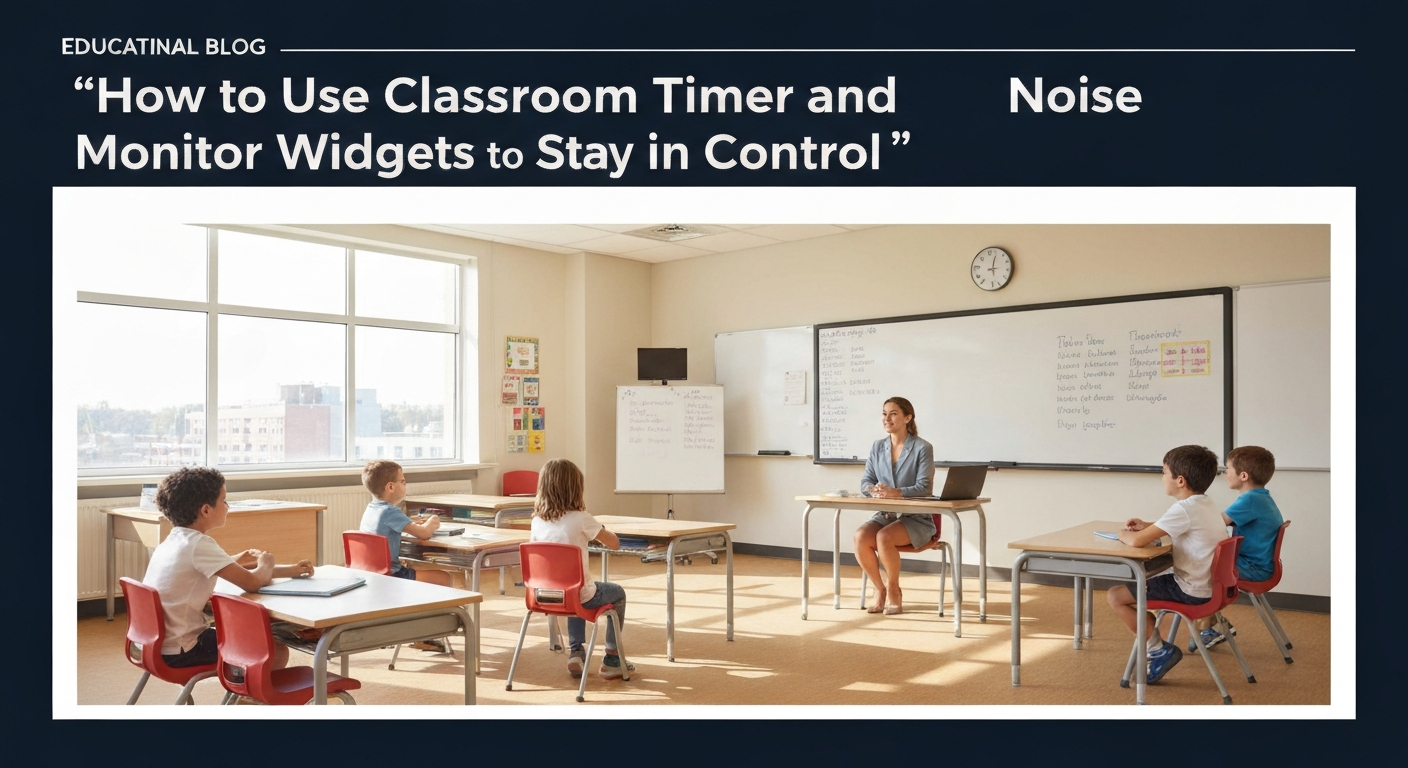
Visual aids and interactive tools are proven to enhance engagement. AI platforms offer a suite of digital widgets that can be displayed on an interactive whiteboard or projector, making the classroom itself more dynamic. MentofyBoards, for example, provides 18 interactive classroom display widgets, including countdown timers for activities, scoreboards for group work, noise monitors to manage classroom volume, instant polls for quick checks for understanding, dice for random group assignments or game elements, and digital timetables to keep everyone on track. These simple yet effective tools foster a more organized, fun, and responsive learning environment, moving beyond static presentations to truly interactive instruction.
Gamification for Active Learning and Motivation
Gamification harnesses the power of play to motivate students and make learning enjoyable. Many AI platforms integrate game-based learning elements, turning routine tasks into exciting challenges. Instead of traditional quizzes, you can deploy competitive MentofyCove classroom games like Trivia or Word Search, where students earn points or work collaboratively towards a goal. These games, similar to the engagement offered by tools like Kahoot or Quizizz, are designed to reinforce concepts, encourage participation, and create a positive learning atmosphere. MentofyCove specifically offers a range of live multiplayer classroom games such as Hangman, Crossword, Anagram, and Group Words, transforming review sessions into high-energy, collaborative experiences that boost retention and enthusiasm. This makes it one of the MentofyCove classroom games that truly stands out among the best AI tools for teachers for fostering engagement.
4. Streamline Classroom Management and Collaboration
Effective classroom management is the bedrock of successful teaching, but it often involves a labyrinth of organizational tasks. From forming student groups to tracking attendance and coordinating with co-teachers, these administrative duties can consume valuable instructional time and mental energy. AI teaching platforms offer intelligent solutions to simplify these processes.
Smart Student Grouping and Collaboration Tools
Creating effective student groups for projects, discussions, or collaborative activities is an art form. Teachers often spend considerable time trying to balance skill levels, personalities, and social dynamics. MentofyGroups takes the guesswork out of this by offering smart student grouping capabilities. Based on customizable criteria (e.g., academic performance, learning styles, or even random assignment), the AI can generate balanced and effective groups in seconds. This ensures that every group has a mix of strengths and supports productive collaboration. Furthermore, the platform integrates tools to facilitate group work, such as icebreakers (MentofyGroups offers 10 types) to kickstart collaboration and communication features that allow students to work together seamlessly within the platform.
Integrated Attendance and Google Classroom Import
Daily attendance tracking, while seemingly minor, adds up over time. AI platforms can automate or significantly streamline this process, often integrating with existing school systems or offering intuitive digital solutions. MentofyGroups, for instance, includes attendance tracking, allowing teachers to quickly mark students present, absent, or tardy with a few clicks. For educators already entrenched in digital ecosystems, seamless integration is key. The ability to import existing classes and student rosters directly from Google Classroom into MentofyGroups eliminates the need for manual data entry, saving considerable setup time and ensuring consistency across platforms. This interoperability is a hallmark of the best AI tools for teachers, reducing friction and maximizing efficiency.
Enhanced Co-Teacher Support and Communication
Team teaching, co-teaching, or even simply collaborating with support staff requires robust communication and shared access to resources. AI teaching platforms facilitate this by providing a centralized hub where co-teachers can access shared lesson plans, student data, assessment results, and classroom management tools. MentofyGroups' co-teacher support features ensure that all educators involved in a class can easily share responsibilities, monitor student progress, and maintain consistent instructional strategies. This unified approach minimizes miscommunication, ensures continuity of instruction, and allows teaching teams to work more cohesively and effectively, ultimately benefiting student learning.
5. Unlock Data-Driven Insights for Continuous Improvement
Effective teaching is an iterative process, constantly refined through reflection and adjustment. However, gathering and analyzing the data needed for truly informed decisions can be overwhelming. AI teaching platforms provide educators with powerful analytics, transforming raw data into actionable insights that drive continuous improvement in pedagogy and student outcomes.
Comprehensive Performance Analytics
AI platforms automatically collect and process vast amounts of student performance data from assignments, quizzes, and interactive activities. This data is then presented in intuitive dashboards and reports, offering a holistic view of individual student progress and overall class performance. Teachers can easily identify trends, pinpoint common areas of difficulty, and track mastery of specific learning objectives over time. Unlike manual grading where insights might be anecdotal, AI provides empirical evidence, allowing for precise identification of learning gaps or areas where curriculum adjustments might be beneficial. This deep analytical capability is a core reason why these are the best AI tools for teachers.
Identifying Learning Gaps and Strengths
Beyond just showing scores, AI can delve deeper to identify the 'why' behind student performance. For example, if multiple students struggle with a particular type of problem on an exam, the AI can flag this as a potential area needing re-teaching or different instructional approaches. Conversely, it can highlight areas where students demonstrate exceptional understanding, allowing teachers to provide advanced challenges or leverage peer-to-peer tutoring opportunities. This granular insight empowers teachers to move beyond general observations and make truly data-informed decisions about their instructional strategies, ensuring that interventions are targeted and effective.
Informing Instructional Adjustments and Curriculum Development
The insights gleaned from AI-powered analytics aren't just for understanding the past; they are for shaping the future. By understanding where students are excelling and struggling, teachers can make timely adjustments to their lesson plans, modify teaching methods, or even suggest revisions to the curriculum. If an AI reveals that a particular teaching strategy consistently yields better results for a certain topic, teachers can replicate that success. This continuous feedback loop between teaching, assessment, and data analysis allows for a dynamic and responsive educational approach, ensuring that teaching practices are constantly optimized for student success. This proactive use of data is what truly elevates the best AI tools for teachers from simple aids to strategic partners.
6. Bridge Gaps in Diverse and Inclusive Classrooms
Modern classrooms are wonderfully diverse, encompassing students with varying language proficiencies, learning disabilities, cultural backgrounds, and socio-economic statuses. Ensuring equitable access to education and tailored support for every student is a monumental task. AI teaching platforms offer powerful capabilities to foster inclusivity and bridge learning gaps, making education more accessible and effective for all.
Language Translation and Accessibility Features
For multilingual classrooms or students learning in a second language, language barriers can be a significant impediment to learning. AI platforms can offer real-time translation of content, instructions, and feedback, allowing students to access information in their native tongue while simultaneously developing their proficiency in the instructional language. Beyond translation, AI can provide text-to-speech options for students with reading difficulties, adjustable font sizes and color contrasts for those with visual impairments, and simplified language options for complex texts. These built-in accessibility features ensure that content is not just delivered, but truly understood by a wider range of learners.
Differentiated Support for Special Needs
Students with learning disabilities often require highly individualized accommodations and modifications. AI can assist in this by adapting the presentation of material, breaking down complex tasks into smaller steps, or providing alternative assessment formats. For example, an AI could generate a simplified version of a reading passage, offer interactive visual aids for abstract concepts, or provide structured templates for written assignments. While AI cannot replace the expertise of special education professionals, it can serve as a powerful tool to implement individualized education plans (IEPs) more effectively and consistently, providing an additional layer of support that makes learning more manageable and less intimidating for these students.
Culturally Responsive Content Adaptation
In an increasingly globalized world, classrooms often host students from diverse cultural backgrounds. AI has the potential to help teachers adapt content to be more culturally relevant and responsive, making learning more relatable and engaging for all students. While still an evolving area, AI can assist in suggesting diverse examples, culturally sensitive contexts, and a broader range of perspectives in instructional materials. This capability moves beyond simply delivering content to ensuring that content resonates with and respects the lived experiences of every student, fostering a more inclusive and welcoming learning environment. This thoughtful application makes AI platforms increasingly recognized as the best AI tools for teachers for promoting equity.
7. Empower Professional Growth and Pedagogical Innovation
The role of a teacher is not static; it requires continuous learning, adaptation, and innovation. AI teaching platforms are not just tools for students, but powerful resources for educators themselves, fostering professional growth and encouraging the exploration of new pedagogical approaches.
Professional Development and Skill Enhancement
AI platforms can act as personal professional development coaches. They can analyze a teacher's instructional patterns, identify areas for improvement based on student outcomes, and suggest relevant professional development resources or strategies. For example, if student engagement scores are consistently low during a particular type of activity, the AI might suggest alternative interactive methods or provide links to research-backed pedagogical techniques. Furthermore, by automating routine tasks, AI frees up time for teachers to engage in meaningful professional learning, attend workshops, or collaborate with colleagues, rather than being bogged down by administrative duties. This continuous feedback loop and access to resources empower teachers to refine their craft and stay at the forefront of educational best practices.
Experimentation with New Teaching Methodologies
With AI handling much of the heavy lifting in content creation and assessment, teachers gain the freedom to experiment with new and innovative teaching methodologies. Want to try a flipped classroom model? AI can generate the pre-recorded lectures and quizzes. Interested in project-based learning? AI can help structure projects, provide resources, and facilitate group collaboration. The ability to quickly generate diverse materials, adapt content, and manage complex group dynamics allows educators to explore pedagogical approaches that might have been too resource-intensive or time-consuming in the past. This encourages a culture of innovation, where teachers are empowered to tailor their instruction to the unique needs of their students and to explore what truly works best in their specific context.
Staying Ahead of Educational Trends
The educational landscape is constantly evolving, with new research, technologies, and best practices emerging regularly. AI teaching platforms, by their very nature, are at the cutting edge of these developments. By integrating AI into their daily practice, teachers naturally stay abreast of the latest technological advancements and how they can be leveraged for learning. These platforms often incorporate the latest in learning science and pedagogical research into their design, providing teachers with implicit professional development through their use. Engaging with the best AI tools for teachers means embracing a future-forward approach to education, ensuring that educators are not just keeping up, but leading the way in preparing students for a rapidly changing world.
Conclusion
As we look towards 2026, the question is no longer if AI will be part of education, but how deeply it will integrate into the fabric of teaching and learning. AI teaching platforms are not here to replace the invaluable human connection and expertise that teachers provide. Instead, they are designed to be powerful allies, amplifying your capabilities, streamlining your workflows, and empowering you to unleash your full potential in the classroom. By embracing these intelligent tools, you can reclaim your time, personalize learning for every student, create dynamic and engaging environments, manage your classroom with unprecedented ease, make data-driven decisions, foster inclusivity, and continuously grow as a professional. The future of education is collaborative, with AI standing ready to support and enhance the incredible work that educators do every day. It's time to equip yourself with the best AI tools for teachers and step confidently into a more efficient, impactful, and fulfilling teaching experience.
Ready to save hours every week? Mentofy is free for teachers — start in under 2 minutes.




 Explore AI Teaching Tools
Comments (0)
Please login to comment
No comments yet
Be the first to comment on this article