
Co-teaching, a collaborative instructional approach where two or more educators share responsibility for instructing a single group of students, has long been celebrated for its potential to enrich learning environments. It allows for differentiated instruction, varied teaching styles, and increased support for diverse learners. However, the practical implementation of co-teaching often faces significant hurdles: the immense time commitment for joint planning, ensuring equitable workload distribution, streamlining communication, and consistently aligning instructional strategies. These challenges, if unaddressed, can diminish the effectiveness and even the appeal of this powerful model.
In this comprehensive guide, we'll explore how integrating shared AI-powered tools can revolutionize the co-teaching experience, transforming common obstacles into opportunities for enhanced collaboration, efficiency, and student success. You'll discover practical strategies to leverage cutting-edge AI as indispensable teacher education resources, fostering a truly synergistic partnership that benefits both educators and learners across K-12, higher education, and international classrooms.
1. Streamlined Collaborative Planning with AI
One of the most time-consuming aspects of co-teaching is the joint planning required to create cohesive, differentiated, and engaging lessons. Traditional methods often involve lengthy meetings, manual resource gathering, and iterative revisions. Shared AI tools dramatically reduce this burden, allowing co-teachers to focus more on instructional design and less on administrative overhead.
Shared Vision & Instant Differentiation
AI can act as a powerful co-planner, helping both teachers quickly align on learning objectives and pedagogical approaches. Imagine inputting your curriculum standards, student demographics, and desired outcomes into an AI platform. It can instantly generate a detailed lesson plan draft, complete with suggested activities, assessments, and even differentiation strategies for various learning needs (e.g., IEPs, ELLs, gifted students). This immediate starting point ensures both co-teachers are on the same page from the outset.
For instance, using Mentofy AI teaching tools like Mentofy Academia, co-teachers can collaboratively input a topic, grade level, and specific learning objectives. The AI can then produce a comprehensive AI lesson plan that serves as a living document, easily edited and refined by both educators. This not only saves precious planning time but also ensures that differentiation is embedded from the beginning, rather than an afterthought, making it a critical part of your teacher education resources.
Resource Curation & Adaptation
Beyond generating plans, AI excels at finding and adapting relevant teacher education resources. Co-teachers can prompt AI to search for videos, articles, interactive simulations, or real-world examples that align with their lesson objectives. This eliminates the need for each teacher to conduct separate, time-consuming searches. Furthermore, AI can adapt existing materials to suit different reading levels or cultural contexts, ensuring accessibility for all students.
This capability is particularly valuable in diverse classrooms or international settings where materials might need significant modification. Co-teachers can upload a text or activity, and AI can summarize it, translate it, simplify its language, or generate comprehension questions, all within a shared workspace. This shared, AI-powered resource hub ensures that both teachers have access to and can contribute to a rich, evolving collection of instructional materials.
2. Co-Creating Engaging Assessments & Grading Efficiently
Designing effective assessments that accurately measure student understanding across diverse learning styles is another cornerstone of successful co-teaching. AI tools can significantly enhance this process, from generating varied question types to ensuring fair and consistent grading, making them essential teacher education resources.
Diverse Assessment Design
With shared AI tools, co-teachers can collaboratively design a wide array of assessment types tailored to their students' needs. Instead of relying solely on multiple-choice questions, AI can generate open-ended prompts, short-answer questions, essay topics, scenario-based problems, and even rubric ideas for performance-based tasks. This ensures that assessments are comprehensive and cater to different ways students demonstrate knowledge.
For example, Mentofy AI teaching tools include an advanced exam creator capable of generating 25+ question types. Co-teachers can work together on the platform, building assessments that reflect their shared instructional goals. One teacher might focus on conceptual understanding questions, while the other ensures there are application-based problems, all within the same collaborative environment. This collaborative design process not only saves time but also leads to more robust and equitable evaluations.
Fair & Consistent Grading
Grading can be a significant point of contention or workload imbalance in co-teaching. AI-powered grading tools offer a solution by providing consistent, objective feedback and significantly reducing the manual effort involved. For objective assessments, AI can grade instantly, freeing up co-teachers to focus on qualitative feedback and student conferencing.
Even for subjective assignments like essays or short answers, AI can assist by providing preliminary scores based on rubrics, checking for grammar and syntax, and highlighting areas for improvement. Mentofy Academia's Vision AI grading feature, for instance, can auto-grade even handwritten papers, ensuring consistency and drastically cutting down on grading time. This means co-teachers can spend less time marking and more time analyzing student performance data together, identifying trends, and planning targeted interventions. This objectivity and efficiency make AI-powered grading an invaluable part of your teacher education resources for assessment.
3. Dynamic Student Grouping & Management
Effective classroom management and student grouping are crucial for differentiated instruction, a hallmark of successful co-teaching. AI offers sophisticated tools to create dynamic, data-driven groups and manage classroom logistics, providing crucial teacher education resources for both educators.
Optimized Learning Teams
Manually creating student groups that balance academic levels, social dynamics, and specific learning needs can be complex and time-consuming. AI takes the guesswork out of this process. By analyzing student data (e.g., assessment scores, learning styles, collaboration skills), AI can suggest optimal group configurations for various activities, whether it's for collaborative projects, differentiated instruction stations, or peer tutoring.
MentofyGroups, for example, offers smart student grouping capabilities. Co-teachers can import student data (even from Google Classroom) and let AI generate groups based on criteria such as mixed abilities, similar interests, or specific intervention needs. This ensures that groups are strategically formed to maximize learning outcomes and facilitate effective co-teaching models like parallel teaching or station teaching.
Seamless Co-Teacher Oversight
A shared AI platform centralizes student data and management tools, providing both co-teachers with a unified view of the classroom. Features like attendance tracking, behavior logs, and progress monitoring can be managed collaboratively. This ensures that both teachers are always informed about individual student needs and overall class dynamics, facilitating seamless transitions and interventions.
MentofyGroups includes robust co-teacher support, allowing both educators to access and update student profiles, manage groups, and track progress in real-time. This eliminates the need for constant verbal updates or separate record-keeping systems, ensuring that both teachers have the most current information at their fingertips. Moreover, AI can suggest icebreakers (MentofyGroups offers 10 types) to foster positive group dynamics, further enhancing the collaborative learning environment.
4. Enhancing Classroom Engagement with Interactive AI
Keeping students engaged and actively participating is a shared goal for co-teachers. AI-powered interactive tools provide dynamic ways to capture attention, facilitate real-time feedback, and make learning more enjoyable for everyone. These tools are becoming indispensable teacher education resources for dynamic classrooms.
Collaborative Gamification
Co-teachers can leverage AI platforms to introduce interactive games and quizzes that reinforce learning objectives. Unlike traditional solo activities, these AI-powered games often support multiplayer modes, making them perfect for collaborative classroom environments. One teacher can facilitate the game, while the other observes student engagement and provides immediate support or clarification.
MentofyCove offers a suite of MentofyCove classroom games like Word Search, Trivia, Hangman, Crossword, Anagram, and Group Words. Co-teachers can launch a live quiz or a word search game directly from their shared account, allowing both to monitor student progress and participation in real-time. This interactive approach not only makes learning fun but also provides instant feedback on comprehension, allowing co-teachers to adapt their instruction on the fly.
Dynamic Classroom Displays
Interactive display widgets managed through a shared AI platform can transform the classroom environment. Co-teachers can use these tools to manage time, encourage positive behavior, facilitate discussions, and conduct quick polls, all from a unified interface. This reduces the need for physical props or separate devices, streamlining classroom operations.
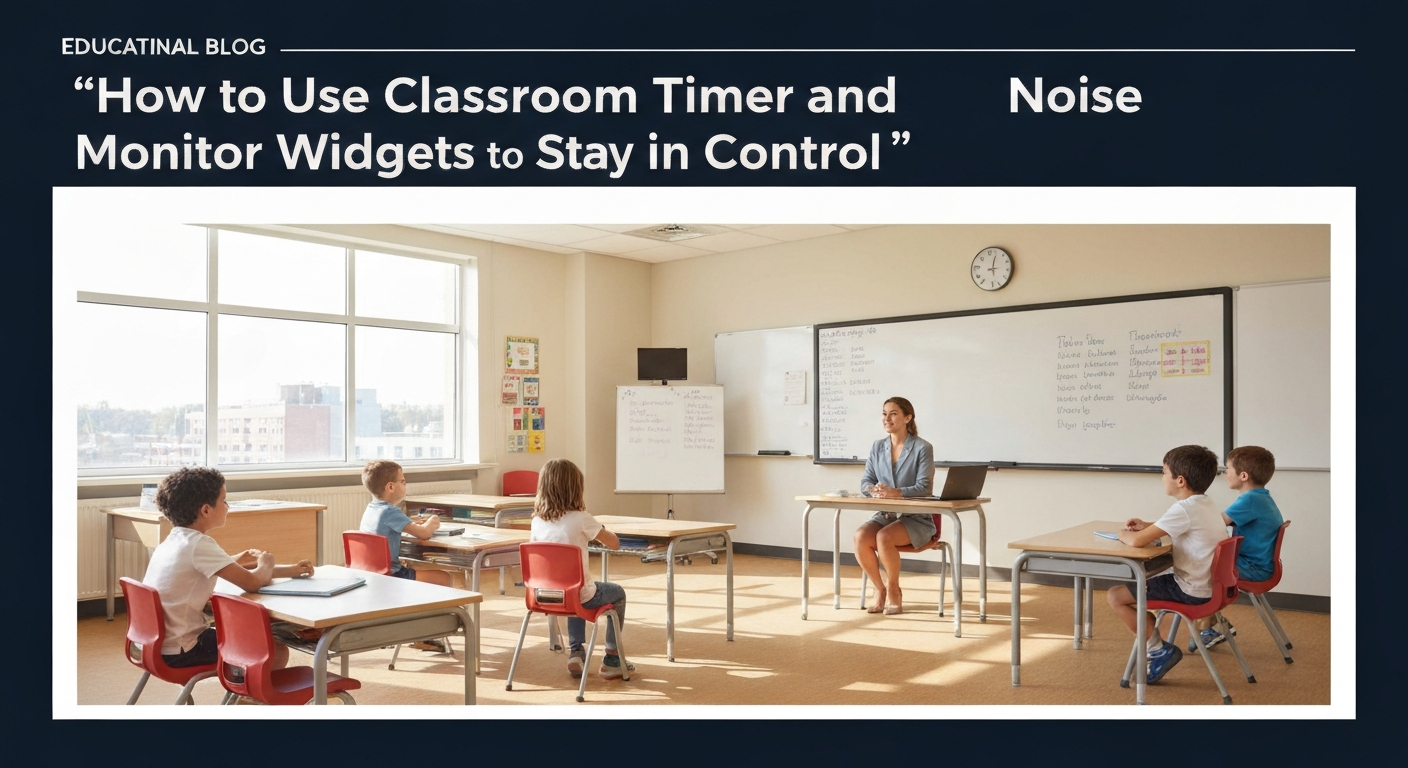
MentofyBoards provides 18 interactive classroom display widgets, including a countdown timer, scoreboard, noise monitor, polls, dice, and timetable. Both co-teachers can access and control these widgets, using them to enhance lesson delivery. For example, one teacher might use the poll feature to gauge understanding after a mini-lesson, while the other sets a timer for a group activity. This shared control over an interactive board creates a seamless and dynamic learning space, making it a valuable addition to your teacher education resources for engagement.
5. Data-Driven Reflection & Professional Growth
Effective co-teaching requires continuous reflection and adaptation. Shared AI tools provide co-teachers with invaluable data insights into student performance and instructional effectiveness, fostering a cycle of informed professional growth and making them essential teacher education resources for improvement.
Unified Performance Insights
When all planning, assessment, and engagement activities occur within a shared AI platform, a wealth of data becomes available to both co-teachers. AI can aggregate this data to provide comprehensive reports on student progress, identify common misconceptions, and highlight areas where specific teaching strategies were particularly effective. This unified view ensures that both educators have access to the same evidence base when reflecting on their practice.
Instead of relying on anecdotal evidence or fragmented data from different sources, co-teachers can review AI-generated insights together. For example, after an AI-graded exam, the platform can show which questions were most frequently missed, indicating areas where the class as a whole, or specific student groups, might need re-teaching. This shared data analysis supports a truly collaborative approach to instructional improvement.
Targeted Professional Development
AI insights can also inform targeted professional development for co-teachers. By analyzing student outcomes in relation to specific instructional strategies or shared lesson plans, AI can help identify areas where co-teachers might benefit from additional training or new teacher education resources. For instance, if data consistently shows a struggle with a particular concept, AI might suggest specific pedagogical approaches or differentiation techniques that have proven effective in similar contexts.
This data-driven approach moves professional development beyond generic workshops to highly relevant and impactful learning experiences. Co-teachers can use these insights to collaboratively set professional goals, explore new teaching methods, and refine their partnership, ensuring continuous improvement in their instructional practice and student outcomes.
6. Bridging Communication & Reducing Workload
At its core, co-teaching is a partnership that thrives on clear communication and equitable workload distribution. Shared AI tools act as a central hub, facilitating seamless communication and automating many administrative tasks, thereby significantly reducing the overall workload for both educators.
Centralized Resource Hub
One of the most significant benefits of shared AI platforms is the creation of a centralized hub for all collaborative efforts. From lesson plans and assessment drafts to student data and classroom management tools, everything is accessible to both co-teachers in one place. This eliminates the need for endless email chains, shared drives with version control issues, or fragmented communication channels.
Co-teachers can leave comments on shared documents, assign tasks, and track progress within the platform, ensuring that all communication related to instruction is contextualized and easily retrievable. This single source of truth for all teacher education resources and collaborative tasks ensures that both educators are always informed and aligned, reducing misunderstandings and saving valuable time that would otherwise be spent coordinating.
Automated Administrative Tasks
Beyond instructional planning, AI can automate many of the administrative burdens that often fall disproportionately on one co-teacher or consume valuable instructional time. This includes tasks like generating reports, managing attendance, scheduling activities, and even sending automated reminders to students or parents.
By offloading these repetitive tasks to AI, co-teachers gain more time to focus on what truly matters: direct instruction, providing individualized student support, and collaborating on high-impact pedagogical strategies. This automation not only reduces the overall workload but also helps to create a more equitable distribution of responsibilities within the co-teaching partnership, fostering a more balanced and sustainable working relationship. The time saved can be reinvested in refining lessons, offering personalized feedback, or engaging in deeper professional reflection, ultimately enhancing the quality of education provided.
In essence, shared AI tools transform co-teaching from a model fraught with logistical challenges into a highly efficient, collaborative, and rewarding educational partnership. They empower educators to leverage their combined strengths, personalize learning for every student, and continuously grow their practice with data-driven insights. By embracing these intelligent teacher education resources, co-teachers can unlock the full potential of their collaboration, creating truly dynamic and effective learning environments.
Ready to save hours every week? Mentofy is free for teachers — start in under 2 minutes.




 Explore AI Teaching Tools
Comments (0)
Please login to comment
No comments yet
Be the first to comment on this article