
Student Behavior Erupts: Experts Unpack Pandemic's Lingering Impact
A quiet observation from a Head Start teacher in rural Ohio last summer has echoed through classrooms nationwide: student behavior has taken a sharp downturn since the pandemic. This teacher, like many others, pointed a finger at increased screen time at home, a sentiment that has become a recurring theme in conversations among educators grappling with a growing challenge.
The Shifting Landscape of Childhood
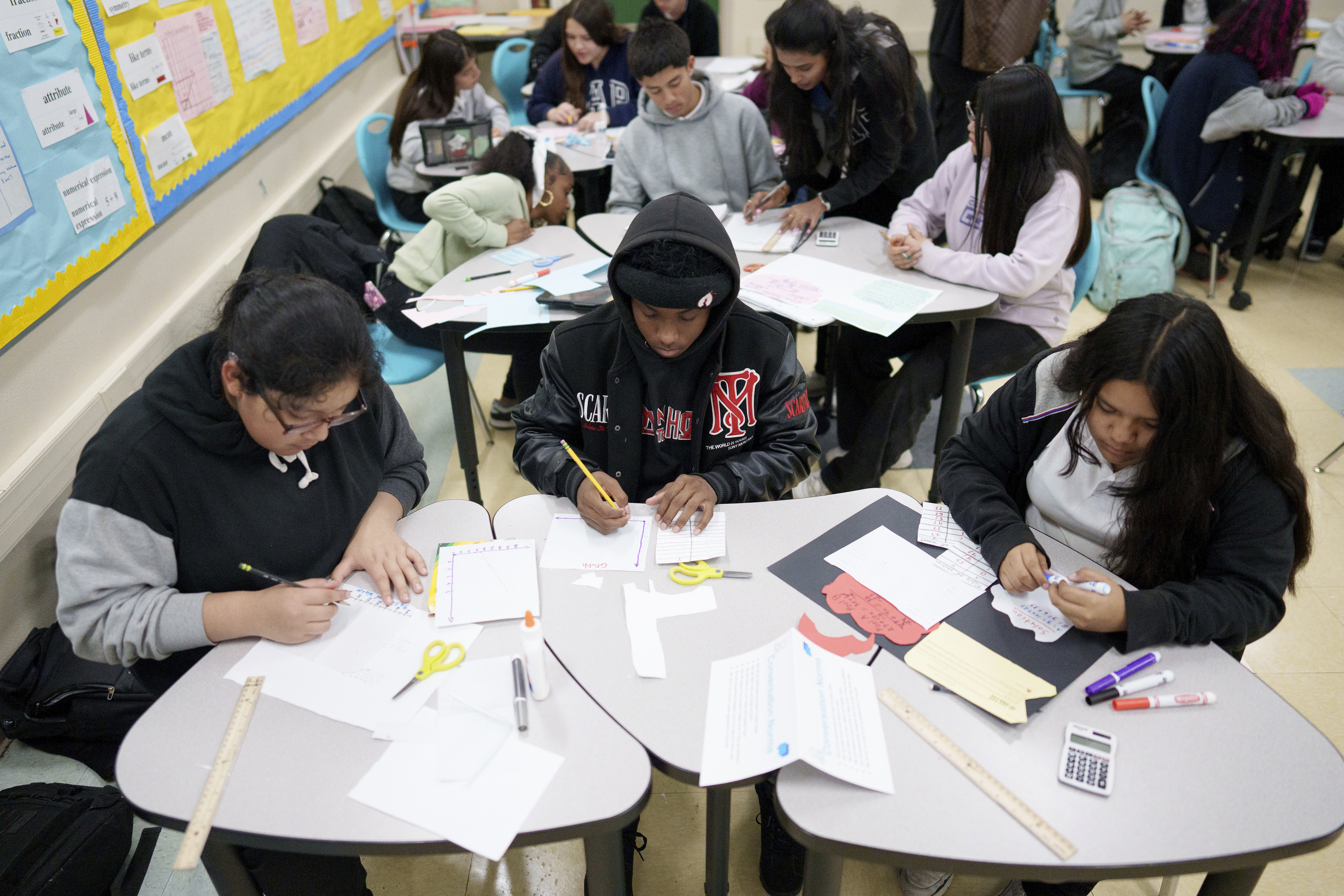
The anecdotal evidence is mounting, painting a picture of classrooms where managing student behavior has become an increasingly complex task. Teachers across the country report a noticeable change, a departure from pre-pandemic norms that is leaving many searching for answers and effective strategies.
Screen Time's Shadow
One of the most frequently cited culprits is the surge in digital device usage among children. Educators observe that extended periods spent with tablets and screens may be impacting young minds in profound ways. This excessive screen time is believed to affect attention spans and hinder the development of crucial social and emotional skills.
The concern is that children are spending less time engaging in real-world interactions, which are vital for learning empathy, conflict resolution, and self-regulation. This deficit can manifest as increased impulsivity and difficulty navigating classroom dynamics.
Economic Headwinds and Brain Development
Beyond screen time, a stark reality is the growing economic hardship faced by families. A recent report highlights a dramatic increase in child poverty, nearly tripling between 2021 and 2023 to 14 percent. This surge followed the expiration of pandemic-era financial aid, leaving many households struggling to meet basic needs.
Poverty exerts a significant toll on children's well-being, impacting everything from their physical health to their cognitive development. The stress and instability associated with economic insecurity can create an environment where children are more prone to behavioral challenges in school.
Parenting Practices Under Scrutiny
Some experts also point to shifts in parenting approaches as a contributing factor. There's a perception that some parents may be over-emphasizing discussions about behavior, sometimes to an extreme, while inadvertently reducing the implementation of consistent consequences.
This approach, while well-intentioned, can create a situation where children receive an overwhelming amount of attention and control when misbehaving at home. This can lead to a disconnect when they enter the school environment, where teachers are then left to manage the residual effects of these parenting dynamics.
Reimagining Behavior Management
The confluence of these factors is forcing a critical reevaluation of how schools and districts approach student behavior. The traditional methods are proving insufficient for the complex needs of today's children.
A Holistic Approach Takes Root
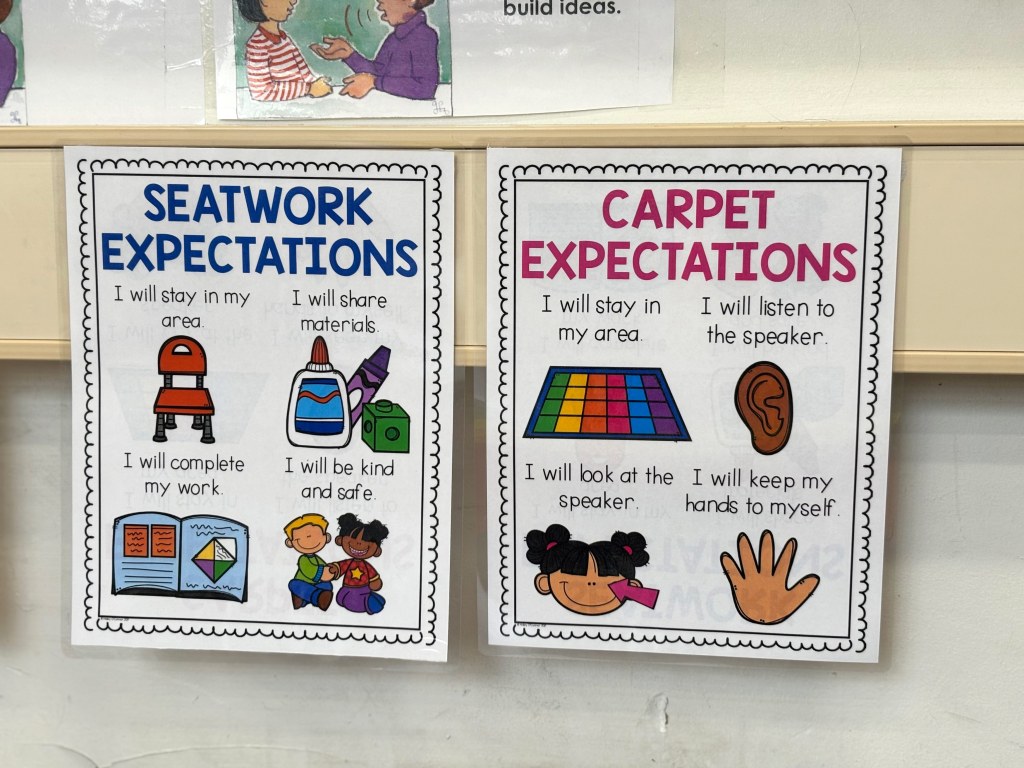
In response, some educators are embracing a more comprehensive understanding of student behavior. This involves looking beyond the classroom walls to understand the external factors influencing a child's actions. Punitive measures, such as public "clip charts" that publicly track student conduct, are being discarded in favor of more supportive interventions.
This shift acknowledges that behavior is often a symptom of underlying issues. By addressing the root causes, teachers can foster a more positive and productive learning environment. This might involve increased time for unstructured play, which is proven to enhance both behavior and academic performance.
The Road Ahead for Teachers
The challenges are significant, and the time required to address them is substantial. Teachers are on the front lines, navigating these complex issues with limited resources and often facing increased academic demands on their students.
The ongoing dialogue and the innovative approaches emerging from classrooms across the nation suggest a hopeful, albeit challenging, path forward. The focus is shifting towards understanding, empathy, and evidence-based strategies to support every student's journey.






 Explore AI Teaching Tools
Comments (0)
Please login to comment
No comments yet
Be the first to comment on this article