
Beyond the Plate: Unpacking the Real Skills Needed to Conquer the Food & Beverage Industry
The aroma of freshly brewed coffee, the sizzle of a pan, the hum of a busy dining room – the food and beverage (F&B) industry is a vibrant world that captivates many. But what truly lies beneath the surface of this dynamic sector? For those aspiring to build a career, or even a business, within F&B, the path might seem as varied as the menus themselves. One entrepreneur, who initially shied away from the heat of the kitchen, offers a compelling perspective on the specialized knowledge that can pave the way to success.
The Unconventional Start: From Kitchen Aversion to Entrepreneurial Vision
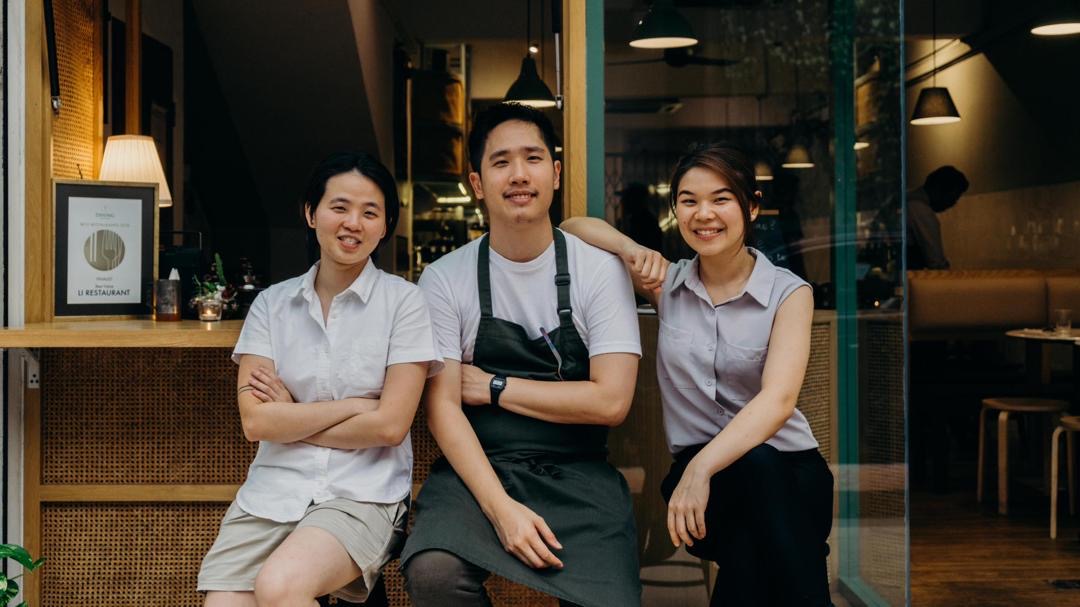
Lee Zi Yan, a co-founder of the popular Malaysian cafe Provisions, harbored no illusions about her aptitude for the culinary arts. "I have never wanted to be a chef," she states plainly. Despite this, her fascination with the F&B world persisted, leading her to explore a different avenue: culinary management. This decision, however, was met with parental skepticism, a common refrain for many Asian families prioritizing more traditional, stable career paths.
Her parents envisioned a conventional white-collar future for her, a stark contrast to the restaurant industry. Yet, Lee's conviction in her chosen field remained unshaken. This persistence proved to be a wise choice, as her studies at William Angliss Institute in Melbourne unexpectedly brought her together with her future business partners, fellow culinary management graduates. Today, this trio not only manages Provisions but also a nearby 16-seater establishment named Locus, demonstrating the tangible outcomes of their specialized education.
What Exactly is Culinary Management? More Than Just Cooking
The question often arises: do you truly need a formal culinary management education to thrive in the F&B sector? Unlike a pure culinary arts degree, which focuses on the technicalities of food preparation, culinary management offers a broader scope. It masterfully blends the hands-on realities of working in a commercial kitchen with essential business acumen and leadership principles.
While the curriculum does delve into the fundamentals of cookery, its true strength lies in its comprehensive approach. Students are exposed to critical areas such as human resource management, strategic planning, and fostering innovation. This holistic education aims to equip individuals not just with the ability to create, but also to manage, lead, and grow F&B ventures effectively.
The Crucial Role of Practical Experience
A significant component of culinary management programs involves mandatory hands-on placements. These internships are designed to bridge the gap between academic learning and the demands of the professional world, providing students with invaluable real-world experience before they even graduate. Lee vividly recalls a pivotal moment in her studies when a professor asked for a show of hands from those with prior work experience. She was the sole student with her hand down, a stark realization that ignited her drive to seek practical exposure.
Her initial foray into the F&B workforce was at McDonald's, a role many might overlook. However, Lee recognized its inherent value. "There are different managers, you have three or four different managers," she explains. "From there, I learnt very different leadership styles, and I got to know what leadership I’m more comfortable with." This experience provided her with critical insights into various management approaches, helping her identify her own preferences and avoid pitfalls she observed in autocratic or bureaucratic leadership styles.
Following this foundational experience, Lee continued to gain exposure in other F&B companies before transitioning to the luxury hospitality sector with a role at Park Hyatt. This period in a top-tier, five-star hotel proved to be an eye-opening experience, and for a time, she envisioned a long-term career within hotel management. However, the expiration of her visa necessitated a decision: pursue a master's degree to remain in Australia or return home. She chose the latter, a decision she reflects on with no regrets.
The Diverse Pathways to F&B Success
The F&B landscape today is populated by individuals from a wide array of backgrounds. While some, like Yew Shih Sheng who also studied at William Angliss, find success selling specialized products such as doughnuts, others embark on F&B ventures with seemingly unrelated academic foundations. Desmond Ng of Big Boss HSP, for instance, studied accounting and finance, while cafe owner Chester Yong pursued finance and management. This diversity begs the question: is a dedicated culinary management degree the only, or even the best, route?
Lee herself ponders this, musing, "I always thought, what if I studied marketing? It would be super beneficial for my current business right now." She acknowledges the allure of disciplines that offer more immediate and tangible results, contrasting them with the often long-term rewards of the hospitality sector. "And I do ponder, what does hospitality provide? Because it doesn’t provide instant results, but marketing does."
Leveraging Strengths in a Competitive Arena
Undeniably, practical skills are paramount in the F&B industry. The culinary expertise of Lee's co-founder, Lim Heng Kit, is a prime example. His mastery of product development and commitment to consistency are key drivers of customer loyalty and repeat business. This hands-on proficiency is a cornerstone of any successful food-related enterprise.
Lee also highlights the practical, life-preparing aspects of her Melbourne education. "One thing I loved about studying in Melbourne is that there was a lot of things that was practical that prepared you towards adulthood," she shares. Her palate, for instance, was significantly refined through exposure to a wide variety of ingredients, dishes, and wines, a crucial asset for anyone working in food and beverage.
For those without direct F&B experience, Lee suggests that running an establishment is still achievable, albeit through a "different manner." This approach involves strategically leveraging one's existing strengths. An individual with a fine dining background might focus on attracting a gourmand clientele, while an interior designer might create a visually stunning cafe that appeals to those with an appreciation for aesthetics. The advantage of a culinary management background, however, is the cultivation of a broader perspective, enabling one to potentially reach and cater to a wider audience.
While a culinary management degree may not be an absolute prerequisite for F&B success, it undeniably signals a deep-seated dedication to the craft and a serious commitment to the industry. The F&B world, Lee emphasizes, is not typically a path for those solely seeking substantial financial gain. The profit margins, she observes, are often leaner compared to other sectors. "Being in this industry for 15 years, I wouldn’t say it’s easy," she admits. "But if you have a passion in F&B or in hospitality, just do it. It will be a journey, but money cannot buy this journey." This sentiment underscores the intrinsic rewards of pursuing a career driven by passion, even amidst the inherent challenges of the industry.







 Explore AI Teaching Tools
Comments (0)
Please login to comment
No comments yet
Be the first to comment on this article