
West Contra Costa Schools Face Lawsuit Over Crumbling Facilities and Critical Teacher Shortages
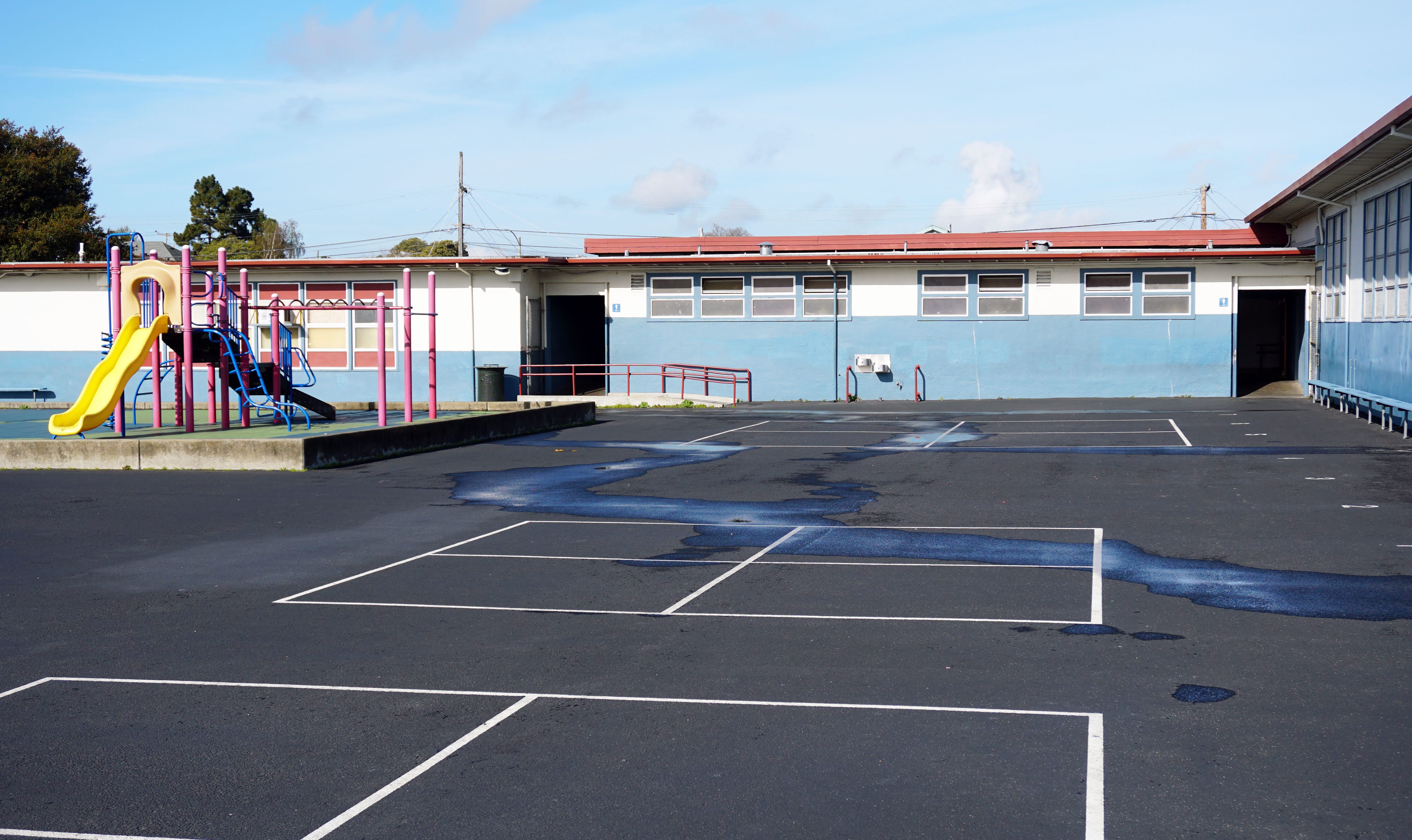
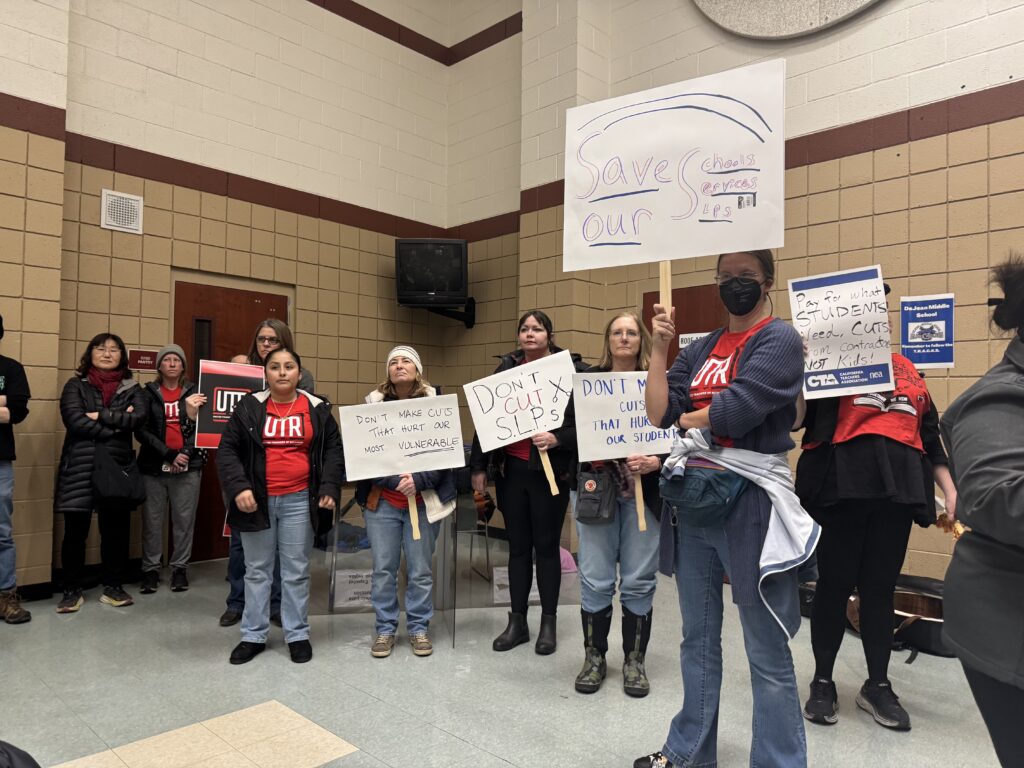
A seismic legal challenge has been launched against the West Contra Costa Unified School District, accusing it of systemic failures to provide students with safe learning environments and qualified educators. The lawsuit, filed by a coalition of educators, parents, and staff, alleges that the district has neglected basic building maintenance and is grappling with a severe shortage of teachers, disproportionately impacting vulnerable student populations.
A System Under Strain: The Core Allegations
The legal action, brought forth by civil rights advocates and pro bono legal counsel, centers on the district's alleged failure to address numerous complaints regarding deteriorating school conditions and persistent teacher vacancies. This marks a significant moment, as it's the first time a school district in California is being sued under the landmark framework established by the 2004 Williams v. California settlement.
This pivotal settlement enshrined the rights of all California public school students to have access to essential resources, including adequate textbooks, clean and safe school facilities, and fully credentialed teachers. The petitioners in this case are demanding immediate court intervention to compel the West Contra Costa Unified School District to rectify these long-standing issues and uphold their legal obligations.
When Buildings Fail and Teachers Vanish
The lawsuit details a disturbing pattern of neglect. In June of last year, a staggering 45 complaints were lodged specifically concerning the state of Stege Elementary School. These complaints painted a grim picture, citing pervasive mold on walls, broken floor tiles, and windows that were inoperable, rendering classrooms unsafe and unconducive to learning.
The crisis extends beyond physical infrastructure. Just six months later, three separate complaints highlighted critical teacher vacancies at Stege Elementary, Helms Middle School, and Kennedy High School. Under the established Williams complaint process, school districts are allotted a strict 30-day window to resolve facility issues and 45 days to respond to any legal challenges. According to the plaintiffs, West Contra Costa has failed to meet these deadlines, allowing problems to fester.
Instead of actively recruiting and hiring qualified educators, the district has reportedly resorted to an illegal practice of relying on substitute teachers for extended periods. This circumvention of legal hiring protocols is a central point of contention in the lawsuit, further exacerbating the instability faced by students.
The Vicious Cycle of Neglect
The consequences of these compounded failures are creating a detrimental feedback loop within the school district. Attorneys for the plaintiffs argue that the poor condition of school facilities discourages qualified teachers from applying for positions or leads existing teachers to seek employment elsewhere. This, in turn, fuels the teacher vacancies, which then negatively impacts student performance and attendance.
This decline in academic outcomes and engagement can erode confidence among parents, community members, and even district administrators themselves, leading to reduced investment in both school infrastructure and educational programs. The lawsuit aims to shatter this cycle, ensuring that students in the West Contra Costa district have a genuine opportunity to thrive academically.
A Parent's Plea for Stability
The human cost of these systemic issues is deeply felt by families. Darrell Washington, a parent at Stege Elementary whose son is not a direct complainant but has experienced the fallout, described a chaotic academic year. His son cycled through two or three different teachers, creating an environment of instability that he believes is detrimental to his child's educational journey.
Washington, a community activist, emphasized that this situation is not just an isolated incident but a profound disservice to all children within the school. He is raising awareness to advocate for a more supportive and stable educational experience for every student.
The Impact on Student Engagement and Equity
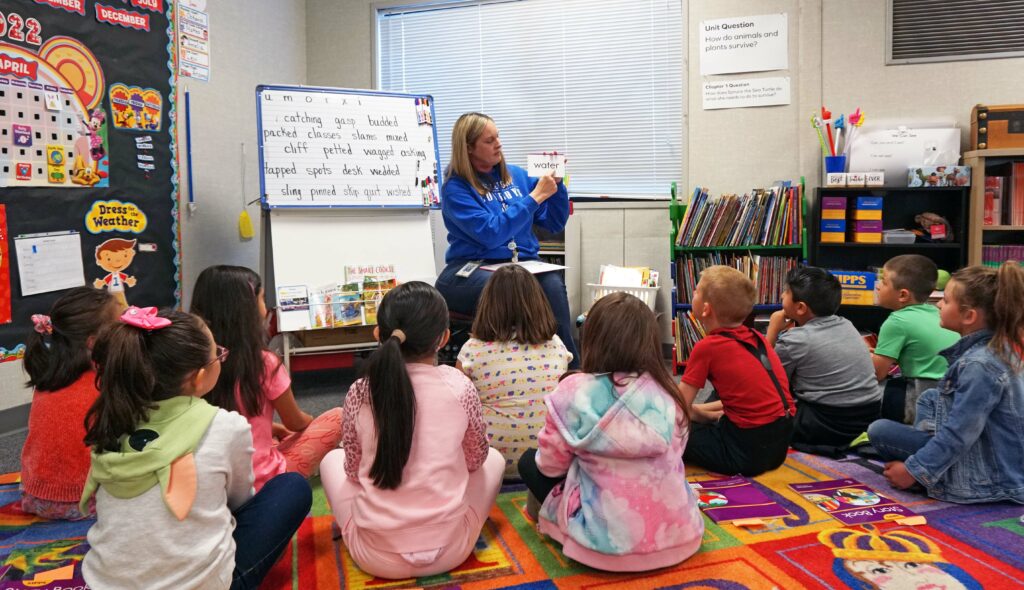
Educators on the front lines are witnessing firsthand the detrimental effects of constant teacher turnover. Raka Ray, a biology teacher at Kennedy High, has observed a marked decline in student engagement and curiosity when they lack a consistent, permanent teacher. This instability can manifest in increased absenteeism, behavioral issues, and a heightened reliance on personal devices during class time.
Crucially, the problem of teacher vacancies disproportionately affects students of color. Stege Elementary, for instance, serves a significant population of Black and Hispanic or Latino students. Similarly, Helms Middle and Kennedy High have substantial percentages of Hispanic or Latino students, alongside a notable Black student population. For these students, many of whom may come from backgrounds marked by trauma, a stable and predictable school environment is paramount for their academic success and overall well-being.
The lack of consistent teaching can lead these marginalized students to lose faith in the educational system's ability to offer them a pathway to a brighter future. This erosion of hope is a critical concern that the lawsuit seeks to address.
Addressing the Vacancy Crisis: District Efforts and Realities
In response to the escalating concerns, Superintendent Chris Hurst addressed the teacher vacancy issue at a recent board meeting. He acknowledged the intensive efforts by the human resources team to fill open positions before the upcoming school year.
As of the latest reports, the district faces a substantial number of openings: 76 elementary teacher positions, 23 secondary teacher vacancies, and 13 openings for special education teachers. Beyond certified educators, there are also 247 classified positions vacant, many of which are for paraprofessionals who play a vital role in supporting students.
Schools on the Front Lines of the Shortage
Several schools within the West Contra Costa district are particularly hard-hit by these vacancies. Elementary schools reporting three or more openings include Stege, Bayview, Coronado, Harding, Verde, and West County Mandarin. At the secondary level, Korematsu, Pinole Valley, Richmond, and Kennedy are experiencing similar critical shortages.
The district has engaged in extensive recruitment efforts over the past year, attending 37 job fairs and forging partnerships with various educational institutions and organizations. These collaborations include 35 universities, Teach for America, teacher residency programs, and initiatives to engage retired teachers. The district also utilizes multiple job boards and has additional job fairs scheduled for the summer.
Despite these efforts, the reality of filling every vacancy remains a challenge. Camille Johnson, the associate superintendent of human resources, indicated that if all positions are not filled by the summer's end, the district will once again rely on substitute teachers. These substitutes are available on a day-to-day, 30-day, or 60-day basis, highlighting the ongoing reliance on temporary solutions.
The lawsuit against the West Contra Costa Unified School District underscores a critical juncture for public education. It highlights the urgent need for districts to not only maintain safe and functional facilities but also to prioritize the recruitment and retention of qualified teachers, especially for the students who need stability and consistent support the most. The outcome of this legal battle could set a significant precedent for how school districts are held accountable for providing equitable and effective education for all students.





 Explore AI Teaching Tools
Comments (0)
Please login to comment
No comments yet
Be the first to comment on this article