
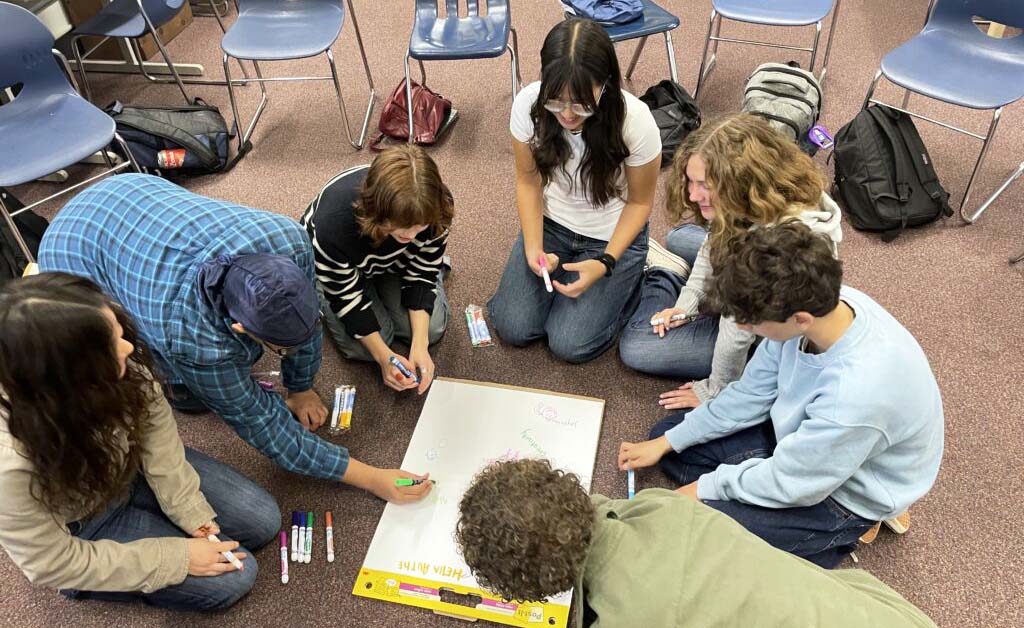
Unlocking Potential: The Transformative Power of Arts Education in schools
In an era where academic engagement is paramount, the vibrant world of arts education emerges as a powerful catalyst for student growth.Beyond traditional subjects, the arts offer a unique pathway to ignite passion, foster critical thinking, and cultivate essential life skills.
This comprehensive guide explores the profound impact of arts education, examining how it enriches the learning experience and prepares students for a dynamic future, with a special focus on initiatives that champion its accessibility.
The Indispensable Role of Arts in Modern Education
The landscape of education is constantly evolving, and the arts stand as a cornerstone of a well-rounded curriculum.
Far from being mere extracurricular activities, disciplines like music, visual arts, theater, and dance are increasingly recognized for their significant contributions to cognitive development, emotional intelligence, and overall academic success.
Research consistently indicates that engagement with the arts can significantly boost student enthusiasm and attendance, creating a more dynamic and supportive school environment.
This renewed appreciation stems from a deeper understanding of how creative pursuits actively shape young minds.
Neuroscience has provided compelling evidence for the tangible benefits of arts education.
For instance, the intricate patterns of musical training can fortify the developing brain, enhancing neural pathways and cognitive functions.
Similarly, participating in theatrical productions cultivates empathy, deepens historical understanding, and hones literacy skills through immersive storytelling and performance.
The inherent spirit of play, creativity, and narrative found within the arts effortlessly builds the memory, concentration, and problem-solving abilities that are crucial for rigorous academic pursuits.
Importantly, these benefits are often most pronounced for students from lower-income backgrounds, highlighting the critical need for equitable access to quality arts programs.
The skills fostered through arts education are not only beneficial for academic achievement but are also vital for navigating the complexities of the 21st century.
In a world increasingly influenced by artificial intelligence, the uniquely human gifts of originality, innovation, and creative expression become even more valuable.
The arts provide a fertile ground for nurturing these qualities, empowering students to develop their individual voices and to approach challenges with ingenuity and resilience.
This makes the investment in arts education a crucial step in preparing the next generation for a future that demands adaptability and imaginative thinking.
Cognitive and Emotional Development Through Artistic Expression
The cognitive advantages of arts education are extensive.
Learning to play a musical instrument, for example, requires intricate coordination, pattern recognition, and memory recall, all of which contribute to enhanced executive functions.
Visual arts encourage spatial reasoning, attention to detail, and the ability to translate abstract ideas into tangible forms.
Theater arts demand active listening, collaborative problem-solving, and the development of public speaking skills.
These activities collectively sharpen focus, discipline, and the capacity for sustained effort.
Beyond cognitive gains, the arts play a pivotal role in emotional development.
Through artistic expression, students can explore and process a wide range of emotions in a safe and constructive environment.
Drama, in particular, allows individuals to step into different perspectives, fostering empathy and understanding of diverse human experiences.
The collaborative nature of many arts disciplines also teaches invaluable lessons in teamwork, communication, and mutual respect.
This emotional intelligence is as crucial for personal well-being as it is for professional success.
The Arts as a Foundation for Lifelong Learning
The foundational skills acquired through arts education extend far beyond the classroom, shaping individuals into lifelong learners.
The discipline required to master an art form instills a strong work ethic and the understanding that consistent practice leads to improvement.
The creative problem-solving inherent in artistic endeavors equips students with the ability to approach challenges from multiple angles and to think outside the box.
These are transferable skills that benefit individuals in any field they choose to pursue.
Furthermore, early exposure to the arts can have a lasting impact on brain plasticity.
Studies suggest that individuals who engage in music training from a young age may exhibit enhanced neural activity throughout their lives, maintaining cognitive sharpness well into older age.
This enduring connection to creative pursuits underscores the profound and long-term benefits of integrating the arts into the educational journey from its earliest stages.
Understanding Funding Initiatives for Arts Education
Recognizing the immense value of arts education, various initiatives have emerged to ensure its widespread availability in schools.
These programs aim to provide dedicated financial resources, enabling schools to expand their arts offerings, hire qualified instructors, and acquire necessary materials.
The goal is to democratize access to the transformative power of the arts, ensuring that all students, regardless of their background, have the opportunity to benefit.
One such significant development is a landmark initiative designed to guarantee sustained funding for arts and music programs in public schools.
This program, approved by voters, represents a substantial financial commitment, injecting a considerable amount of money annually into arts education.
The intention is to reverse the erosion of arts programs that has occurred due to budget cuts over the years, revitalizing a field that has long been undervalued.
The Mechanics of Arts Funding Guarantees
These funding initiatives typically operate by allocating a specific portion of state funds directly to arts education.
The distribution of these funds is often structured to be ongoing, providing a stable and predictable source of financial support for schools.
This long-term commitment is crucial for developing robust and sustainable arts programs that can truly impact student learning.
The allocation of money to individual schools is usually determined by factors such as the school's overall size and the number of students from low-income households.
This approach ensures that schools with greater needs and potentially fewer existing resources receive a proportional share of the available funds.
The aim is to create a more equitable distribution, prioritizing those who stand to gain the most from enhanced arts education.
Ensuring Funds Support Arts Education Directly
A critical aspect of these funding initiatives is the clear directive on how the money should be used.
The primary intention is to bolster the actual delivery of arts education.
This typically means that a significant majority of the funds are earmarked for hiring and retaining qualified arts educators.
The expertise of these teachers is paramount in providing high-quality instruction and mentorship to students.
A portion of the funds may also be allocated for essential support services.
This can include professional development for teachers, the purchase of art supplies and materials, and the establishment of partnerships with external arts organizations.
These supplementary resources enhance the learning experience and broaden the scope of artistic opportunities available to students.
Strict limits are usually placed on administrative costs to ensure that the vast majority of the money directly benefits arts programming.
The "Supplement, Not Supplant" Principle
A fundamental principle governing the use of these dedicated arts funds is that they must "supplement" existing arts education budgets, not "supplant" them.
This means that schools cannot use the new money to cover expenses that they were already funding from their general budgets.
Instead, the new funds are intended to provide an increase in arts education resources, allowing for expansion and enhancement of existing programs or the creation of new ones.
For example, if a school spent a certain amount on arts education in a prior year, it is expected to continue that level of spending from its regular budget and then add the new arts funds on top of that.
This ensures that the initiative truly leads to an expansion of arts opportunities for students.
Allegations of misuse, where new funds are used to cover pre-existing arts expenses, can lead to scrutiny and disputes, as it undermines the core purpose of the initiative.
Navigating Challenges in Arts Education Implementation
While the commitment to expanding arts education through dedicated funding is a significant step forward, the implementation process can present various challenges.
These hurdles can range from logistical issues to interpretation of guidelines, and they require careful consideration and proactive solutions to ensure the success of these vital programs.
One of the most pressing challenges is the availability of qualified arts educators.
A widespread shortage of teachers in specialized fields, including the arts, can make it difficult for schools to hire the necessary staff to deliver comprehensive programs.
This is particularly true in areas with high demand or in schools that may not be able to offer competitive salaries or benefits.
Interpreting and Adhering to Spending Rules
Another significant challenge lies in the interpretation and application of the specific spending rules associated with arts funding.
While guidelines are provided, the nuances of these rules can sometimes lead to confusion among school administrators and staff.
Disagreements can arise over how to categorize expenses, what constitutes a permissible use of funds, and how to ensure compliance with the "supplement, not supplant" principle.
The question of whether spending rules apply at the district level or on a school-by-school basis can also be a point of contention.
Different interpretations can lead to varied approaches to fund allocation and program development, potentially creating inconsistencies in how arts education is delivered across different schools within the same district.
Clarity and consistent guidance are essential to navigate these complexities.
The Role of Waivers and Flexibility
To address situations where strict adherence to spending rules might be impractical, provisions for waivers are often included.
School districts may be granted a waiver for "good cause" if they encounter unforeseen circumstances that prevent them from meeting specific requirements, such as the 80/20 rule for staff versus support costs.
These waivers are typically granted based on a clear problem statement and a proposed solution.
Reasons for seeking a waiver might include the need to purchase expensive equipment, such as musical instruments for a new orchestra, or the necessity of contracting with external arts partners due to an inability to hire qualified in-house staff.
While waivers offer flexibility, they are generally an exception rather than the norm, and their use is closely monitored to ensure accountability.
Addressing Disputes and Ensuring Accountability
Disputes over the use of arts funds can arise, particularly when there are allegations of misuse or non-compliance with the established guidelines.
In such cases, arts advocates and community members may call for audits or investigations to ensure that the money is being used as intended.
These processes are crucial for maintaining public trust and ensuring that the initiative achieves its goals of enhancing arts education for all students.
The legal challenges that can emerge from these disputes highlight the importance of transparent financial management and clear communication.
When disagreements occur regarding the interpretation of laws or the allocation of funds, it can lead to protracted legal battles that divert attention and resources from the core mission of providing arts education.
Proactive engagement and a commitment to open dialogue are key to resolving such issues effectively.
Maximizing the Impact of Arts Education for Students
The ultimate goal of any arts education initiative is to enrich the learning experience and foster the holistic development of students.
By understanding the principles behind these programs and actively participating in their implementation, we can ensure that their full potential is realized.
This involves a collaborative effort between educators, parents, students, and the wider community.
For parents, a crucial step is to engage with their local schools and understand how arts funding is being utilized.
Asking principals about the specific allocation of funds and sharing ideas about desired artistic disciplines can empower parents to be active participants in shaping their children's educational experience.
This dialogue can also help identify areas where arts education might be lacking or where new opportunities could be introduced.
The Long-Term Benefits of Early Arts Exposure
The impact of arts education extends far beyond the immediate academic year.
As previously mentioned, early exposure to the arts, particularly music, has been linked to lasting neuroplasticity.
This means that the cognitive benefits gained from early musical training can persist throughout life, contributing to sharper cognitive function and a more resilient brain.
This underscores the importance of making arts education a priority from the earliest stages of a child's schooling.
The skills developed through the arts – creativity, critical thinking, collaboration, and communication – are not only essential for academic success but are also highly valued in the modern workforce.
These are the skills that enable individuals to adapt to change, innovate, and thrive in a rapidly evolving world.
Investing in arts education is, therefore, an investment in the future success and well-being of our students.
Fostering Creativity and Innovation
The arts provide a unique environment for nurturing creativity and innovation.
In a world that increasingly demands novel solutions and original ideas, the ability to think creatively is a significant advantage.
Arts education encourages students to experiment, take risks, and explore unconventional approaches to problem-solving.
This process of creative exploration builds confidence and resilience, enabling students to tackle challenges with a sense of agency and imagination.
The emphasis on originality within the arts is particularly important in an age where artificial intelligence can replicate many tasks.
Human creativity, however, remains a distinct and invaluable asset.
By fostering this innate human gift, arts education equips students with the tools to not only adapt to technological advancements but to lead and innovate within them.
The ability to generate new ideas and express them effectively is a cornerstone of future success.
Conclusion
The integration of robust arts education programs into our schools is not merely an enhancement; it is a fundamental necessity for nurturing well-rounded, engaged, and capable individuals.
Initiatives that provide dedicated funds for the arts are instrumental in ensuring that this vital component of education is accessible to all students.
While challenges in implementation and interpretation may arise, a commitment to transparency, clear communication, and collaborative problem-solving can overcome these hurdles.
By championing the arts, we unlock a world of creativity, critical thinking, and emotional intelligence, equipping our students with the essential skills they need to thrive in an ever-changing global landscape.
The investment in arts education is an investment in a brighter, more innovative future for generations to come.




 Explore AI Teaching Tools
Comments (0)
Please login to comment
No comments yet
Be the first to comment on this article