
Safeguarding Student Aid: Combating Financial Fraud While Ensuring Access for Genuine Learners
The landscape of higher education is increasingly complex, with a growing concern over financial aid fraud threatening to divert vital resources from deserving students.As federal authorities implement new measures to combat these illicit activities, educational institutions are grappling with the challenge of balancing robust security with the imperative to maintain accessible pathways for legitimate students.
This article delves into the evolving strategies to prevent financial fraud in student aid, exploring the potential impacts on college enrollment and offering insights for students navigating these changes.
The Growing Threat of Financial Aid Fraud
Financial aid is a cornerstone of educational opportunity, enabling countless students to pursue their academic dreams.However, this critical system has become a target for sophisticated fraud schemes.
Research indicates that a significant amount of financial aid, intended for low-income students and other vulnerable populations, has been siphoned off by individuals posing as legitimate applicants.
This illicit activity not only depletes funds meant for genuine educational pursuits but also disrupts the operational integrity of colleges and universities.
How Fraudsters Exploit the System
Fraudulent actors often target institutions with open-access admissions policies and a high volume of online course offerings.
These characteristics can make it easier for individuals to create fake student profiles, enroll in courses without genuine intent to learn, and subsequently claim financial aid.
The process typically involves:
- Impersonation: Creating fictitious identities or using stolen personal information to apply for admission.
- Enrollment: Registering for courses, often online, to establish eligibility for financial aid.
- Aid Application: Submitting applications for grants and loans, often through simplified online processes.
- Disbursement: Receiving aid funds, frequently via direct deposit into fraudulent accounts.
The consequences extend beyond financial loss.
When fraudsters occupy limited course seats, legitimate students may be unable to enroll, delaying their academic progress.
This creates a ripple effect that impacts not only individual students but also the broader educational community.
Federal Initiatives to Combat Financial Aid Fraud
In response to the escalating problem, federal agencies are introducing enhanced measures to fortify the financial aid application and disbursement process.The U.S.
Department of Education has announced plans for more stringent identity verification protocols, aiming to create a more secure environment for federal student aid.
These initiatives are designed to deter bad actors and ensure that aid reaches the students who truly need it.
Enhanced Identity Verification for Students
A key component of the new federal strategy involves requiring colleges to implement more rigorous identity verification for certain student populations.
This summer, a significant number of first-time applicants will undergo additional checks to confirm their identities.
This process will likely require students to present government-issued identification, such as a driver's license or passport.
For students who face challenges in providing in-person verification, alternative methods, such as secure video conferencing, are being considered to maintain accessibility.
While these measures are crucial for preventing fraud, educational institutions are mindful of the potential burden they might place on students.
The goal is to implement these safeguards without creating insurmountable barriers to enrollment, particularly for students who may already face significant challenges.
The Shift Towards Permanent Screening
The temporary measures being introduced this summer are a precursor to a more comprehensive, permanent screening process planned for the fall academic term.
While the specifics of the fall implementation are still being finalized, the intention is to establish a robust system that screens all financial aid applicants.
Colleges are actively anticipating these changes, hoping that the final process will be as streamlined and user-friendly as possible.
The success of these new measures hinges on striking a delicate balance.
On one hand, they must be effective enough to deter sophisticated fraud operations.
On the other hand, they must not inadvertently discourage or prevent legitimate students from accessing the financial support they need to pursue higher education.
The community of colleges is united in its hope that these federal efforts will achieve this equilibrium.
Colleges' Concerns: Balancing Security and Accessibility
Educational institutions, particularly community colleges, are on the front lines of this battle against financial aid fraud.Having witnessed firsthand the impact of these schemes, they are committed to protecting taxpayer money and ensuring that aid is distributed equitably.
However, they also express significant concerns about the potential unintended consequences of stricter verification processes on student enrollment.
The Risk of Creating Enrollment Barriers
Administrators at various colleges have voiced worries that additional verification steps could deter prospective students.
For many, the application process for financial aid is already a complex undertaking.
Introducing further requirements, such as in-person verification or extensive documentation, might be perceived as too burdensome, leading some students to abandon their enrollment plans.
This is particularly concerning for students who are already juggling work, family responsibilities, and academic pursuits.
The sentiment among many college officials is that while fraud mitigation is essential, it should not come at the expense of accessibility.
The more hurdles that are placed in the path of a student seeking to enroll, the greater the risk of them seeking opportunities elsewhere or not pursuing higher education at all.
This concern is amplified within communities that already face systemic disadvantages.
Addressing the Digital Divide
A significant challenge in implementing digital verification processes is the persistent digital divide.
Not all students have equal access to reliable internet, personal computers, or the technical proficiency required to navigate complex online platforms.
For students who rely on mobile devices for their coursework and communication, uploading identification documents or participating in video verification calls can present significant technical difficulties.
If the technology is not user-friendly or if platforms are prone to errors, it can become a substantial barrier.
Colleges are advocating for solutions that are inclusive and accommodate the diverse technological realities of their student populations.
The hope is that the federal government will consider these factors when designing the permanent screening process, ensuring that it is accessible to all students, regardless of their technological resources.
Strategies for Effective Fraud Prevention and Student Support
The ongoing efforts to combat financial aid fraud require a multi-faceted approach that prioritizes both security and student success.Colleges are exploring various strategies to enhance their fraud prevention capabilities while simultaneously providing robust support to their students.
Proactive Identity Verification Measures
One promising avenue for early intervention is integrating identity verification at the initial stages of the application process.
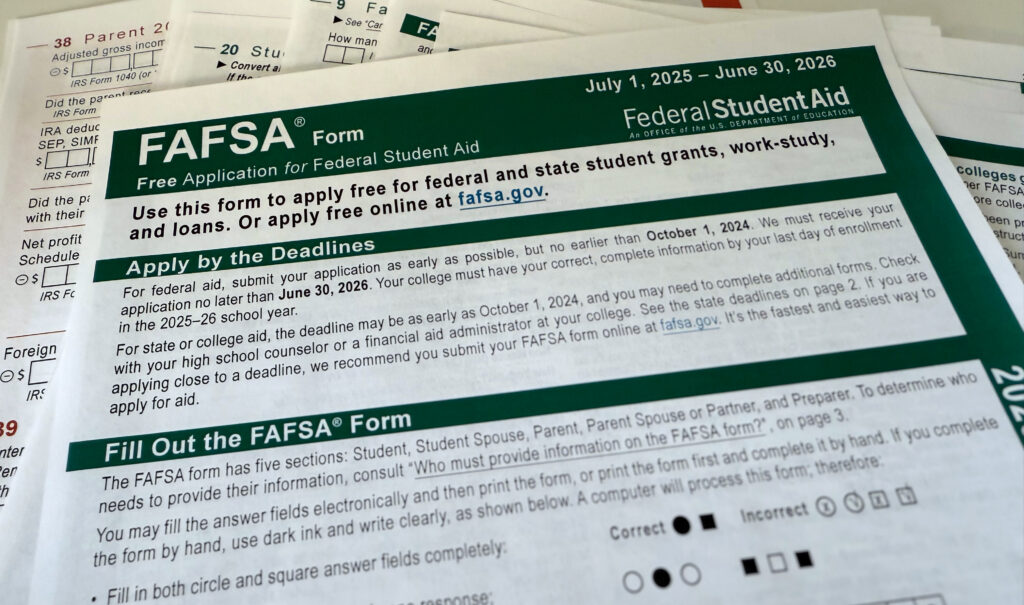
For instance, incorporating verification steps directly into the Free Application for Federal Student Aid (FAFSA) could streamline the process.
This would allow for identity confirmation to occur early on, before students have invested significant time and effort into their college applications.
Platforms that specialize in secure online identity verification are already being utilized by many educational institutions.
These services can offer a more automated and efficient way to confirm student identities, potentially reducing the need for manual intervention and minimizing delays.
The key is to find solutions that are both secure and seamlessly integrated into the student experience.
Streamlining Processes for Legitimate Students
For students who are genuinely pursuing their education, the goal is to make the financial aid process as straightforward as possible.
This involves:
- Clear Communication: Providing students with clear, concise, and easily accessible information about all required documentation and verification steps.
- Dedicated Support: Offering dedicated financial aid advisors and support staff who can assist students with any questions or challenges they encounter.
- Flexible Options: Ensuring that verification processes offer flexibility, accommodating students with varying work schedules, geographical locations, and technological capabilities.
- Early Intervention: Identifying and addressing potential issues early in the application process to prevent last-minute complications.
By focusing on these aspects, colleges can help ensure that legitimate students feel supported and empowered throughout their financial aid journey.
The Role of the Educational Community
The fight against financial aid fraud is a collective responsibility that involves federal agencies, educational institutions, and students themselves.A strong and collaborative community is essential for developing and implementing effective solutions.
Collaboration Between Institutions and Federal Bodies
Open communication and collaboration between colleges and federal agencies are paramount.
Institutions on the ground have invaluable insights into the practical challenges and potential pitfalls of proposed policies.
By actively engaging with federal bodies, colleges can help shape policies that are both effective in combating fraud and sensitive to the needs of students.
This partnership ensures that the measures implemented are realistic and sustainable for the entire educational ecosystem.
Empowering Students with Knowledge
Students play a vital role in safeguarding the integrity of the financial aid system.
Educating students about the risks of financial aid fraud and the importance of protecting their personal information is crucial.
When students are aware of common scam tactics and understand the verification processes, they are better equipped to avoid becoming unwitting participants in fraudulent schemes or falling victim to them.
Furthermore, fostering a sense of community responsibility among students can encourage them to report suspicious activities.
When students feel empowered and informed, they become active participants in maintaining a fair and equitable system for everyone.
This shared commitment strengthens the entire educational community.
Conclusion
The ongoing efforts to combat financial aid fraud represent a critical juncture for higher education.While the implementation of new federal measures aims to secure vital resources, the potential impact on student enrollment remains a significant concern for colleges.
The key to success lies in a balanced approach that prioritizes robust fraud prevention without creating undue barriers for legitimate students.
By fostering collaboration, embracing technological solutions, and providing comprehensive support, the educational community can work together to ensure that financial aid continues to be a powerful engine for opportunity, enabling all deserving students to achieve their academic aspirations.
The commitment to safeguarding these funds while upholding accessibility is a testament to the enduring value that colleges place on empowering their students.







 Explore AI Teaching Tools
Comments (0)
Please login to comment
No comments yet
Be the first to comment on this article