
Global Tensions Ripple Through Digital Classrooms: How Geopolitical Conflict Threatens Student Access to AI Learning Tools
The echoes of distant conflicts are no longer confined to news headlines; they are beginning to resonate in the quiet hum of student study sessions. While the immediate devastation of war may be geographically removed, its tendrils are reaching into the digital infrastructure that underpins modern education, potentially disrupting the very tools students rely on for learning.
The Unseen Battlefield: Data Centres Under Threat
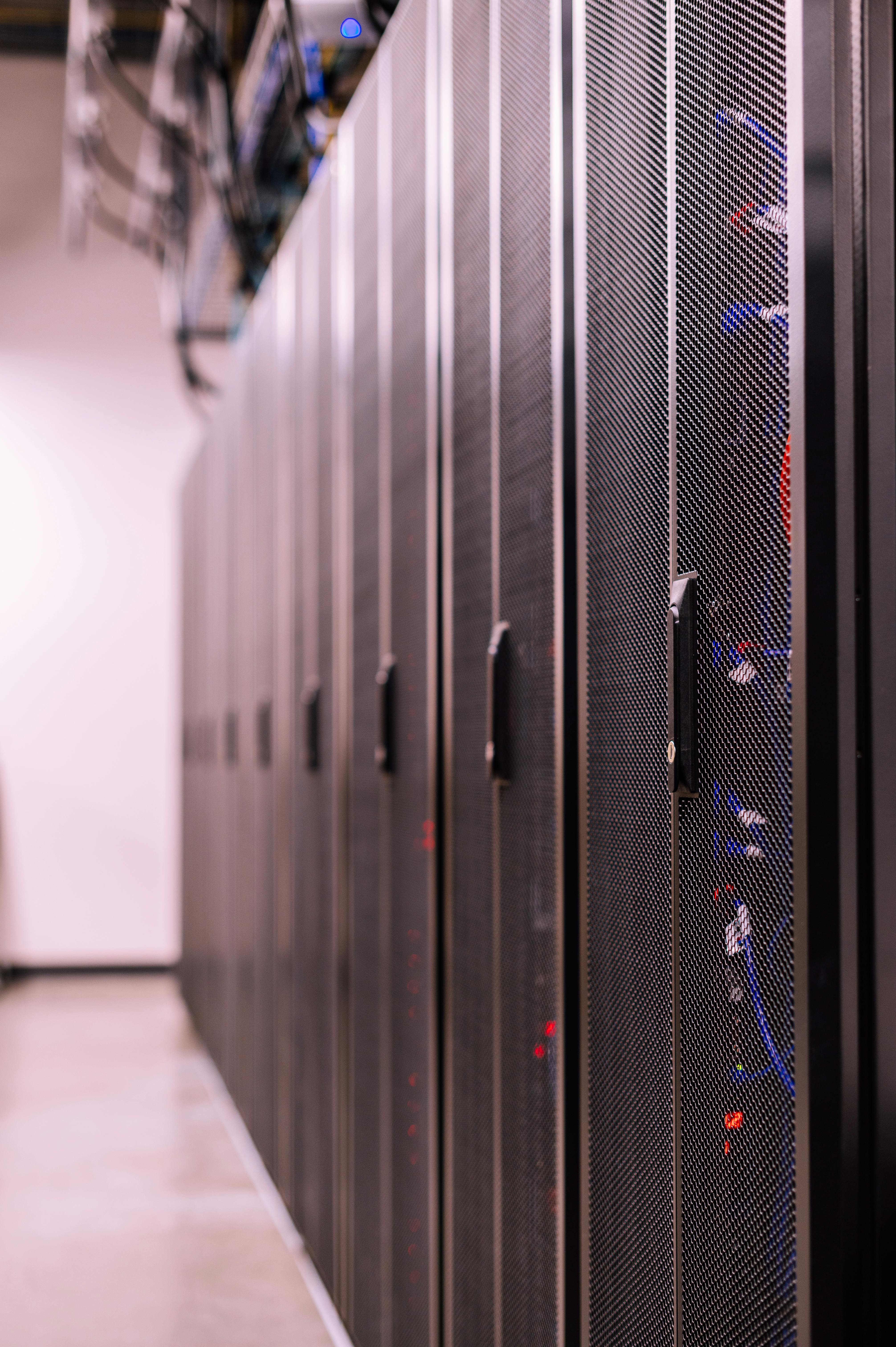
The sophisticated artificial intelligence platforms that have become indispensable for countless students, from essay drafting to complex problem-solving, are not powered by magic. They run on immense computational power housed in vast, specialized facilities known as data centres.
These colossal structures, packed with high-performance processors, are the engine rooms of AI. They perform the billions of calculations required to train AI models and generate the instant responses students have come to expect. This processing power is far beyond what any individual laptop or smartphone can provide.
Recent reports indicate that these critical hubs of digital activity are not immune to the escalating geopolitical tensions. Strikes targeting data centres in key regions, such as the Middle East, have already demonstrated the tangible impact of such attacks.
The destruction or disruption of a data centre can trigger immediate and widespread outages. Services ranging from cloud applications and websites to essential enterprise systems can be rendered inaccessible, affecting millions of users.
In the aftermath of specific incidents, significant disruptions were observed, impacting everyday conveniences like mobile payment systems, food delivery apps, and banking services. The physical damage to these facilities can be extensive, leading to power failures and requiring extensive repair work, including fire suppression efforts that can cause further water damage.
When the AI Goes Dark: Implications for Students
The pervasiveness of AI in contemporary life is undeniable, with billions of users worldwide engaging with these technologies daily. In many technologically advanced nations, a significant majority of the working-age population regularly utilizes AI tools.
However, the fundamental dependency of AI services on robust data centre infrastructure presents a vulnerability. Without these centres functioning optimally, the ability to train AI models and generate responses is severely compromised. The instant access to information and assistance that students have grown accustomed to could become a relic of the past.
For students, the implications of data centre disruptions are multifaceted. Many depend on AI for a wide array of academic tasks, from generating initial ideas for essays to debugging code and understanding complex scientific concepts. As data centres face potential threats, access to these vital AI tools could become unreliable or significantly slower.
In a worst-case scenario, prolonged shutdowns could lead to the complete unavailability of AI services, not just in one localized area but potentially across entire regions or even globally. Even temporary outages can carry the risk of permanent data loss, meaning valuable conversation histories and customized AI prompts could be irretrievably erased.
Beyond AI, a broader spectrum of educational resources relies on centralized data centres. Cloud storage for coursework, digital libraries containing research materials, and even platforms hosting live virtual classes are all susceptible to disruptions if their underlying infrastructure is compromised.
This emerging reality suggests a critical need for students to re-evaluate their reliance on digital tools. Proactive preparation for potential AI blackouts is becoming an essential component of academic resilience.
Building Resilience in the Digital Age
The potential for widespread AI outages necessitates a shift towards greater self-reliance and diversified learning strategies. Students may need to adopt a more cautious approach, ensuring they have offline access to essential materials and exploring a variety of learning platforms.
This period of uncertainty serves as a crucial wake-up call for those who have become overly dependent on AI for their daily academic tasks. The ability to navigate educational challenges without constant AI assistance is a skill that is rapidly gaining importance.
Navigating the AI Disconnect: Strategies for Continuity
The prospect of AI tools like ChatGPT and Gemini becoming unavailable might seem daunting, but it is important to remember that education has thrived for centuries without them. Students can still achieve academic success by embracing alternative methods and proactive planning.
Embracing Offline AI Capabilities
For those seeking to maintain some level of AI assistance even when traditional cloud-based services are down, running AI models locally on your own hardware is a viable solution. Specialized software allows you to download and operate certain AI tools directly on your laptop.
This approach ensures that you can still access AI-powered "help" for tasks such as writing, coding, or research, even if the large-scale data centres are offline. It provides a crucial layer of redundancy for your learning process.
The Enduring Power of Physical Resources
In an era of digital dependency, the humble thumb drive and the traditional library card are regaining their significance. Students are encouraged to save offline copies of essential textbooks, research papers, and core study materials onto physical storage devices.
Ensuring your digital library is accessible without an internet connection is a fundamental step in safeguarding your academic resources. This strategy guarantees that your learning materials remain available regardless of network stability.
Becoming the AI: Cultivating Deeper Understanding
While AI can provide answers, its true value for students lies in its ability to explain the underlying principles and "why" behind assignments. By using AI to deepen your comprehension, you equip yourself with the knowledge to complete tasks independently, even if the AI itself disappears.
Developing a robust understanding of the subject matter ensures that you possess the critical thinking and problem-solving skills necessary to succeed, irrespective of the tools available.
Diversifying Your AI Toolkit
Reliance on a single AI platform, such as ChatGPT or Gemini, creates a single point of failure. Students are advised to explore and become proficient with a range of generative AI tools, including platforms like Claude, Deepseek, or Perplexity.
By mastering multiple AI providers, you ensure that if one service experiences issues or becomes inaccessible, you have alternative options readily available to continue your work without significant interruption.
The Strategic Role of AI in Modern Conflict
The targeting of data centres is not arbitrary; it reflects the increasing integration of artificial intelligence into military strategies. Modern conflicts are accelerating the development and deployment of AI across various domains, from battlefield operations to intelligence gathering.
AI is instrumental in real-time data analysis, processing satellite imagery, and enabling autonomous drone systems and sophisticated cyber defense mechanisms. Companies specializing in advanced military technologies are at the forefront of this evolution.
Furthermore, governmental defense departments are actively incorporating large language models into their enterprise AI platforms to enhance operational speed, improve decision-making processes, and boost productivity for military personnel.
Simultaneously, an information war is being waged online, where AI-generated content can be used to disseminate disinformation at an unprecedented scale. This underscores the critical importance for individuals, including students, to cultivate the ability to critically evaluate, fact-check, and rigorously research all information they consume.







 Explore AI Teaching Tools
Comments (0)
Please login to comment
No comments yet
Be the first to comment on this article