
Fruit Knife Fiasco: How a 10-Year-Old's Lunch Routine Sparked a Crisis in Texas Disciplinary Schools
A seemingly innocuous act – slicing fruit for lunch – nearly derailed a fifth-grader's entire academic year in Texas, highlighting a stark reality within the state's disciplinary alternative education programs (DAEPs). This incident, involving Juan Lozada's grandson, underscores a system that some argue is increasingly punitive, even for the youngest students.
The Unforeseen Consequences of a Child-Friendly Knife
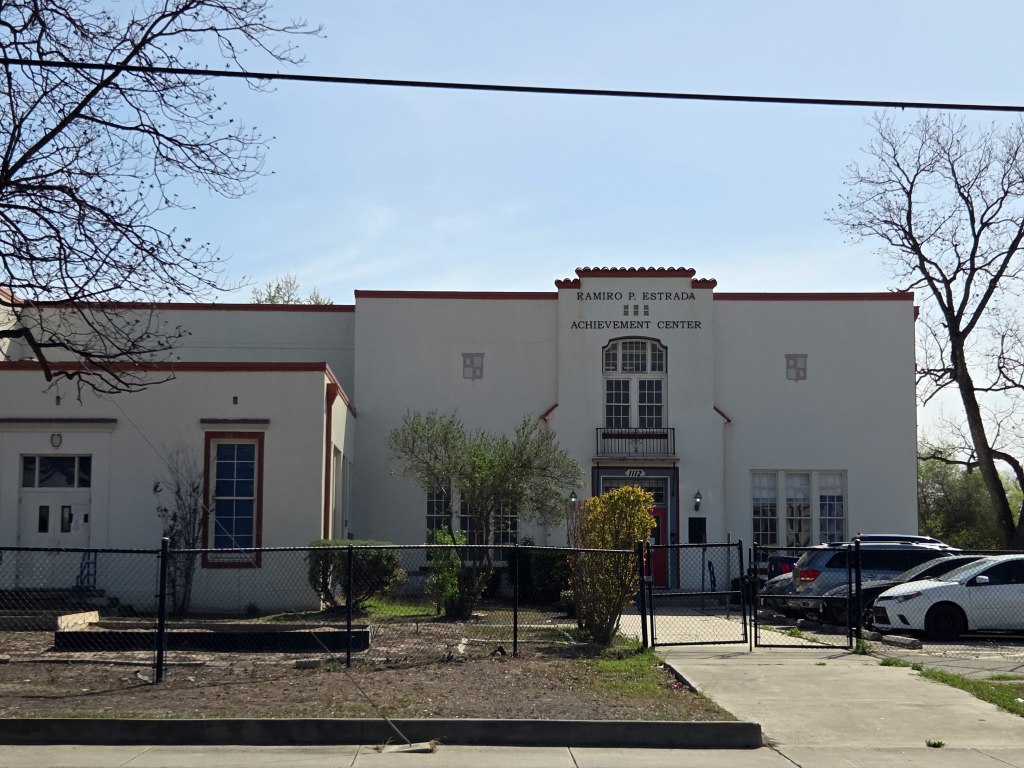
In September 2025, a 10-year-old student at a San Antonio dual language elementary school brought a child-friendly knife, marketed for ages three and up, to school. His intention was simple: to cut fruit for his lunch. Instead, this act led to a referral to a DAEP, a disciplinary school designed for students who commit more serious infractions.
Juan Lozada, a lawyer, found himself advocating for his grandson, who was facing a 25-day suspension in the alternative program. Lozada was among the first individuals interviewed for an in-depth look at Texas's DAEP system, a network of schools established in the mid-1990s to address significant student misconduct.
A System Under Scrutiny: The Rise of DAEPs
The creation of DAEPs was intended as a response to serious student offenses, but their application has broadened considerably over the years. Today, more than 100,000 students annually are assigned to these programs, sometimes for violations as minor as dress code breaches or using profanity.
This reliance on alternative schools for discipline is a distinctive feature of the Texas education landscape. For veteran education reporters, the sheer scale of DAEP usage in Texas stands out, often leading to students being separated from their peers for extended periods, sometimes weeks or even months.
The stark reality of these programs became even more apparent through anecdotal evidence. Stories emerged of students attending DAEPs in northwest Texas, where some were reportedly made to wear jumpsuits, prompting a deeper investigation into the system's practices.
When "Child-Friendly" Becomes a Violation
Lozada's experience with his grandson's DAEP referral was eye-opening. He attended the placement hearing and was struck by its perceived lack of fairness. He described the process as far from a genuine hearing, suggesting it was never truly designed as one.
“When you don’t have that, there are no guardrails,” Lozada stated, emphasizing the absence of checks and balances in the system. This led him to file a lawsuit against the school district, challenging the DAEP placement.
During the legal arguments, the San Antonio school district's counsel contended that district courts lacked the jurisdiction to review DAEP placements. A district spokesperson clarified that the school prohibits all knives on campus and that officials adhered to the student code of conduct.
The Family's Fight Against the System
Following his initial conversations with Lozada, the investigation connected with numerous other families. Many parents, lacking Lozada's legal expertise, shared similar anxieties about their children being sent to DAEPs. Others expressed concerns that their teenagers were negatively impacted by their time in these alternative schools.
A consistent pattern emerged: families often face significant hurdles throughout the DAEP placement process. Schools possess considerable authority in deciding when to assign students to these programs, and the avenues for appeal are often limited or nonexistent.
The DAEP environments themselves are frequently described as rigid and lacking in substantive academic engagement. Parents and advocates frequently report that minimal learning occurs within these settings.
A Rare Reversal, But Lasting Scars
Lozada successfully obtained a temporary injunction against his grandson's DAEP placement and pursued the district's internal appeals process. During this period, the family withdrew their grandson from his regular public school.
In a rare turn of events, the San Antonio Independent School District Board of Trustees overturned the initial DAEP placement in May. Experts indicated that such reversals are uncommon, highlighting the difficulty families face in challenging these decisions.
Despite the eventual overturned placement, Lozada believes the experience has left a lasting impact on his grandson. The child now struggles with social interactions and harbors anxieties about how his peers perceive him, a stark reminder of the potential damage caused by even a brief encounter with the disciplinary school system.






 Explore AI Teaching Tools
Comments (0)
Please login to comment
No comments yet
Be the first to comment on this article