
Beyond Textbooks: How One Network is Forging Deeper Student Learning Through Practical Measures and Strategic Planning
In the quest to elevate student achievement, a quiet revolution is underway in the heart of California's Kern County. While many educational institutions grapple with the complexities of implementing new curricula, one charter school network is demonstrating a powerful model for fostering genuine understanding and sustained growth. This approach moves beyond simply adopting new materials, focusing instead on the granular, practical steps that transform pedagogical intentions into tangible student success.
Unpacking the 'Grow' Model: A Blueprint for Curriculum Mastery
The network, known for its commitment to serving students in historically underserved communities, is actively participating in a specialized professional learning initiative designed to embed high-quality mathematics instruction. This initiative, launched in the fall of 2025, emphasizes not just the "what" of curriculum but the crucial "how" of its effective integration into daily teaching and learning.
At the core of this effort are two schools, Grow Academy Arvin and Grow Academy Shafter. Their journey is a testament to the power of a systematic, data-informed approach to educational change. The network's leadership, spearheaded by Tatiana Mirzaian, Director of Learning and Innovation, has identified three key pillars that are driving their success: the strategic deployment of practical measures, the development of sophisticated planning tools, and the indispensable role of dedicated leadership.
The Power of Practical Measures: Seeing Learning in Action
A cornerstone of effective professional learning networks is the deliberate selection and application of practical measures. These are not the high-stakes, summative assessments that often define school accountability, but rather formative tools designed to offer immediate insights into the efficacy of teaching strategies and the trajectory of student learning. They are the compass that guides educators, helping them discern whether intended changes are truly yielding improvements.
Practical measures serve a dual purpose: they address process-oriented challenges, such as the frequency of collaborative planning or the time dedicated to specific instructional activities, and they provide crucial feedback on performance outcomes at both the educator and student levels. By integrating these measures into a continuous improvement cycle, schools can build confidence that their efforts are indeed paving the way for the desired long-term gains.
Within the Grow network, educators are actively leveraging these practical measures to refine their own teaching practices and to foster deeper student engagement with the mathematics curriculum. These measures facilitate individual reflection, inform one-on-one coaching sessions, and enrich structured peer planning time, creating a collaborative environment where data-driven insights fuel shared learning and strategic adjustments.
For instance, in their implementation of a leading mathematics program, Grow schools are meticulously tracking classroom timing to ensure fidelity to the program's lesson structures. Simultaneously, they are gathering diverse sources of formative student outcome data. This data is then systematically analyzed, often through a Plan-Do-Study-Act (PDSA) framework, under Mirzaian's guidance.
A compelling example emerged from a recent 6th-grade planning meeting. Teachers convened to dissect "quick check" student results, identifying common areas of student struggle. This collaborative effort led to a shared exploration of promising practices and the articulation of concrete next steps for upcoming lessons. The teachers engaged in robust discussions, debating mathematical content, learning sequences, and instructional nuances, all informed by the real-time performance of their students.
Tools for Efficient and Effective Planning: Building a Roadmap to Success
The successful implementation of any high-quality curriculum hinges on robust and efficient planning. The Grow network has invested in developing and utilizing common tools that streamline this process, enabling sophisticated planning and maximizing the impact of collaborative meetings. This strategic investment ensures that educators are not just reacting to challenges but are proactively building a comprehensive roadmap for student learning.
The network's approach to curriculum planning is comprehensive, with the overall architecture and annual calendars for their mathematics program mapped out well in advance. These plans are developed using Grow-specific tools, allowing for necessary adaptations to be discussed and integrated during regular, focused planning sessions. This foresight ensures that the curriculum's progression is deliberate and aligned with student needs.
A significant asset in their planning arsenal is an in-house student data tracking system. This sophisticated platform provides educators and administrators with unparalleled access to student-level data, serving as a critical resource for improvement planning. The system has evolved considerably from its initial iteration, transforming from a basic snapshot of performance into a multi-dimensional tool that delivers precise, actionable insights tailored to educators' evolving needs.
This advanced tool meticulously tracks performance trends on individual learning standards over time, empowering educators to monitor student growth and identify emerging patterns. It also facilitates targeted analysis of specific student groups, including English Learners and Students with Disabilities, thereby supporting the development of more equitable and responsive instructional strategies. Furthermore, the system enables meaningful comparisons across various assessment types, bridging the gap between formative checks, such as weekly quizzes, and summative measures like standardized interim assessments.
This evolution has transformed the data tracking tool into a comprehensive and responsive system. It mirrors the increasing sophistication of teacher analysis and significantly strengthens data-driven, student-centered decision-making, ensuring that every instructional choice is informed by a deep understanding of student progress.
Leadership That Inspires and Sustains Growth
Shifting the cognitive load from the teacher to the student, fostering increased dialogue and inquiry within high-quality curricula, presents a common hurdle for many schools. The Grow network, however, has made remarkable progress in this area, a feat directly attributable to strong leadership that balances the push for content mastery with a commitment to continuous process improvement. This requires astute management and the cultivation of robust relationships across the educational ecosystem.
Educational institutions are increasingly recognizing that relying solely on the exceptional efforts of individual teachers is insufficient to drive the systemic changes necessary to unlock the full benefits of high-quality curricula for all students. At Grow, this understanding is operationalized through leadership that deeply integrates mathematics expertise and a commitment to curriculum-based professional learning.
Mirzaian's philosophy is clear: "You gotta be in the rooms." This mantra underscores the importance of active presence and engagement. Whether collaborating with teachers during planning sessions or observing instruction to provide constructive feedback, understanding how students are interacting with the material is paramount. This belief is put into practice through consistent visibility.
Team members regularly participate in teacher planning sessions, and bi-weekly walkthroughs involving school and district leadership provide structured opportunities to calibrate expectations, identify overarching trends, and pinpoint areas where targeted support is needed to strengthen both teaching and learning. This approach reinforces the idea that effective management extends beyond mere structural frameworks; it involves a disciplined, shared understanding of the student experience.
Historically, peer observations have also served as a powerful lever for instructional improvement. As the academic year draws to a close and the network looks ahead to the fall, Grow is intentionally re-integrating these practices. This strategic move aims to deepen collective ownership of instructional quality and foster greater coherence across classrooms, ensuring that the pursuit of excellence is a shared endeavor.
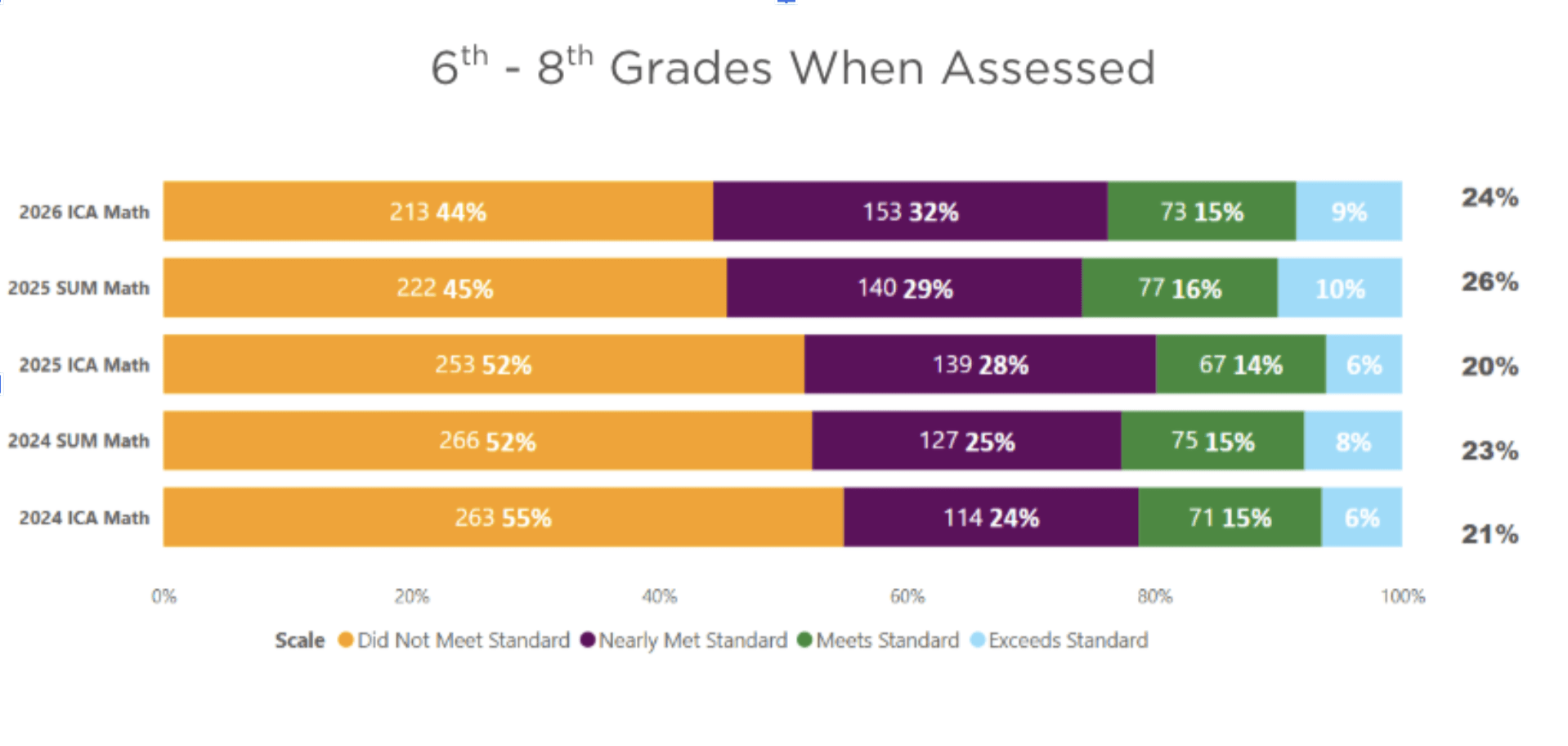
While summative data already indicates positive progress on a cohort basis, the Grow team remains dedicated to building upon these encouraging trends, continually refining their strategies to foster even greater student success. Their work offers a compelling model for how intentional planning, practical measurement, and committed leadership can cultivate a thriving learning environment where every student has the opportunity to grow.





 Explore AI Teaching Tools
Comments (0)
Please login to comment
No comments yet
Be the first to comment on this article