
Unveiling the Power of Nature: Transforming Learning Environments from the Ceiling Up
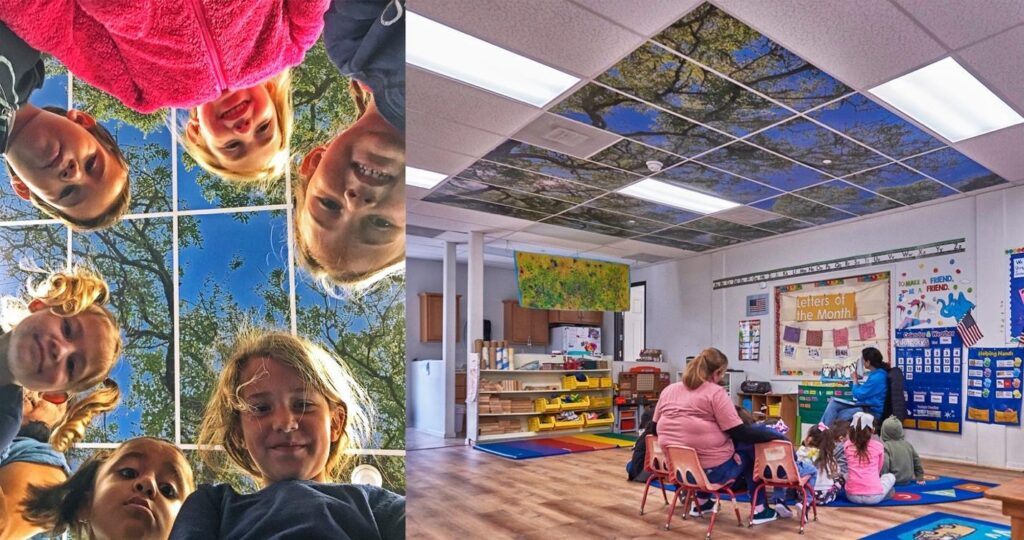
Imagine stepping into a learning space that instantly evokes a sense of peace and focus.Picture a classroom where the ordinary ceiling transforms into a vibrant forest canopy, sunlight dappling through leaves, and the entire atmosphere radiating calm.
This isn't a distant dream; it's a tangible reality being embraced by forward-thinking schools seeking to harness the profound restorative benefits of nature within their walls.
For students and teachers alike, this integration of natural elements offers a powerful antidote to the stresses of modern life, fostering a more conducive environment for learning and well-being.
The Science of Serenity: Why Nature Matters Indoors
The concept of bringing nature into built environments, known as biophilic design, is far from a fleeting trend.It's a scientifically validated approach rooted in decades of research, particularly within cognitive and environmental psychology.
At its core lies Attention Restoration Theory (ART), which empirically demonstrates how exposure to natural imagery can significantly enhance our ability to focus, reduce stress, and improve overall engagement.
ART posits that our directed attention, the kind we use for demanding tasks, becomes fatigued.
Natural environments, with their soft fascinations, allow this directed attention to rest and recover, replenishing our cognitive resources.
Recent studies, such as the "3-30-300 Rule," further underscore the importance of nature for mental health.
This guideline suggests that optimal well-being is linked to having a view of at least three trees from one's home, experiencing 30% greenery in one's neighborhood, and living within 300 meters of a park.
Unfortunately, many schools, especially those in underserved communities, often lack these vital natural connections.
These schools are frequently characterized by vast expanses of asphalt and limited access to green spaces, both within the school grounds and in the surrounding neighborhoods.
While efforts to "green up" schoolyards are commendable, students still spend a significant majority of their day indoors.
This is particularly true for the millions of students in portable classrooms or older buildings with limited or no windows, and consequently, minimal access to natural light and views.
The absence of these natural elements can inadvertently contribute to elevated stress levels and diminished concentration among students.
ART highlights that even the passive observation of natural scenes, such as images of trees, can engage the brain's involuntary attention systems.
This engagement helps students to restore their cognitive capacity, alleviate stress, and maintain a higher level of focus and engagement throughout the school day.
Transforming the Classroom Ceiling: A Novel Approach
One innovative initiative is bringing the restorative power of nature directly into the classroom through high-resolution murals designed specifically for learning spaces.These murals, often depicting expansive forest canopies or serene natural landscapes, are strategically installed on classroom ceilings.
The impact is immediate and profound.
The results observed in schools implementing these "nature ceilings" are consistently powerful: * Enhanced Student Calmness: Students report feeling more relaxed and peaceful upon entering the classroom. * Improved Focus and Engagement: Teachers notice a marked increase in students' ability to concentrate on lessons and participate actively. * Reduced Behavioral Disruptions: In environments where behavioral challenges are a concern, educators observe fewer disruptions and smoother transitions. * Greater Sense of Safety and Comfort: The natural imagery creates a more welcoming and secure atmosphere, helping students feel more at ease. * Increased Positive Sentiment Towards School: Students express greater enthusiasm for being in school and describe the classroom as a more enjoyable place to be.
Teachers often describe the effect as creating a "peaceful tone" that sets the stage for learning from the moment students arrive.
For students in windowless environments, these ceiling installations provide a crucial connection to the outdoors, offering a sense of escape and tranquility.
The impact extends beyond individual students, fostering a more harmonious classroom culture where peer interactions can improve.
Beyond Aesthetics: The Deeper Impact
The integration of nature-based visuals in the classroom is more than just an aesthetic upgrade; it represents a fundamental shift in how we design learning environments to support the holistic needs of students.The science behind biophilic design explains why this works: * Physiological Benefits: Exposure to natural elements has been shown to reduce cortisol levels, the body's primary stress hormone, leading to lower overall stress. * Cognitive Enhancement: Improved sustained attention and increased cognitive flexibility are frequently observed, allowing students to better process information and think creatively. * Emotional Well-being: Natural environments can foster a greater sense of safety, belonging, and improved mood, contributing to better emotional regulation.
For teachers, this translates into a more manageable classroom, with fewer behavioral issues and more dedicated instructional time.
For students, it means entering a space that actively supports their nervous systems rather than overstimulating them.
The design of these nature-based installations is often the result of extensive testing and refinement, incorporating feedback from educators and students to ensure they are effective across various age groups, budgets, and school facilities.
The goal is to provide a scalable, low-maintenance solution that transforms a room without the need for disruptive construction or prohibitive costs.
Actionable Insights for Educators and Schools
While large-scale ceiling murals are a powerful example, the principles of biophilic design can be applied in numerous ways to bring nature's benefits into the classroom.Even small changes can create significant positive ripples in the learning environment.
Here are practical tips for teachers and schools to integrate nature-inspired elements:
For Teachers:
* Incorporate Natural Imagery: * Display high-quality photographs or prints of natural landscapes, forests, or plants on walls. * Use screensavers or digital displays featuring calming nature scenes. * Consider small, framed images of nature placed strategically around the classroom. * Bring in Living Plants: * Introduce low-maintenance indoor plants that thrive in classroom conditions. * Involve students in plant care, fostering responsibility and a connection to living things. * Choose plants with interesting textures, colors, and shapes. * Utilize Natural Materials: * Incorporate elements like wood, stone, or natural fibers in classroom decor or furniture where possible. * Use natural-colored materials for art projects or displays. * Simulate Natural Light: * Maximize the use of natural light by keeping windows clear and using light-colored blinds. * Consider full-spectrum lighting that mimics natural daylight. * Incorporate Fractal Patterns: * The human brain is wired to process fractal patterns found in nature (e.g., branching trees, coastlines).Look for art, fabrics, or even student work that incorporates these organic, repeating patterns.
For Schools and Administrators:
* **Prioritize Views and Natural Light:** * When designing new buildings or renovating existing spaces, prioritize ample windows and access to natural light. * Ensure that classroom layouts maximize views of any available green spaces or natural elements. * **Invest in Biophilic Design Elements:** * Explore options for large-scale nature murals, particularly in areas with limited natural light or views. * Consider incorporating indoor living walls or small, accessible garden spaces within the school. * Integrate natural materials and patterns into the overall architectural design of the school. * **Create Outdoor Learning Spaces:** * Develop accessible and engaging outdoor learning areas, such as school gardens, nature trails, or simple seating areas in green spaces. * Encourage teachers to utilize these spaces for lessons and activities. * **Support Teacher Initiatives:** * Provide resources and support for teachers who wish to bring plants or natural decor into their classrooms. * Offer professional development opportunities on biophilic design and its benefits for student well-being. * **Community Partnerships:** * Collaborate with local organizations or parent-teacher groups to fund and implement greening initiatives within the school.The overarching goal is to create learning environments that are not only aesthetically pleasing but also scientifically aligned with human needs for connection to nature.
This approach recognizes that addressing the emotional and cognitive needs of students often begins with reimagining the very spaces where they spend their days.
Conclusion
The integration of nature into educational settings, whether through grand gestures like ceiling murals or simpler additions like indoor plants, offers a powerful and accessible pathway to enhancing the well-being and academic performance of students.By understanding the science behind biophilic design and Attention Restoration Theory, educators and schools can implement practical strategies to create calmer, more focused, and more engaging learning environments.
The benefits extend beyond aesthetics, directly impacting students' physiological and psychological states, leading to reduced stress, improved attention, and a greater sense of comfort and safety.
Ultimately, bringing nature indoors is a testament to the idea that innovative educational solutions can be found in the most natural and intuitive places, transforming the classroom into a space that nurtures both the mind and the spirit.







 Explore AI Teaching Tools
Comments (0)
Please login to comment
No comments yet
Be the first to comment on this article