
Beyond the ABCs: How Singing Unlocks a Child's Reading Potential
In a world increasingly focused on standardized test scores, a simple, joyful activity is emerging as a powerful, yet often overlooked, tool for building foundational literacy skills in young children. It’s not a new curriculum or a high-tech gadget, but the ancient art of singing.
From the familiar cadence of the alphabet song to the soothing embrace of a lullaby, music has always been woven into the fabric of early childhood. This intuitive connection is now being rigorously supported by a growing body of research, revealing a profound link between musical engagement and a child's developing brain, particularly their capacity for reading.
The Melodic Pathway to Literacy
The science is becoming increasingly clear: engaging with music, especially through singing, actively cultivates the very skills essential for successful reading. Studies consistently show that when children sing, they naturally develop a stronger grasp of vocabulary and a keener ability to discern the individual sounds within words – a critical component known as phonological awareness.
This auditory processing is the bedrock upon which language and literacy are built. By encouraging children to listen to, identify, and manipulate sounds through song, we are essentially preparing their brains for the complex task of decoding written text.
More Than Just Sound: The Holistic Benefits of Music
The advantages of music extend far beyond its direct impact on reading. Research indicates that listening to music can significantly reduce anxiety in children, fostering a sense of calm and security. This emotional regulation is vital for learning, creating an environment where young minds are more receptive to new information.
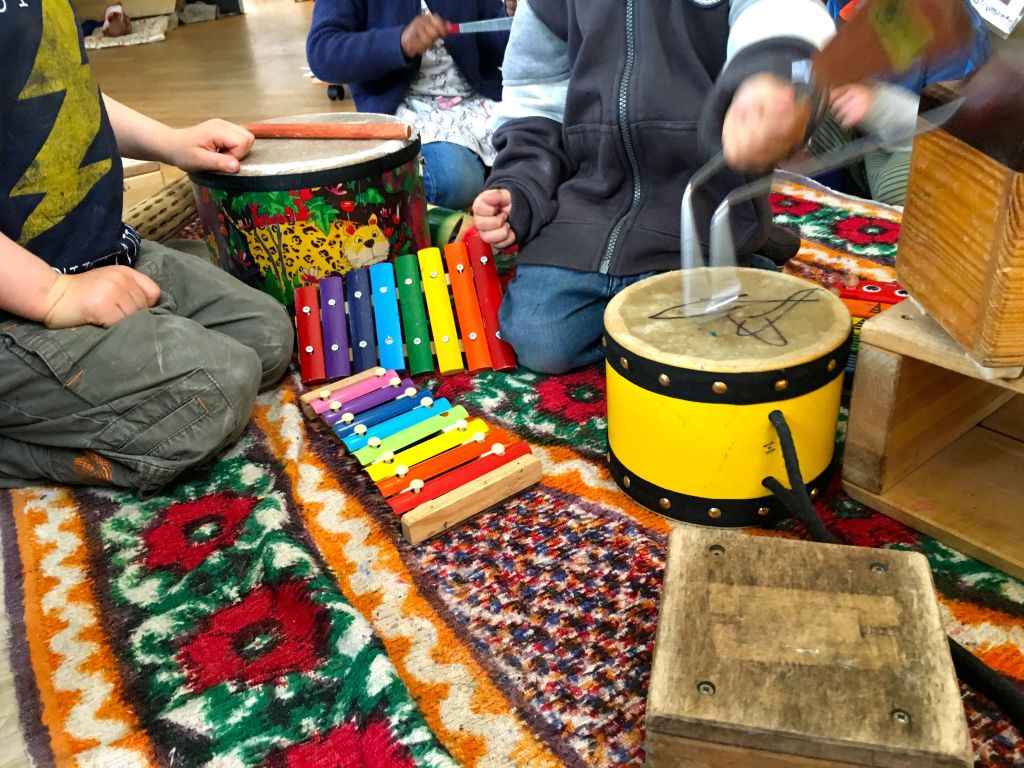
Furthermore, shared musical experiences, whether singing a song together or playing a simple instrument, strengthen the bond between caregivers and children. These moments of connection are invaluable, building trust and emotional resilience.
The act of playing instruments, even at an early age, has also been shown to enhance fine motor control, a skill crucial for holding a pencil and forming letters. It also bolsters executive function, the set of mental skills that include working memory, flexible thinking, and self-control – all essential for academic success.
Bridging the Access Gap: Music for Every Child
Despite the clear benefits, access to robust music education in early childhood settings remains uneven. Often, the integration of arts like music, visual arts, and dance is sidelined in favor of subjects deemed more academically critical, particularly in the wake of recent educational disruptions.
For many families, the opportunity for musical enrichment in the earliest years hinges on the resources and capacity of parents and caregivers. While singing is a universally accessible activity, a lack of confidence in their own musical abilities can prevent some adults from fully engaging with their children in this way.
The cost of formal music classes can also be a barrier, leaving many children without structured musical experiences. This disparity highlights a critical need for initiatives that can bring the power of music to all children, regardless of their socioeconomic background.
Innovative Approaches to Musical Learning
Across the country, various organizations are working to democratize access to music education for young children. These efforts often involve partnerships with existing community hubs, bringing music directly into the spaces where families and young children already gather.
In some communities, music schools are collaborating with health clinics to offer free parent-child music classes, recognizing the holistic well-being that music can foster. Other foundations are embedding free music programs within local early childhood education centers, with a particular focus on serving underserved populations.
Even within formal educational settings, innovative programs are emerging. One notable intervention, implemented across several elementary schools, utilized interactive technology that encouraged children to sing. Over a defined period, children participating in this program demonstrated significant gains in their literacy development.
The Power of a Song: Cultivating Future Readers
The philosophy behind these programs is simple yet profound: singing is a natural precursor to speech, and by encouraging more singing, educators and parents can actively nurture the developing brains of young children, preparing them for the journey of reading.
These initiatives are shifting their focus towards empowering early childhood educators and parents with the knowledge and tools to integrate music and singing into daily routines. By teaching basic musical skills like rhythm and pitch, alongside the inherent benefits of vocalization, these programs aim to build a strong foundation for early literacy.
The ultimate goal is to close achievement gaps by ensuring that every child has the opportunity to develop crucial auditory processing skills through the joy of music. This foundational work, starting in the earliest years, is key to unlocking a child's full potential for language and reading success.






 Explore AI Teaching Tools
Comments (0)
Please login to comment
No comments yet
Be the first to comment on this article