
Malaysia's Balancing Act: Anwar Charts a Course for Global Engagement, Not Global Allegiance
In a world increasingly defined by geopolitical friction, Malaysia is forging a distinct path, one that eschews rigid alliances for strategic engagement. Prime Minister Datuk Seri Anwar Ibrahim recently articulated this vision, asserting that the nation's commitment to neutrality and open dialogue with all major global players is not just a diplomatic stance, but a powerful engine for economic growth and investor confidence.
The Power of Neutrality in a Divided World
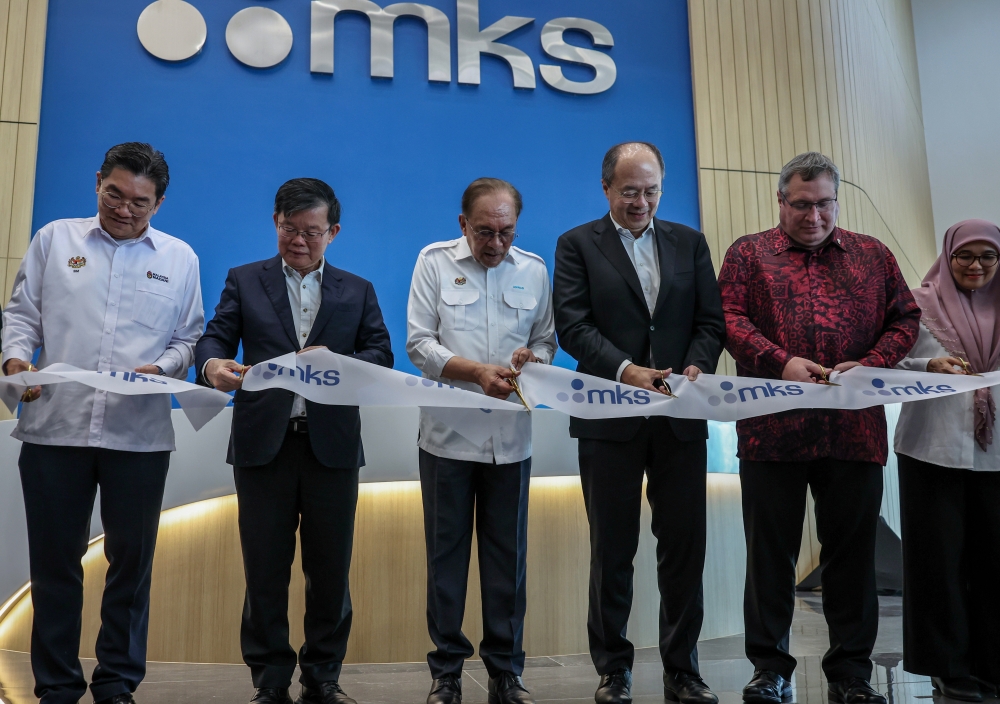
The Prime Minister's remarks, delivered at the inauguration of a significant new industrial facility, underscored a core tenet of Malaysia's foreign policy: the need to maintain independence while fostering robust economic ties across the spectrum. This approach, he explained, is crucial for an emerging economy seeking to attract and retain international investment.
Anwar highlighted that while traditional partners remain vital, the growing influence of nations like China and India, alongside established economic powerhouses such as Germany, contributes to a more resilient and diversified economic landscape for Malaysia. This strategic diversification is key to navigating global economic uncertainties.
The expansion of operations by a prominent international firm at the new facility serves as a tangible testament to this confidence. It signals a belief in Malaysia's industrial infrastructure and the caliber of its professional workforce, directly benefiting from the nation's outward-looking economic strategy.
From Facilitation to Acceleration: Streamlining Investment
Recognizing that investor confidence is paramount, Anwar expressed a keen interest in enhancing governmental efficiency. He actively sought insights from industry leaders on how to expedite the investment process, moving beyond mere facilitation to proactive acceleration.
This proactive stance is designed to ensure that Malaysia remains an attractive destination for businesses looking to expand and innovate. The goal is to create a seamless environment where opportunities can be seized quickly and effectively.
The Prime Minister's emphasis on efficiency reflects a broader understanding of the competitive global market. By streamlining processes, Malaysia aims to solidify its position as a preferred investment hub.
Engaging All Sides: A Diplomatic Tightrope
Anwar pointed to recent diplomatic engagements as evidence of Malaysia's commitment to this inclusive approach. High-level visits, both inbound and outbound, demonstrate the nation's willingness to interact with a wide array of global powers, irrespective of prevailing geopolitical tensions.
This strategy allows Malaysia to maintain its centrality on the world stage, fostering relationships without being drawn into contentious global disputes. The nation positions itself as a reliable partner for all, promoting dialogue and cooperation.
Examples of this engagement include participation in international forums and bilateral discussions that span diverse political and economic ideologies. This broad engagement is a cornerstone of Malaysia's foreign policy.
Economic Opportunities Through Strategic Partnerships
The benefits of this diplomatic flexibility are already materializing. A recent agreement with Turkmenistan, enabling a national energy company to participate in significant gas block developments, exemplifies how this approach unlocks new economic avenues.
Such partnerships are crucial for diversifying Malaysia's energy sector and securing vital resources. They underscore the tangible economic advantages of maintaining open channels with various nations.
These collaborations are not limited to energy; they extend across various sectors, fostering innovation and creating new markets for Malaysian goods and services.
Bridging Academia and Industry for Future Workforce Needs
Looking ahead, Anwar stressed the critical need for enhanced collaboration between educational institutions and industry players, particularly in rapidly evolving fields like semiconductors and advanced technology. This synergy is essential to equip the future workforce with the skills demanded by a dynamic global industry.
He acknowledged that the nation does not possess all the answers, especially in nascent technological domains. Therefore, leveraging external expertise and best practices is a necessity for developing appropriate training and facilities.
The Prime Minister emphasized that while specialization is vital for advanced sectors, the foundation of education must remain comprehensive, instilling core values and a humane perspective. This balanced approach ensures well-rounded individuals capable of contributing meaningfully to society.
By fostering this close relationship between learning and application, Malaysia aims to cultivate a highly skilled and adaptable workforce, ready to meet the challenges and seize the opportunities of the future economic landscape. The government's commitment to working collaboratively with investors and industry leaders will be instrumental in enhancing Malaysia's competitiveness and attracting high-quality, sustainable investments.





 Explore AI Teaching Tools
Comments (0)
Please login to comment
No comments yet
Be the first to comment on this article