
Unlocking Family Stability: How a New Immigration Program Empowers Children and Families
A landmark executive order is poised to transform the lives of countless children, offering a beacon of hope and stability by providing a pathway to legal residency for their parents.This pivotal program promises to significantly enhance children's overall well-being, impacting everything from their financial security and health to their academic focus.
For families navigating the complexities of immigration, this initiative represents a profound commitment to keeping loved ones together and fostering healthy development.
Understanding the New Pathway to Stability for Families
This groundbreaking initiative, announced by the Biden administration, offers a crucial opportunity for undocumented spouses of U.S. citizens to apply for permanent residency without the arduous requirement of returning to their home countries.To qualify, individuals must have resided in the U.S. for a minimum of 10 years and maintain a clean criminal record.
Previously, while some undocumented spouses could pursue permanent residency, the process often necessitated departure from the U.S., potentially leading to lengthy re-entry bans of up to a decade.
The U.S.
Citizenship and Immigration Services is set to begin accepting applications for this vital program in August, marking a significant shift in immigration policy.
Eligibility and Scope of the Program
The Department of Homeland Security estimates that approximately 500,000 spouses of U.S. citizens nationwide will be eligible for this new program.Furthermore, an estimated 50,000 children, specifically stepchildren of U.S. citizens who are part of these eligible families, will also benefit.
In California alone, an estimated 120,000 spouses of U.S. citizens are expected to qualify, based on analyses of recent demographic data.
Many of these eligible individuals are parents, and the ripple effect on their children is expected to be substantial.
Research indicates that a significant percentage of children in California have at least one undocumented parent, and this program directly addresses the stability of those families where a U.S. citizen spouse exists.
The Profound Impact on Children's Well-being
The announcement of this program has been met with immense relief by advocates and families alike.The ability for families to remain together during the permanent residency application process is directly linked to improved child well-being.
This policy acknowledges the fundamental role that parents and caregivers play in a child's healthy development and overall success.
Studies consistently show that the constant fear of a parent or caregiver's deportation can have a detrimental effect on a child's ability to thrive, particularly in educational settings.
Academic and Developmental Benefits
Research indicates that children living with the anxiety of parental deportation are more likely to experience absenteeism from school, repeat grades, and even drop out.This fear can create a pervasive sense of instability that hinders academic progress.
Moreover, undocumented parents may be less inclined to apply for essential public programs, such as early childhood education initiatives, nutritional assistance, or public health insurance, even when their U.S. citizen children are eligible.
This hesitation stems from a fear of drawing attention to their immigration status, inadvertently limiting access to vital resources for their children.
Financial Security and Parental Engagement
When parents gain the stability of work permits and protection from deportation, their ability to secure better employment opportunities dramatically increases.This translates into higher salaries and more stable jobs, allowing parents to be more actively engaged in their children's schooling.
This enhanced parental involvement is a critical factor in a child's academic achievement and overall development.
The improved financial situation also contributes to better mental and physical health outcomes for both parents and children, creating a more nurturing and supportive home environment.
Real-Life Stories: Hope and Transformation
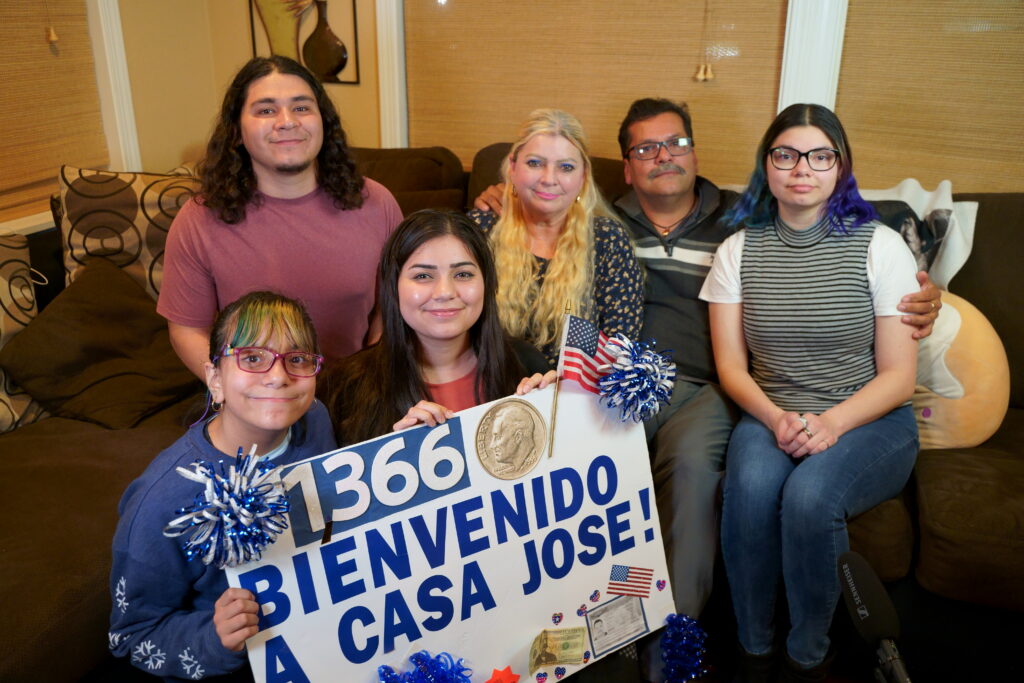
The personal stories emerging from communities highlight the profound emotional and practical impact of this new policy.For individuals like Mirna Cisneros, a resident of Modesto, the announcement brought tears of joy and immense relief.
Having lived in the U.S. for over two decades, she had previously halted her permanent residency application due to the requirement of returning to her home country and facing a potential decade-long ban.
Her three U.S. citizen children have frequently expressed their fear of her deportation, a constant source of anxiety for the entire family.
Breaking Down Barriers to Opportunity
If Mirna is able to obtain permanent residency, it will unlock new possibilities for her family.She will be able to pursue better-paying employment, moving beyond her current home-based cake decorating business.
This increased earning potential will provide greater financial security for her family.
Furthermore, it will grant her children more freedom and flexibility in their future educational pursuits.
Her eldest daughter, who dreams of attending college out of state, had been contemplating sacrificing that aspiration due to her mother's inability to travel freely.
This program offers the potential to remove such limitations, allowing children to pursue their dreams without the shadow of parental deportation.
The DACA Analogy: Proven Benefits
The positive outcomes associated with this new program are echoed in the experiences of families who have benefited from the Deferred Action for Childhood Arrivals (DACA) program.DACA, established in 2012, has allowed hundreds of thousands of individuals brought to the U.S. as children to remain in the country and obtain work permits.
Studies examining the impact of DACA have revealed significant improvements in the well-being of children whose mothers were eligible for the program.
For instance, one study indicated a 50% reduction in diagnoses of adjustment and anxiety disorders among children whose mothers received DACA protections.
This demonstrates a clear correlation between parental stability and improved child mental health.
Navigating Challenges and Future Considerations
While the program offers immense promise, certain concerns remain regarding its implementation and long-term viability.Some experts express apprehension that potential applicants may hesitate to apply due to the upcoming presidential election and the uncertainty surrounding the continuation of such policies under a different administration.
The political landscape surrounding immigration is often volatile, and the prospect of policy reversals can create a climate of fear and distrust.
Political Hurdles and Public Discourse
The program has already faced criticism from some political leaders who view it as a form of "mass amnesty" and a political maneuver.Opponents argue that such policies incentivize illegal immigration and pose a threat to national security.
However, proponents emphasize that individuals qualifying for this program would not be eligible to vote until they achieve citizenship, a process that requires obtaining permanent residency first and then applying for citizenship three years later.
The debate highlights the complex political considerations that often accompany significant immigration reforms.
The Importance of Stability and Predictability
For families, the greatest benefit of any immigration program is the predictability and stability it offers.The ability to plan for the future, invest in education, and build a secure life is paramount.
While the current program provides a much-needed pathway, the ongoing political discourse and potential for legal challenges underscore the importance of sustained, bipartisan support for immigration policies that prioritize family unity and child well-being.
The long-term success of this program will depend on its ability to withstand political scrutiny and provide lasting security for the families it aims to serve.
Conclusion: A Foundation for Brighter Futures
This new executive order represents a significant step forward in supporting immigrant families and, most importantly, their children.By providing a pathway to permanent residency for parents, the program addresses critical issues of family stability, financial security, and mental and physical health.
The positive impacts on children's academic success and overall development are well-documented and underscore the profound connection between parental well-being and a child's ability to thrive.
While political challenges may arise, the core principle of keeping families together and fostering a secure environment for children is a powerful foundation for building brighter futures.
This initiative offers a tangible opportunity for thousands of children to grow up with the stability and support they deserve, allowing them to reach their full potential.





 Explore AI Teaching Tools
Comments (0)
Please login to comment
No comments yet
Be the first to comment on this article