
Rzeszów's Medical Programme: Cultivating Global Doctors in an English-Speaking Environment
Imagine a medical school where you're not just a name on a roster, but an individual whose progress is meticulously nurtured. For many aspiring physicians, this ideal is becoming a reality, particularly for those seeking an English-language education that prioritizes hands-on experience and personalized guidance. This is the landscape emerging at the University of Rzeszów, a dynamic institution in southeastern Poland that is rapidly carving out a reputation for comprehensive medical training.
The city of Rzeszów itself is a testament to growth and vibrancy. Recognized as the European City of Sport for 2026 and lauded as the best city to live in Poland by a prominent business publication, it offers a compelling backdrop for academic pursuits. Within this thriving urban center, the University of Rzeszów's Faculty of Medicine is making significant strides in preparing both domestic and international students for the complexities of modern healthcare.
A Global Approach to Medical Education
The establishment of the Medicine Programme in English in 2018 marked a pivotal moment for the university. This initiative was born out of a clear recognition of the increasing global demand for medical studies conducted in English, aiming to equip future healthcare professionals with the skills and knowledge necessary to thrive in an interconnected world.
This rigorous six-year programme is meticulously designed and delivered by a faculty comprised of experienced physicians and accomplished academics. Their collective focus is firmly rooted in the principles of evidence-based medicine, ensuring that students are trained on the most current and scientifically validated practices. Over the years, the curriculum has undergone deliberate evolution, becoming more structured, better organized, and demonstrably more student-focused.
Students themselves have noted these improvements. A fifth-year Polish student shared that there have been "clear improvements in teaching and clinical training," highlighting a commitment to continuous enhancement of the educational experience. This dedication to refining the programme ensures that graduates are not only academically proficient but also well-prepared for the practical demands of the medical field.
The Power of Personalized Learning
What truly distinguishes the University of Rzeszów's English Medicine Programme is not a single groundbreaking feature, but rather a synergistic combination of elements that foster genuine development. This integrated approach cultivates an environment where students can confidently build the knowledge and self-assurance essential for a career in medicine.
A cornerstone of this philosophy is the deeply personalized approach to education. Faculty members are consistently accessible and approachable, creating an open channel for students to seek clarification, receive tailored guidance, and feel genuinely supported throughout their academic journey. This culture of openness is particularly invaluable during the more challenging phases of the programme.
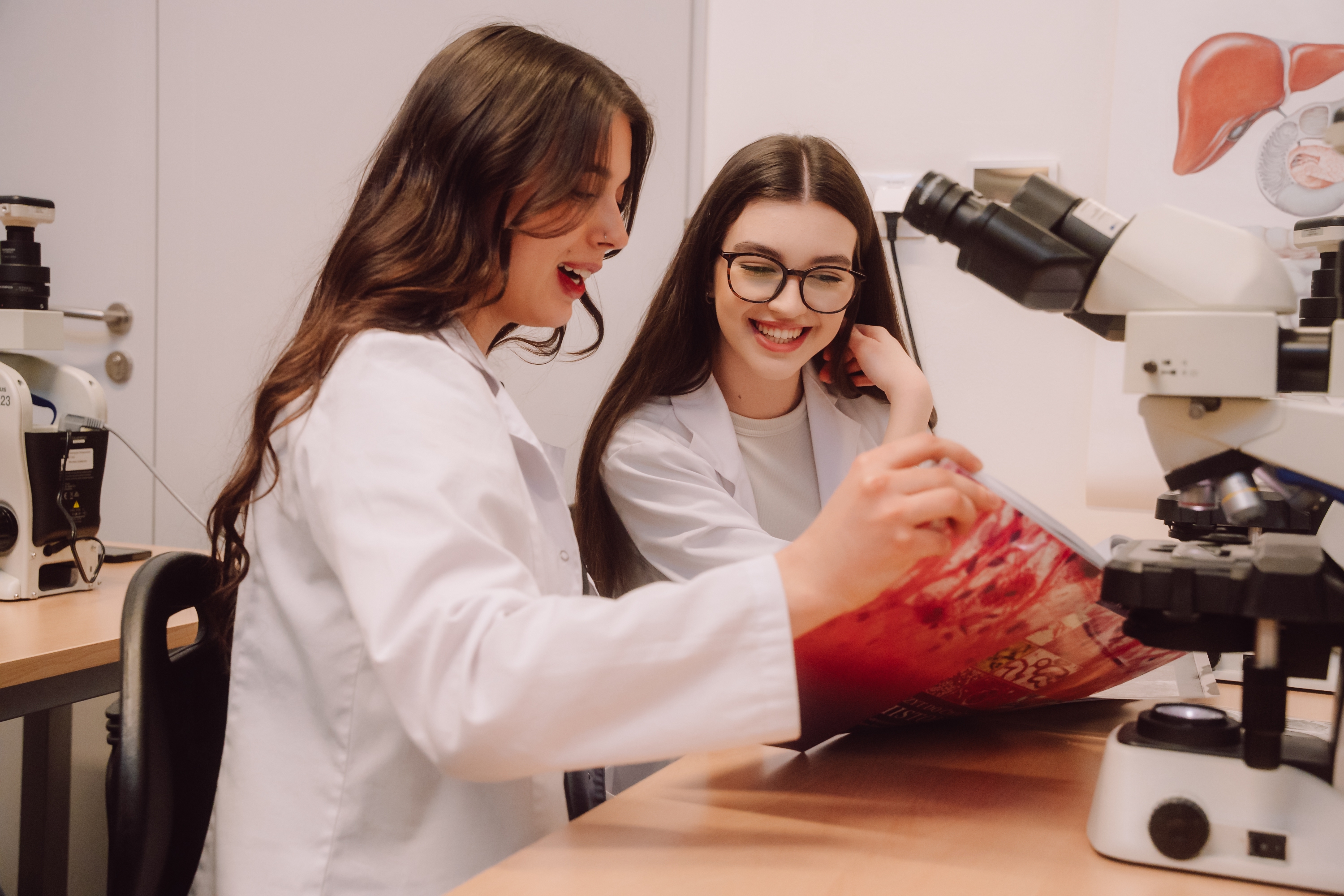
This level of individual attention is made possible, in part, by the university's commitment to small teaching groups. Lab sessions, for instance, typically involve only four to five students. This is a significant advantage in medical education, where many subjects necessitate extensive hands-on practical training. Working in such intimate groups ensures active participation in every class and direct engagement with procedures, rather than passive observation from a distance.
Hands-On Experience from Day One
Alina, who traveled from Norway to pursue her medical studies, specifically sought a programme taught in English within a university that embraced international students. "It was important to me to study somewhere that did not feel too big or impersonal," she explained. Her search led her to Rzeszów, where she discovered an environment that exceeded her expectations.
"When I learned more about the programme, it seemed like a place where students are genuinely supported and not just seen as numbers," Alina remarked. "That smaller, more individual approach really appealed to me." She has personally witnessed the transformative impact of this pedagogical model.
"It makes the learning experience more interactive and gives students more opportunities to ask questions, stay engaged, and better understand the material," Alina elaborated. "It also allows for more direct feedback and closer guidance from instructors, especially during practical and clinical training. Over time, this has really helped me build confidence and develop a deeper understanding of medical practice."
State-of-the-Art Facilities for Future Healers
The programme's emphasis on hands-on learning is powerfully supported by the university's exceptional facilities. Students benefit from a wealth of well-equipped laboratories, advanced anatomy rooms, and early clinical training opportunities that are integrated throughout the curriculum. This comprehensive infrastructure is designed to provide students with the practical experience they need to excel.
For Daniel Roshan, a second-year student from India, the university's infrastructure was a primary draw. "The modern medical infrastructure that is available in this university was one of the biggest reasons I chose to study here," he stated. "The anatomy labs and many other subjects had equipment and facilities that were advanced."
Daniel further highlighted the quality of resources available for study. "There are great cadavers and specimens to study on in the anatomy labs and high-quality microscopic slides in the histology labs, which makes it more interesting," he noted. "Basic first aid is also taught very well, allowing us to use necessary equipment like IV cannulas and CPR simulators for better understanding."
Bridging Theory and Practice in Clinical Settings
A distinctive feature of the Rzeszów programme is the integration of clinical internships every summer. These opportunities allow students to engage directly with real patients and collaborate alongside experienced healthcare professionals. This early exposure is crucial for bridging the gap between theoretical knowledge acquired in the classroom and its application in actual clinical environments.
This early immersion in clinical settings builds a level of confidence that is challenging to cultivate through didactic learning alone. By the time students reach their later years of study, they are not entering clinical environments for the first time; they have already established a foundational understanding and practical experience.
Throughout this intensive training, faculty members remain steadfast in their commitment to supporting students both academically and professionally. "They are willing to clear all doubts regarding subjects and provide further opportunities to improve our skills and knowledge," Daniel affirmed. He also added that "the senior students are also very supportive and helpful with their juniors," underscoring a strong sense of community within the programme.
A Globally Recognized Qualification
Upon successful completion of the programme, graduates are awarded a globally recognized qualification. This credential serves as a passport to diverse career opportunities across Europe and extends to other major medical markets, including the United States, the United Kingdom, and Canada. The training received at the University of Rzeszów prepares students for a wide array of professional paths.
Graduates are well-prepared to embark on careers in hospitals, clinics, research institutions, and public health organizations. Many also choose to pursue specialized medical fields, further honing their expertise. The comprehensive nature of the programme ensures that students are equipped with the foundational skills and practical experience necessary to make significant contributions to global healthcare.




 Explore AI Teaching Tools
Comments (0)
Please login to comment
No comments yet
Be the first to comment on this article