
Beyond the Prescription Pad: How One University is Forging Clinically Confident Pharmacists for a New Era
The role of a pharmacist has undergone a seismic shift. Gone are the days of simply dispensing medications. Today's pharmacists are integral members of clinical teams, adept at prescribing, and skilled in optimizing complex drug regimens for individual patients. This evolving landscape demands a new generation of pharmacy professionals, and one university's MPharm program is meticulously designed to meet that challenge head-on.
Bridging the Gap: From Science to Patient Care
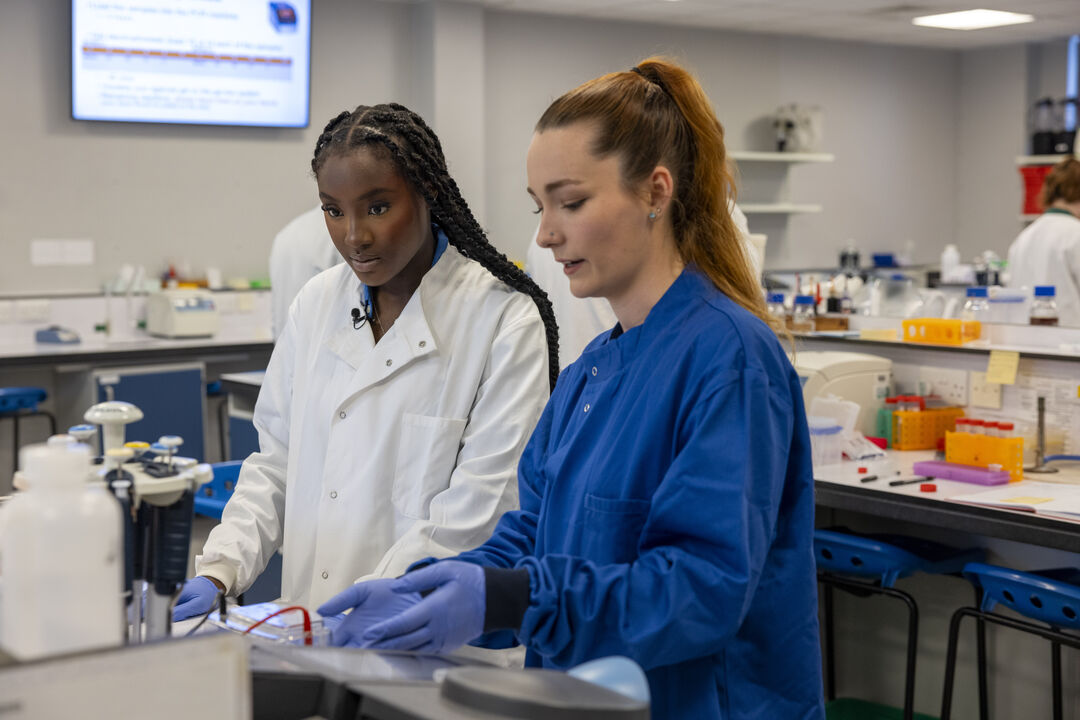
Understanding the intricate science behind pharmaceuticals is a foundational requirement, but translating that knowledge into confident, real-world patient interactions is a distinct and crucial skill. This is precisely where the Medway School of Pharmacy at the University of Greenwich has made significant investments, creating immersive simulated clinical environments that prepare students long before their first patient encounter.
Crafting Clinical Confidence Through Simulation
Dr. Jo Dockwray, a Lecturer in Clinical Skills and Professional Practice, brings a wealth of experience from her background as a medical doctor in the NHS and the European School of Osteopathy. Her recruitment to Medway was driven by a mandate to overhaul the clinical skills curriculum, aligning it with updated guidelines from the General Pharmaceutical Council (GPhC), including the integration of prescribing into undergraduate study.
“This role particularly appealed to me because it combines clinical practice, education, and innovation in healthcare training,” Dr. Dockwray explains. Her work centers on state-of-the-art facilities designed to mimic the complexities of modern healthcare settings. These include a fully equipped ward area, a realistic over-the-counter pharmacy space, and dedicated consultation rooms.
The integration of an AI-enabled manikin further enhances the learning experience, allowing students to practice a wide array of clinical and communication skills in a safe, controlled environment. “These environments allow students to practice patient counselling, prescribing discussions, clinical assessments, and multidisciplinary communication in scenarios that closely reflect modern healthcare practice,” she states.
Empathy and Expertise: The Power of Role-Play
Dr. Media Zanganeh, a Lecturer in Clinical and Professional Pharmacy Practice, shares this commitment to practical, patient-centered learning. Her decision to join Medway was influenced by her direct observation of the school's graduates during her own MPharm and PhD studies at the University of Brighton. She consistently noted their exceptional clinical knowledge, professionalism, and palpable confidence.
Now working alongside them, Dr. Zanganeh employs dynamic teaching methods, including immersive role-play activities. In these sessions, students actively switch between the roles of pharmacist and patient, fostering a deep understanding of both perspectives. The program also incorporates workshops featuring trained actors, adding another layer of realism to the simulated patient interactions.
“Simulation-based learning helps students develop empathy and patient-centred consultation techniques in a safe but realistic environment,” Dr. Zanganeh emphasizes. She underscores the critical importance of preparing students for the multifaceted realities of clinical practice from the outset of their studies.
“The most rewarding part of my role is seeing students develop into confident, clinically ready healthcare professionals who go on to make a significant positive impact on patients’ lives and the wider community through compassionate, evidence-based care,” she shares, highlighting the profound impact of this approach.
Flipping the Script: Maximizing Case-Based Learning
Senior Lecturer Andrew Lea champions the flipped classroom model, particularly for subjects like pharmacy law and clinical decision-making. This pedagogical approach strategically shifts direct instruction outside of class time, dedicating valuable in-person sessions to in-depth case discussions and scenario-based problem-solving.
“These sessions give students the opportunity to practice responding to realistic situations in a supportive environment and help build confidence before placements and patient-facing roles,” Mr. Lea explains. This method ensures that students are not just passively receiving information but are actively engaging with complex clinical challenges, honing their critical thinking and decision-making skills.
The MPharm program at Medway School of Pharmacy is fundamentally designed to prepare students for the dynamic demands of contemporary practice. This is achieved through robust collaboration with patients, a diverse range of healthcare professionals, the National Health Service (NHS), and the broader pharmaceutical industry.
A Tapestry of Disciplines: Weaving a Comprehensive Pharmacy Education
The journey to becoming a proficient pharmacist is not confined to a single area of study. The MPharm program at Medway recognizes that modern pharmacy practice is an intricate fusion of diverse disciplines, from the molecular intricacies of drug discovery to the nuanced art of patient interaction.
From Herbal Remedies to DNA Barcoding: Interdisciplinary Insights
Dr. Sukvinder Kaur Bhamra, a Senior Lecturer, draws upon her extensive research experience, which saw her delve into the homes and community pharmacies of South Asian diaspora communities across the UK. Her PhD focused on understanding the use of herbal medicines and employing DNA barcoding techniques to authenticate plant-based remedies.
This work, spanning community settings and laboratory-based research, provided Dr. Bhamra with a profound appreciation for how pharmacy leverages multiple disciplines to address complex real-world healthcare questions. She now utilizes this perspective to guide students in understanding the interconnectedness of each course within the MPharm curriculum, demonstrating how they coalesce into a cohesive and comprehensive whole.
“Biological sciences help students understand disease processes and how medicines work, while drug development provides insight into how medicines are discovered, formulated, and evaluated for safety and effectiveness,” she elaborates. “Clinical practice then brings this knowledge into real-world patient care.”
Nanotherapeutics and Beyond: The Convergence of Science
Dr. Hatem Hassan, a Lecturer in Pharmaceutics and Drug Delivery, echoes this sentiment, drawing from his own research background. His PhD at King’s College London, which focused on cancer vaccine delivery and immunotherapy at Guy’s Hospital, was a testament to the power of interdisciplinary collaboration, integrating immunology, pharmaceutics, materials science, and clinical insight.
This holistic approach is now reflected in his teaching, particularly in the field of nanotherapeutics. This cutting-edge area inherently sits at the intersection of multiple scientific disciplines, demanding a broad and integrated understanding. Dr. Hassan emphasizes the inseparable nature of these fields in practical application.
“Understanding how a drug behaves in the body requires knowledge of the underlying pathology, the chemistry and materials science that determine how it is formulated, and the biological mechanisms through which it is absorbed and delivered to its target site,” he explains. “In practice, these disciplines are inseparable.”
By the time students complete this rigorous MPharm program, they will possess not only a deep understanding of what medicines do but, crucially, why they work. This comprehensive knowledge base equips them with the confidence and competence to make informed, evidence-based decisions that directly impact patient well-being and advance the practice of pharmacy. The university's commitment to integrating clinical skills, interdisciplinary learning, and simulated practice ensures graduates are exceptionally well-prepared for the evolving demands of the profession.






 Explore AI Teaching Tools
Comments (0)
Please login to comment
No comments yet
Be the first to comment on this article