
Unlocking Educational Potential: A Deep Dive into the State's Generous Funding Initiatives
The landscape of education is constantly evolving, and significant financial investments play a crucial role in shaping its future.
Recent budget proposals reveal a substantial influx of funding, poised to transform educational opportunities for students across various levels.
This comprehensive overview explores the key areas benefiting from this financial boost, offering insights into how this will impact schools, community colleges, and the broader student community.
The Unprecedented Financial Windfall for Education
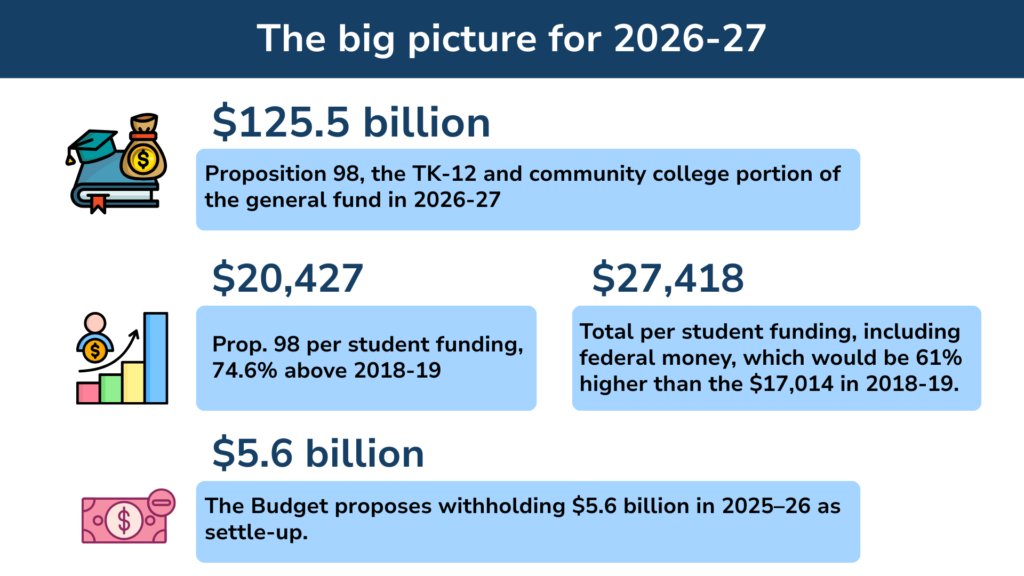
A remarkable surge in state funding, exceeding initial projections, is set to provide a significant boost to educational institutions.
This unexpected financial strength, largely driven by robust tax revenues linked to burgeoning technology sectors, presents a unique opportunity to enhance learning environments and expand vital programs.
The sheer volume of this funding underscores a commitment to prioritizing education and ensuring that students have access to the resources they need to thrive.
This substantial allocation is not merely an increase; it represents a record-breaking per-student funding level under a key state initiative.
This means that more resources will be available for each student, enabling schools and community colleges to address a wider range of needs and implement innovative educational strategies.
The state's commitment to this level of investment signals a long-term vision for educational excellence.
Investing in Foundational Learning and Recovery
A significant portion of the newly allocated budget is dedicated to strengthening foundational learning and addressing the lingering impacts of recent disruptions.
This includes the extension and enhancement of programs designed to support students' academic and social-emotional well-being.
Sustaining and Expanding Community Schools
Existing community school initiatives, which have proven instrumental in providing holistic support to students and their families, are set to receive continued and increased funding.
These schools serve as vital hubs within their communities, offering a range of services beyond traditional academics, such as health and social services, and fostering strong partnerships between schools, families, and community organizations.
The sustained investment will allow these schools to deepen their impact and reach more students in need.
Accelerating Post-COVID Learning Recovery
Recognizing the ongoing need to address learning gaps and accelerate academic progress following recent global challenges, a substantial multi-billion dollar allocation is earmarked for learning recovery efforts.
This funding will support evidence-based interventions, targeted academic support, and innovative pedagogical approaches designed to help students catch up and excel.
The commitment to funding these initiatives through 2027-28 ensures a sustained focus on student success and academic resilience.
Enhancing Early Literacy and Student Readiness
Early intervention and preparedness are critical for long-term academic success.
The budget proposal includes targeted funding to ensure that students are identified and supported from the earliest stages of their educational journey.
Early Reading Screening Initiatives
A dedicated sum of $40 million is allocated to continue comprehensive screening for all students in kindergarten, first, and second grades.
The primary objective of this initiative is to proactively identify students who may be at risk of reading difficulties, such as dyslexia.
Early identification allows for timely and appropriate interventions, setting students on a path to developing strong literacy skills, which are foundational for all subsequent learning.
The focus on consistency and quality in administering these screenings is paramount to their effectiveness.
Expanding Pathways to Future Success
Preparing students for the demands of the future workforce and higher education is a key priority.
The budget includes initiatives designed to broaden access to college and career readiness programs, ensuring that all students have the opportunity to explore their interests and develop valuable skills.
Boosting College and Career Pathways
A significant one-time infusion of $100 million is designated to enhance access to college and career pathways for high school students.
This funding will support the expansion of programs such as dual enrollment, internships, apprenticeships, and career technical education.
By providing students with early exposure to diverse career fields and post-secondary options, this initiative aims to equip them with the knowledge, skills, and experiences necessary to make informed decisions about their future and to successfully transition into higher education or the workforce.
Strengthening Higher Education and Educator Development
The financial support extends beyond K-12, with substantial allocations aimed at bolstering higher education institutions and investing in the development of the teaching profession.
Supporting Public Universities
California's public university systems are poised to receive hundreds of millions in new funding.
This vital infusion comes at a critical time, as these institutions navigate evolving financial landscapes and potential federal funding shifts.
The additional resources will help universities maintain their commitment to research, innovation, and providing high-quality education to a diverse student body.
This funding will allow them to continue their essential work in advancing knowledge and preparing future leaders.
Investing in Teacher Residencies and Training
The commitment to a strong and well-prepared educator workforce is evident in the continued investment in teacher residency programs.
An additional $250 million is allocated to these programs, which pair aspiring teachers with experienced mentors for a year of intensive, hands-on training.
Research indicates that these residency models lead to higher completion rates and greater teacher retention, particularly in underserved areas.
This investment is crucial for addressing teacher shortages and improving instructional quality across the state's schools.
Addressing Special Education Needs and Equity
Ensuring that students with disabilities receive the specialized support they need is a core responsibility.
The budget proposes significant investments to enhance special education services and promote greater equity across the state.
Boosting Special Education Funding and Equalization
With a rising number of students requiring special education services, the budget allocates an additional $509 million to Prop. 98 funds for special education.
A key focus of this investment is the equalization of funding rates across the state.
Historically, per-pupil rates for special education have varied considerably between different regional agencies.
This funding aims to create a more equitable system, ensuring that all districts have the resources to provide consistent and high-quality support for students with disabilities, regardless of their location.
This is particularly important as approximately 60% of special education expenditures are funded through the general fund.
Navigating the Budgetary Process and Future Considerations
Understanding the state budget process is essential for appreciating the implications of these funding decisions.
The governor's initial proposal sets the stage, but the May revision and subsequent legislative negotiations play a crucial role in shaping the final budget.
The Governor's Proposal and Legislative Dialogue
The governor's proposed budget, released by January 10th, is based on revenue estimates for the upcoming 18 months.
However, economic conditions and unforeseen events can lead to significant adjustments.
The May revision provides an updated revenue forecast, and the Legislature then has until June 15th to present its own version.
The subsequent negotiation period between legislative leaders and the governor is critical for resolving differences and finalizing the budget.
It's important to note that budget trailer bills, often enacted after the main budget is passed, can contain significant policy changes that warrant careful review.
Potential Points of Contention
While the overall increase in funding is substantial, certain aspects of the budget proposal may become points of discussion and negotiation.
For instance, the allocation of a cost-of-living adjustment (COLA) for the Local Control Funding Formula, and the proposed withholding of a portion of Prop. 98 funding for future use, are areas where districts may seek different approaches to immediate needs versus future fiscal stability.
The state's position often emphasizes the need for a cushion to address potential fluctuations in revenue, particularly those tied to volatile market performance.
This highlights the ongoing balance between immediate educational needs and long-term fiscal prudence.
Conclusion
The recent state budget proposal represents a significant and forward-thinking investment in the future of education.
By dedicating billions of dollars to critical areas such as learning recovery, early literacy, college and career pathways, higher education, and special education, the state is demonstrating a strong commitment to its students and communities.
While the budgetary process involves ongoing dialogue and potential adjustments, the core intent is clear: to provide schools and community colleges with the resources necessary to foster a more equitable, effective, and prosperous educational system for all.
This robust funding will empower educators, support students, and strengthen the entire learning ecosystem for years to come.





 Explore AI Teaching Tools
Comments (0)
Please login to comment
No comments yet
Be the first to comment on this article