
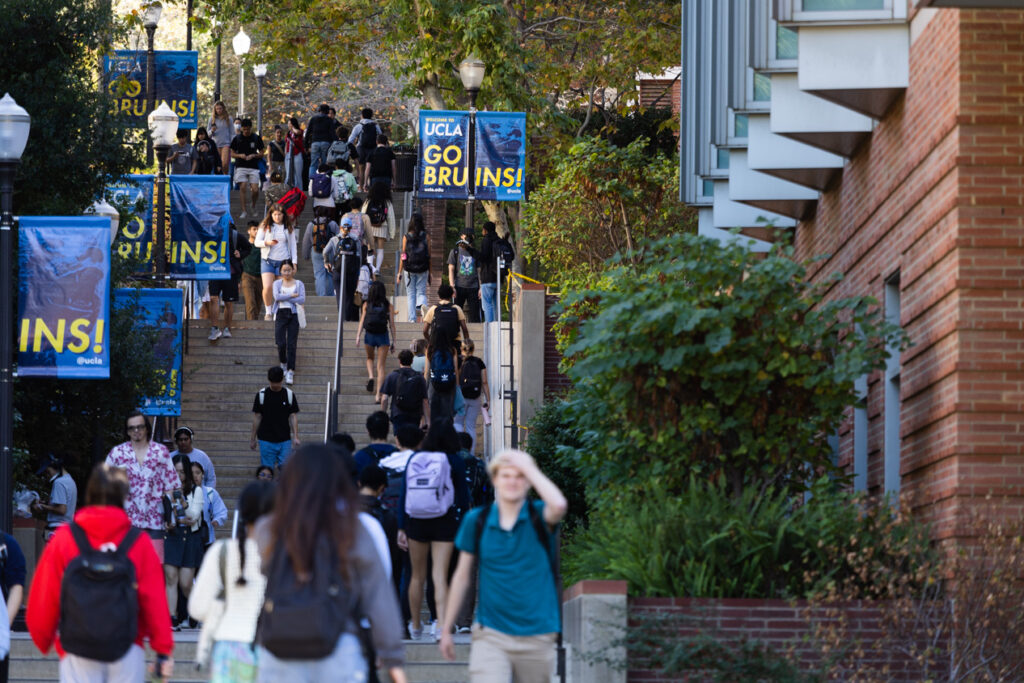
Navigating Higher Education Leadership: Lessons from a Transformative UC Presidency
The landscape of higher education is constantly evolving, demanding agile leadership to steer complex institutions through unprecedented challenges.As a global Mentofy Learning Platform">learning platform, Mentofy is dedicated to dissecting these pivotal moments.
Today, we delve into the significant tenure of a prominent leader within the University of California system, exploring the strategic decisions and impactful initiatives that defined his time at the helm.
This analysis offers valuable insights for anyone interested in the future of academic governance, institutional resilience, and the pursuit of educational excellence, particularly for students in California and beyond.
The Evolving Role of a University President
Leading a vast university system, especially one as prestigious and multifaceted as the University of California, is a role of immense responsibility.
It requires a delicate balance of academic stewardship, financial oversight, and public engagement.
The president must act as a visionary, a diplomat, and a crisis manager, all while upholding the core mission of education and research.
The challenges faced by such leaders are often complex and interconnected, demanding a strategic approach that considers the needs of students, faculty, staff, and the wider community.
The height of these responsibilities can be immense, requiring a deep understanding of the institution's history and a clear vision for its future.
The modern university president operates within a dynamic environment shaped by technological advancements, shifting societal expectations, and evolving economic realities.
Navigating these currents requires not just administrative acumen but also a profound commitment to fostering an inclusive and equitable learning environment.
The ability to adapt to unforeseen circumstances, such as global health crises or significant social movements, is paramount.
This adaptability is often tested, pushing leaders to find innovative solutions and maintain the institution's core values.
Guiding the University Through Unprecedented Times
The recent history of the University of California has been marked by a series of significant events that tested the resilience of its leadership and its constituent campuses.
The period under review saw the system navigate the profound disruption of a global pandemic, a challenge that necessitated rapid adaptation in instructional delivery and student support.
This era demanded a swift pivot to remote learning, followed by the complex process of safely welcoming students back to physical campuses.
The president's role in orchestrating this transition was crucial, ensuring continuity of education while prioritizing the well-being of the entire university community.
Beyond the immediate crisis of the pandemic, the university system also contended with significant enrollment shifts and complex labor negotiations.
The pursuit of increased enrollment, particularly for residents of California, has been a consistent priority, driven by both internal goals and external mandates.
Studies indicate that increasing access for in-state students is vital for the economic and social fabric of the state.
Furthermore, the system has experienced periods of labor unrest, requiring careful negotiation and a commitment to fair treatment for academic workers.
These situations highlight the intricate web of stakeholders and interests that a university president must skillfully manage.
Addressing Enrollment Goals for California Residents
A key objective during this transformative period has been to enhance the enrollment of California residents across the University of California's ten campuses.
This commitment reflects a broader societal goal of ensuring that the state's own students have ample opportunities to pursue higher education within their home state.
Research shows a strong correlation between increased access to higher education for residents and positive economic outcomes for the state.
Significant progress has been observed in recent years.
Fall 2023 saw a notable increase in the number of Californian freshmen admitted, representing a substantial year-over-year growth.
This trend has continued, with the most recent admissions data indicating a record number of California first-year students offered admission for the upcoming academic year.
This achievement underscores a focused effort to align the university's admissions policies with the state's demographic and educational aspirations.
The goal is to ensure that more Californians can benefit from the world-class education the UC system provides.
Navigating Complex Social and Labor Dynamics
The University of California system, like many large institutions, is a dynamic environment where social and labor issues can significantly impact operations.
One of the most prominent challenges during this tenure was a large-scale strike involving academic workers.
This event, one of the largest in higher education history, brought to light the critical importance of fair labor practices and robust benefits for those who contribute to the university's academic and research endeavors.
Following the initial agreement, the specter of further labor disputes emerged, fueled by allegations of worker rights violations.
These tensions often intersect with broader societal movements, as seen in the pro-Palestinian protests that occurred across several campuses.
These demonstrations, which included encampments and calls for divestment, presented complex ethical and logistical dilemmas for university leadership.
The university's stance on such issues, often involving a commitment to academic freedom alongside institutional policies, is a critical aspect of its governance.
The president's office has consistently articulated its position on calls for boycott and divestment, aiming to balance diverse viewpoints while upholding institutional principles.
The Impact of Protests and Free Speech on Campus
The spring of the most recent academic year saw significant campus activity related to pro-Palestinian protests.
These events, which sometimes involved encampments and demonstrations, led to difficult decisions regarding student conduct and the use of law enforcement.
University chancellors faced the challenge of managing these protests while upholding the principles of free speech and ensuring the safety and order of their campuses.
The university's stated position has been to oppose boycotts and divestment, a stance that reflects a complex geopolitical context and the university's commitment to its academic mission.
The resolution of these protests and the ongoing dialogue surrounding them highlight the delicate balance required to foster a campus environment that respects diverse perspectives while maintaining a functional academic setting.
As the next academic year approaches, the potential for similar demonstrations remains a consideration for university administrators.
The height of these discussions often revolves around the boundaries of free expression and the university's responsibility to protect all members of its community.
Strategic Vision for the Future of Higher Education
As a leader concludes a significant term, the focus naturally shifts to the enduring legacy and the forward-looking strategies that will shape the institution's trajectory.
The commitment to expanding student support services remains a cornerstone of this vision.
This includes initiatives aimed at creating clearer pathways to a debt-free education, ensuring that a University of California degree is an accessible and attainable goal for a broader segment of the population, particularly for students from California.
Furthermore, the emphasis on building upon the university's established academic and research excellence is paramount.
This involves fostering an environment that encourages innovation, supports groundbreaking discoveries, and attracts top-tier faculty and students.
Promoting a safe, respectful, and inclusive community that champions the free exchange of ideas is also a critical component.
This holistic approach aims to ensure that the University of California continues to be a beacon of learning and a catalyst for positive societal change, reaching new heights of academic achievement.
The Importance of Advanced Learning and Research
The pursuit of advanced learning and cutting-edge research is the bedrock of any leading university.
The University of California system has a long-standing reputation for excellence in these areas, attracting global talent and contributing significantly to human knowledge.
The strategic direction for the future will undoubtedly involve continued investment in research infrastructure, interdisciplinary collaboration, and the development of innovative academic programs that address the complex challenges of our time.
The integration of new technologies, such as advanced AI and data analytics, will play an increasingly important role in both research methodologies and educational delivery.
The ability to leverage these tools effectively will be crucial for maintaining a competitive edge and for preparing students for the future workforce.
The height of scientific inquiry and intellectual exploration is constantly being pushed, and the university must remain at the forefront of these advancements.
The Process of Presidential Succession
The transition of leadership in a major university system is a carefully orchestrated process.
The chair of the Board of Regents plays a pivotal role in initiating the search for a new president.
This typically involves the appointment of a search committee tasked with conducting a national recruitment.
The goal is to identify a candidate with the vision, experience, and leadership qualities necessary to guide the university through its next chapter.
The selection process is often rigorous, involving extensive consultation with various stakeholders, including faculty, students, alumni, and staff.
The aim is to ensure that the chosen leader is well-equipped to address the unique opportunities and challenges facing the University of California.
The height of expectation for the incoming president is considerable, as they will inherit the responsibility of building upon the achievements of their predecessors and charting a course for continued success.
Conclusion
The tenure of a university president is a critical period that shapes the institution's direction and impact for years to come.
The recent leadership within the University of California system has been defined by a commitment to navigating complex challenges, from global pandemics to evolving enrollment demands and labor dynamics.
The focus on increasing access for California residents, fostering academic excellence, and promoting an inclusive campus environment underscores the enduring mission of higher education.
The strategic decisions made during this time offer valuable lessons for understanding institutional resilience, adaptive leadership, and the ongoing pursuit of educational advancement, particularly for those seeking to understand the future of learning in California and beyond.
The height of these achievements serves as a testament to the dedication of the entire university community.






 Explore AI Teaching Tools
Comments (0)
Please login to comment
No comments yet
Be the first to comment on this article