
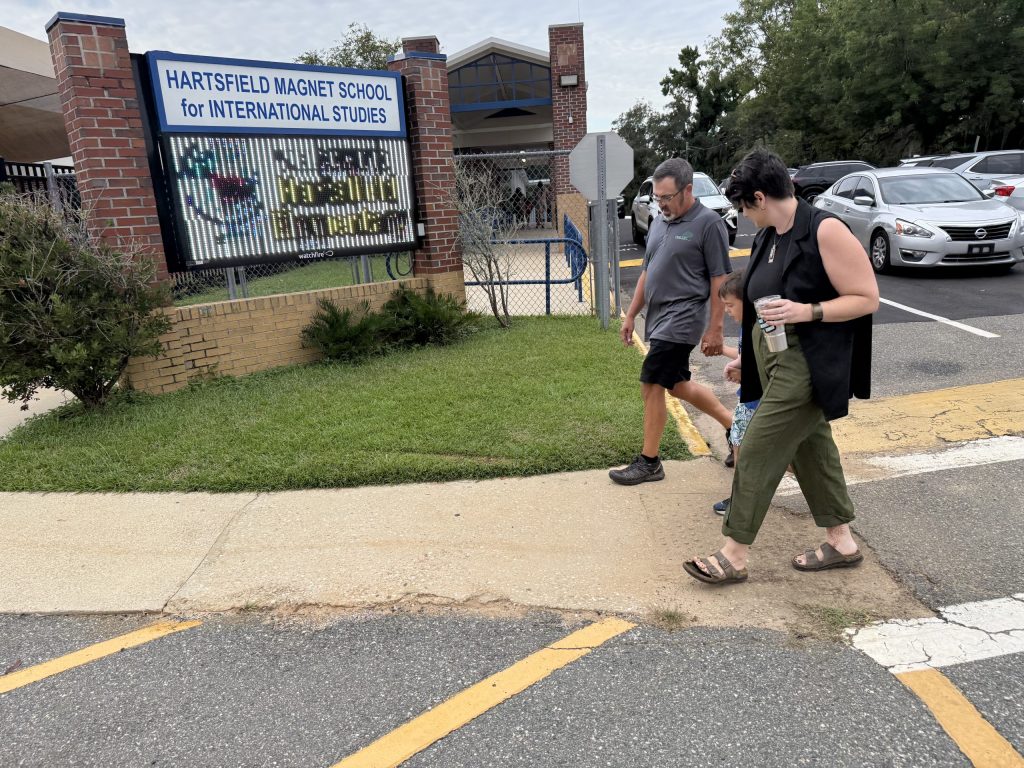
Navigating the Shifting Educational Landscape: Strategies for Public schools in a Market-Driven Era
The educational landscape is undergoing a profound transformation, with students and families increasingly empowered by expanded school choice options.This dynamic shift presents both challenges and opportunities for traditional public schools.
In this evolving environment, understanding market share, student enrollment trends, and innovative outreach strategies is paramount for ensuring the continued success and vitality of public education for all students.
This article delves into the critical factors influencing school enrollment and provides actionable insights for public schools aiming to thrive in this new era.
1.
The Evolving Dynamics of Student Enrollment in Public Schools Public schools across the nation, including those in Florida, are experiencing significant shifts in student enrollment.
This phenomenon is driven by a confluence of factors, including demographic changes and the burgeoning popularity of alternative educational pathways.
Understanding these underlying forces is the first step for any school seeking to maintain and grow its student body.
Demographic Shifts and Their Impact
Across the country, a natural decline in the number of school-age children is a contributing factor to lower enrollment figures in many districts.This trend necessitates a proactive approach to student recruitment and retention.
Schools must adapt to a smaller pool of potential students by highlighting their unique strengths and offerings.
The Rise of School Choice and its Implications
The expansion of school choice initiatives, including charter schools and voucher programs, has fundamentally altered the educational marketplace.These programs provide families with greater flexibility in selecting educational environments that best suit their children's needs.
While this offers valuable options for students, it also creates a competitive environment where public schools must actively demonstrate their value proposition.
Understanding Voucher Programs and Their Reach
Universal voucher programs, which allow families to use public funds for private or home education, have become a significant factor in the enrollment equation.In states like Florida, these programs have grown substantially, redirecting substantial funding from public school budgets.
This redirection of resources underscores the urgency for public schools to understand how these programs impact their financial stability and operational capacity.
Research indicates that a significant portion of students are now utilizing these vouchers, impacting the traditional student base of public institutions.
The Florida Context: A Case Study in Market Share Competition
Florida serves as a prime example of a state where school choice has dramatically reshaped the educational landscape.Large school districts have reported thousands of fewer students year over year, with some experiencing enrollment drops of over 3 percent.
This trend is not isolated; many Florida school districts are facing similar challenges, leading to budget cuts and the potential for reduced services or even school closures.
The state's robust voucher system, coupled with the proliferation of charter schools, has created a highly competitive market for students.
2.
Strategies for Public Schools to Thrive in a Competitive Environment In this new educational paradigm, public schools must embrace a more market-aware approach to student recruitment and engagement.
This involves not only understanding the competition but also actively promoting the unique benefits and strengths that public education offers.
Embracing the Role of "Chief Salesperson"
School leaders are increasingly finding themselves in the role of chief salespeople, actively engaging with parents and the community to highlight the value of their schools.This proactive outreach can involve speaking to parent groups, offering personalized school tours, and making themselves accessible to address parental concerns.
The emphasis on "customer service" is no longer a secondary consideration but a critical component of enrollment strategy.
Highlighting Unique Strengths and Differentiated Offerings
Public schools possess a wealth of strengths that can be effectively marketed.This includes: * academic Excellence: Showcasing strong academic programs, high-performing students, and successful alumni can attract families seeking quality education.
Many public schools boast top-tier rankings and innovative curricula that can be powerfully communicated. * Diverse Learning Environments: Public schools often offer a broader range of programs and extracurricular activities than many private alternatives, catering to a wider array of student interests and talents.
This includes robust arts, music, athletics, and specialized academic tracks. * Community Integration: Public schools are deeply embedded within their communities, fostering a sense of belonging and shared responsibility.
This connection can be a powerful draw for families who value local engagement. * Inclusivity and Equity: Public schools are committed to serving all students, regardless of background or ability.
This commitment to inclusivity is a core value that resonates with many families.
Leveraging Technology for Outreach and Engagement
The digital age offers powerful tools for public schools to connect with prospective students and their families.This can include: * Developing Engaging Websites: School websites should be dynamic, informative, and visually appealing, showcasing school culture, academic achievements, and student life. * Utilizing Social Media: Platforms like Facebook, Instagram, and Twitter can be used to share school news, highlight student successes, and engage with the parent community. * Virtual Tours and Information Sessions: Offering virtual tours and online information sessions can make school offerings accessible to a wider audience, including families who may not be able to visit in person. * Online Marketplaces for Course Offerings: Some districts are exploring placing their course catalogs on educational marketplaces, allowing students to enroll in specific classes, even part-time.
This can serve as an entry point for students to experience the school's offerings and potentially enroll full-time.
Building Strong Parent Partnerships
Cultivating strong relationships with parents is fundamental to student retention and enrollment growth.This involves: * Open Communication Channels: Establishing clear and consistent communication channels between school staff and parents is essential.
This includes regular updates, accessible parent-teacher conferences, and responsive communication systems. * Parent Involvement Programs: Encouraging parent involvement through volunteer opportunities, parent-teacher associations (PTAs), and school advisory councils can foster a sense of ownership and commitment. * Addressing Parent Concerns Proactively: Schools must be attuned to parental concerns and address them promptly and effectively.
This demonstrates a commitment to student well-being and parental satisfaction.
3.
Addressing the Financial Realities and Budgetary Pressures The shift in student enrollment directly impacts school budgets, creating a need for careful financial planning and resource management.
Public schools must navigate these financial challenges while continuing to provide high-quality education.
The Impact of Funding Diversion on School Budgets
When students utilize vouchers to attend private schools, a portion of the per-pupil funding that would have gone to the public school district is redirected.This diversion of funds can lead to significant budgetary shortfalls, forcing districts to make difficult decisions about resource allocation.
Studies indicate that this redirection can amount to millions of dollars annually for larger districts.
Strategies for Budgetary Resilience
Public schools can implement several strategies to enhance their budgetary resilience: * Diversifying Funding Streams: Exploring grant opportunities, fundraising initiatives, and partnerships with local businesses can supplement traditional funding sources. * Efficient Resource Allocation: Conducting regular reviews of expenditures to identify areas for cost savings and optimize resource utilization is crucial. * Advocating for Equitable Funding: Public schools and districts must actively advocate for state and federal policies that ensure equitable funding for all students, regardless of their chosen educational path. * Exploring Shared Services and Collaborations: Districts can explore opportunities to share resources, administrative functions, or specialized services with neighboring districts to achieve economies of scale.The Challenge of Mid-Year Enrollment Fluctuations
State funding allocations are often based on enrollment counts taken at specific times of the year, such as October and February.When students leave public schools mid-year for alternative options and then re-enroll later, districts may not receive adequate funding for these students.
This creates a funding gap that can strain school budgets.
Proactive data tracking and advocacy for more flexible funding models are essential to address this challenge.
4.
Ensuring Accountability and Transparency in the Educational Marketplace The expansion of school choice raises important questions about accountability and transparency, particularly concerning the performance of private and charter schools that receive public funds.
Public schools, as institutions accountable to taxpayers, must champion these principles.
Evaluating School Performance Beyond Test Scores
While standardized test scores are one metric of performance, they do not capture the full picture of a school's effectiveness.Research suggests that parent satisfaction is a key indicator, but it is not sufficient on its own.
A comprehensive evaluation of schools should consider: * Student Growth and Progress: Measuring how much students learn and grow academically over time. * Graduation Rates and Post-Secondary Success: Tracking the long-term outcomes of students. * School Climate and Culture: Assessing the overall environment, including safety, inclusivity, and student well-being. * Programmatic Offerings and Extracurricular Opportunities: Evaluating the breadth and quality of educational experiences available.
The Need for Consistent and Comparable Data
For parents to make informed choices, there needs to be consistent and comparable data available across all types of schools.This includes standardized testing requirements, transparent reporting of financial data, and clear accountability frameworks for all educational providers receiving public funds.
The current landscape, where different schools may use different testing instruments, makes direct comparisons challenging.
The Role of Public Schools in Upholding Educational Standards
Public schools have a vested interest in ensuring that all students receive a high-quality education, regardless of their chosen school.By advocating for robust accountability measures and transparent reporting, public schools can help to elevate the standards of the entire educational ecosystem.
This includes ensuring that schools receiving public funds are held to similar standards of academic rigor, fiscal responsibility, and student safety.
Conclusion
The educational landscape is undeniably dynamic, with school choice presenting both challenges and opportunities for public schools.By understanding the forces driving enrollment shifts, embracing innovative outreach and engagement strategies, addressing financial realities with resilience, and championing accountability and transparency, public schools can not only survive but thrive.
The commitment to providing a high-quality, inclusive, and equitable education for all students remains the cornerstone of public education, and by adapting to the evolving market, public schools can continue to be the bedrock of learning for generations to come.







 Explore AI Teaching Tools
Comments (0)
Please login to comment
No comments yet
Be the first to comment on this article