
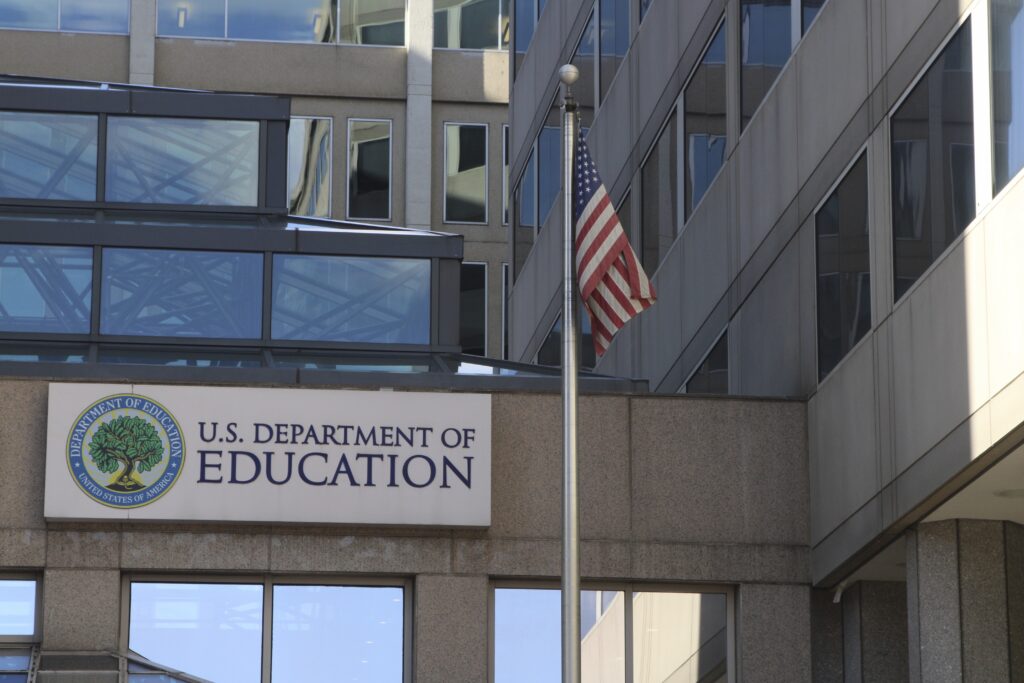
Navigating Diversity in Education: A Comprehensive Guide for 2025 and Beyond
In the dynamic landscape of modern education, fostering an environment that embraces diversity, equity, and inclusion (DEI) is not just a matter of principle but a crucial element for academic success and societal progress.This article delves into the complexities surrounding DEI initiatives in educational institutions, exploring recent developments, their impact, and the path forward for students, educators, and administrators.
We aim to provide a clear, actionable understanding of these vital concepts for our global learning community.
The Evolving Landscape of Diversity, Equity, and Inclusion in Education
The journey towards truly inclusive educational spaces has seen significant shifts, particularly in recent years.While the core principles of DEI remain steadfast, the methods of their implementation and the challenges they face are constantly evolving.
Understanding this evolution is key for anyone involved in the education sector.
Understanding the Core Tenets of DEI
At its heart, Diversity refers to the presence of a wide range of human qualities and attributes within a group, encompassing race, ethnicity, gender, sexual orientation, age, physical abilities, socioeconomic status, and more.Equity, on the other hand, focuses on fairness and justice, recognizing that different individuals and groups may require different resources and support to achieve equal outcomes.
Inclusion is the practice of ensuring that everyone feels welcomed, respected, supported, and valued to fully participate.
When these three elements work in concert, they create a rich tapestry of learning experiences that benefit all students.
The Role of Administration in Championing DEI
Educational administration plays a pivotal role in shaping the culture and policies of schools and universities.Leaders at all levels are tasked with creating frameworks that not only acknowledge but actively promote DEI.
This involves strategic planning, resource allocation, and the development of inclusive curricula and practices.
Effective administration understands that DEI is not a separate initiative but an integral part of the educational mission.
Recent Developments and Their Impact on Educational Practices
The discourse around DEI in education has been particularly active, with legal and policy shifts influencing how institutions approach these initiatives.Examining these developments provides critical context for understanding the current state of DEI in schools.
Navigating Legal and Policy Shifts
Recent years have seen significant legal and policy discussions surrounding DEI initiatives.While the specifics of any given administration's stance can vary, the underlying tension often revolves around the interpretation of federal guidance and its alignment with constitutional principles.
Research indicates that when federal guidance shifts, educational institutions often face uncertainty, leading to a period of re-evaluation of existing DEI programs.
This can sometimes result in a chilling effect, where well-intentioned programs are scaled back due to fear of reprisal or misinterpretation of regulations.
The California Context: A Microcosm of National Trends
California, with its diverse population and progressive educational policies, often serves as a bellwether for national trends.Studies indicate that schools and universities in California have actively engaged with DEI principles for years.
However, even in a state known for its commitment to diversity, the broader national conversations and potential policy shifts have prompted introspection and adjustments.
Some institutions have reviewed their language and program names, seeking to ensure clarity and alignment with evolving legal interpretations, while simultaneously striving to maintain their commitment to inclusivity.
The Impact on Students and Educators
The implications of these administrative and policy shifts are far-reaching, directly affecting the daily experiences of students and educators.When DEI initiatives are robust, students from all backgrounds feel a greater sense of belonging, leading to improved academic performance and overall well-being.
Educators, in turn, are empowered to create more equitable learning environments.
Conversely, any perceived weakening of these initiatives can create anxiety and uncertainty, potentially hindering the progress made in closing opportunity gaps.
Research shows that the perception of administrative support for DEI is a strong predictor of student engagement and success.
Strategies for Strengthening DEI in Educational Institutions
Despite the complexities and challenges, there are concrete strategies that educational institutions can employ to strengthen their commitment to diversity, equity, and inclusion.These strategies focus on proactive planning, robust implementation, and continuous evaluation.
Fostering Inclusive Campus Climates
Creating an inclusive campus climate is paramount.This involves more than just policies; it requires a cultural shift.
Educational institutions can achieve this by:
- Promoting open dialogue: Establishing safe spaces for discussions about diversity, equity, and inclusion.
- Implementing inclusive curricula: Ensuring that course materials reflect diverse perspectives and histories.
- Supporting student organizations: Empowering groups that cater to underrepresented student populations.
- Providing cultural competency training: Equipping faculty and staff with the skills to effectively engage with diverse students.
The Role of Data in Driving DEI Efforts
Data is an indispensable tool for understanding the current state of DEI and measuring the effectiveness of initiatives.Institutions should:
- Collect disaggregated data: Gather information on student demographics, academic outcomes, and participation in campus life, broken down by various identity groups.
- Analyze trends: Identify disparities and areas where certain student populations may be facing challenges.
- Set measurable goals: Establish specific, achievable, relevant, and time-bound (SMART) objectives for DEI progress.
- Regularly report on progress: Transparently share data and progress towards DEI goals with the campus community.
Building Partnerships for DEI Advancement
No institution can achieve its DEI goals in isolation.Collaboration is key.
This includes:
- Internal collaboration: Encouraging departments and offices to work together on DEI initiatives.
- External partnerships: Engaging with community organizations, advocacy groups, and other educational institutions to share best practices and resources.
- Involving stakeholders: Actively seeking input from students, faculty, staff, alumni, and community members in the development and implementation of DEI strategies.
Addressing Challenges and Moving Forward
The path to achieving true diversity, equity, and inclusion in education is not without its obstacles.Understanding these challenges is the first step towards overcoming them and ensuring that educational environments are truly equitable for all students.
The Importance of Proactive Engagement
While legal battles and policy debates unfold, educational institutions have the agency to proactively champion DEI.This means not waiting for mandates but actively investing in programs and policies that support a diverse student body.
Studies indicate that institutions that prioritize DEI are better positioned to attract and retain a wide range of talent, both among students and faculty.
Combating Misinformation and Fear
Misinformation and fear can be significant barriers to DEI progress.It is crucial for educational leaders to provide clear, accurate information about the goals and benefits of DEI initiatives.
By fostering an environment of understanding and transparency, institutions can counter negative narratives and build broader support for their inclusion efforts.
The administration’s role in providing clear guidance, rather than creating ambiguity, is essential for this process.
The Long-Term Vision for Education
Ultimately, the goal of DEI in education is to create a more just and equitable society.By ensuring that all students have the opportunity to learn, grow, and succeed, regardless of their background, educational institutions contribute to a brighter future.
The commitment to diversity, equity, and inclusion is not a fleeting trend but a fundamental aspect of preparing students for a complex and interconnected world.
The administration’s commitment to these principles directly impacts the quality of education provided to students across the nation.
Conclusion
The ongoing dialogue and evolving landscape surrounding diversity, equity, and inclusion in education underscore the critical importance of these principles.While administrative and policy shifts can create uncertainty, the fundamental value of DEI remains undeniable.
For students, educators, and administrators, a proactive and informed approach is essential.
By focusing on fostering inclusive climates, leveraging data, building partnerships, and combating misinformation, educational institutions can strengthen their commitment to DEI.
The administration’s role in supporting these efforts is paramount, ensuring that all students have access to an education that prepares them for success in a diverse world.
The journey towards equitable education is continuous, and a steadfast dedication to diversity, equity, and inclusion is key to achieving it.







 Explore AI Teaching Tools
Comments (0)
Please login to comment
No comments yet
Be the first to comment on this article