
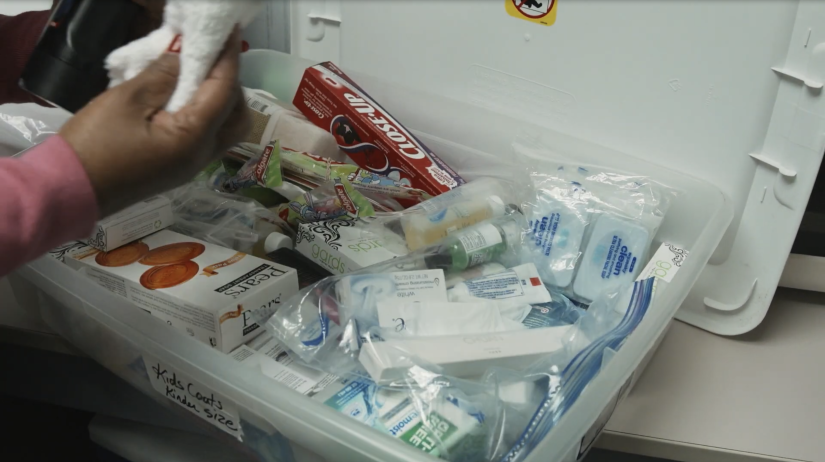
Imagine a school where a child’s ability to learn is directly impacted by whether their family can afford basic necessities like food, hygiene products, or even winter coats. This isn't a hypothetical scenario; for many students in Seattle Public Schools, it's a daily reality. The Right Now Needs Fund, a remarkable initiative, is stepping in to bridge this critical gap, providing immediate financial assistance to families and ensuring that essential needs don't become insurmountable barriers to education. This approach highlights a growing understanding among educators and policymakers: a student's well-being outside the classroom directly influences their success within it.
A Lifeline for Families Facing Immediate Crises
For Myeisha Chester, a single mother of three, the Right Now Needs Fund has been a consistent source of relief. When everyday essentials like food, school supplies, or winter clothing are beyond her immediate financial reach, the fund steps in. This isn't about long-term poverty solutions, but rather about addressing urgent needs that can prevent a child from attending school or focusing during lessons. The fund’s ability to act swiftly means that families don’t have to choose between essential living costs and their children’s educational continuity.
“There are times we don’t have tissue paper and the school would give us gift cards, asking us if we needed help,” Chester shared, emphasizing how food stamps don’t cover these specific necessities. The fund’s support allows her daughters to attend school prepared and without the added stress of lacking basic items. This kind of targeted, rapid assistance is proving invaluable in supporting the holistic needs of students.
“I appreciate it a lot. If they didn’t help me out, I would be going without some stuff or borrowing from friends and family.”
The Right Now Needs Fund, managed by the Alliance for Education, has been a pillar of support for Seattle’s public school families for eight years. Since its inception, fueled by an initial $2 million donation from Amazon, the fund has provided thousands of instances of aid. This assistance ranges from hygiene kits to crucial rental support, demonstrating a comprehensive approach to removing obstacles to education. Its impact is directly linked to improved student attendance, a key indicator of academic success.
The Direct Link Between Basic Needs and School Attendance
The correlation between poverty and chronic absenteeism is stark. Children living in poverty are two to three times more likely to miss significant portions of the school year. In Washington state, this issue is particularly pronounced, with analyses showing it has one of the highest rates of chronic absenteeism in the nation. The Right Now Needs Fund directly combats this by ensuring students have what they need to be present and engaged.
Tracey Thompson, a social worker at West Seattle Elementary, attests to the fund’s efficacy, stating, “They live up to their name. If there’s a need, it gets handled immediately.” This rapid response is crucial for issues like providing footwear for students with damaged shoes or ensuring a child has food during school breaks. The fund’s agility means that immediate needs are met without delay, preventing even short-term disruptions from impacting a student’s educational journey.
“If, for example, a family needed help with rent, they would show staff their lease and the Fund would write a check to the landlord. It’s a very low barrier.”
The fund’s operations are designed for efficiency and accessibility. School staff, often counselors or social workers, can submit a simple, one-page request for assistance. This streamlined process minimizes the bureaucratic hurdles that can often deter families from seeking help. By removing documentation requirements and income verification, the fund ensures that aid reaches those who need it most, quickly and effectively.
Addressing a Growing Demand Amidst Shifting Economic Landscapes
While the Right Now Needs Fund has been a consistent source of support, recent years have seen an increased demand coupled with budgetary constraints. The annual distribution, which once stood at approximately $1 million, has seen a reduction to $800,000. This decrease occurs at a time when many families are facing intensified financial pressures due to factors like cuts to healthcare subsidies and changes in federal food assistance programs.
The erosion of programs like SNAP and the ongoing impact of inflation and rising housing costs exacerbate the challenges faced by low-income families. In a city like Seattle, where rental costs have seen significant increases, the need for emergency financial assistance becomes even more critical. These economic shifts underscore the importance of initiatives like the Right Now Needs Fund, which act as a vital buffer for vulnerable households.
The Interplay of Systemic Issues and Immediate Relief
Experts like Andre M. Perry from the Brookings Institution acknowledge the vital role of relief programs but also point to the need for addressing systemic issues. While immediate assistance is crucial for affording essentials, Perry emphasizes that these programs, while valuable, cannot solely solve the root causes of poverty. The goal, he suggests, is to provide relief while simultaneously advocating for structural changes that offer long-term solutions.
Programs like the expanded child tax credit during COVID-19 demonstrated the profound impact of systemic support, significantly reducing child poverty. The temporary nature of such initiatives highlights the ongoing need for sustained, structural interventions alongside immediate aid. The Right Now Needs Fund, therefore, operates as a critical component of a larger ecosystem of support, addressing immediate needs while acknowledging the broader challenges families face.
Empowering Students Through Dignity and Confidence
The impact of the Right Now Needs Fund extends beyond just material assistance; it fosters a sense of dignity and confidence in students. Providing items like deodorant, sanitary pads, or even hair gel can significantly influence a student's self-esteem, particularly during the sensitive middle and high school years. Feeling clean and presentable can make a profound difference in a student’s willingness to participate in class and interact with peers.
Zeynab Abdulgadir, the Fund’s director, highlights this aspect: “Anything a student needs to just groom and feel confident in the classroom is so important—especially in middle and high school.” By meeting these personal care needs, the fund helps ensure that students can focus on their studies rather than feeling self-conscious about their appearance. This subtle yet powerful support contributes to a more positive and inclusive school environment.
Beyond the Basics: Supporting Academic and Personal Growth
The fund’s reach is broad, addressing needs that directly impact a student’s ability to thrive academically and personally. Chelsea Dziedzic, principal at Lowell Elementary, where a significant percentage of students are classified as low-income, noted that the fund has been instrumental in supporting both academic growth and a sense of belonging. Assistance with rent, prescription refills for antibiotics, and utility bills have kept students housed, healthy, and in school.
The fund’s flexibility is a key strength. Whether it's a substantial amount for car repairs to ensure a student can get to school or a small sum for personal care items, the fund adapts to the diverse needs of families. This adaptability ensures that students are not only present but also feel supported and valued, creating a foundation for academic success. As students prepare for significant milestones like graduation, the fund even plans to assist with costs for caps and gowns, further underscoring its commitment to supporting the entire student journey.
Innovative Tools to Support Educators in Meeting Diverse Needs
While direct financial assistance like the Right Now Needs Fund addresses critical external barriers, educators are continuously seeking innovative ways to support students within the school environment. The challenges faced by students outside the classroom often manifest in their engagement and learning within it. Tools that can help educators better understand and respond to these diverse needs are becoming increasingly vital.
For instance, utilizing Mentofy AI teaching tools can streamline the creation of engaging learning experiences. An AI lesson plan generator can help teachers quickly develop differentiated materials that cater to varying student needs and learning styles. Similarly, tools like MentofyGroups can assist in forming strategic student grouping arrangements, ensuring that students receive peer support or targeted instruction as needed, which can be particularly beneficial for students who may be struggling due to external factors.
Enhancing Engagement and Understanding
Interactive platforms can also play a role in fostering a more inclusive and responsive classroom. MentofyCove classroom games, such as a live quiz or a trivia game, can be used to gauge student understanding in a low-stakes, engaging manner. This can provide educators with quick insights into which students might be struggling, allowing for timely intervention.
Furthermore, tools like MentofyBoards offer interactive display widgets that can help manage classroom dynamics, display important information, and even facilitate quick polls. A noise monitor widget, for example, can help maintain a focused learning environment, which is crucial for all students, especially those who might be easily distracted due to stress or lack of sleep stemming from home issues. These technological aids, when used thoughtfully, can empower educators to create a more supportive and effective learning space, complementing the essential work of initiatives like the Right Now Needs Fund.
The Future of Comprehensive Student Support
The success of initiatives like the Right Now Needs Fund demonstrates a powerful truth: supporting students requires a holistic approach that extends beyond the classroom walls. By providing immediate financial assistance, the fund tackles tangible barriers that prevent children from accessing education. This model of rapid, low-barrier aid is a crucial component in ensuring educational equity.
As educators and policymakers continue to grapple with the complex challenges facing students and families, the lessons learned from such programs are invaluable. The ongoing collaboration between schools, community organizations, and philanthropic partners will be key to building more resilient support systems. Ultimately, ensuring every child has the opportunity to succeed hinges on our collective ability to meet their fundamental needs, both inside and outside the schoolhouse.





 Explore AI Teaching Tools
Comments (0)
Please login to comment
No comments yet
Be the first to comment on this article