
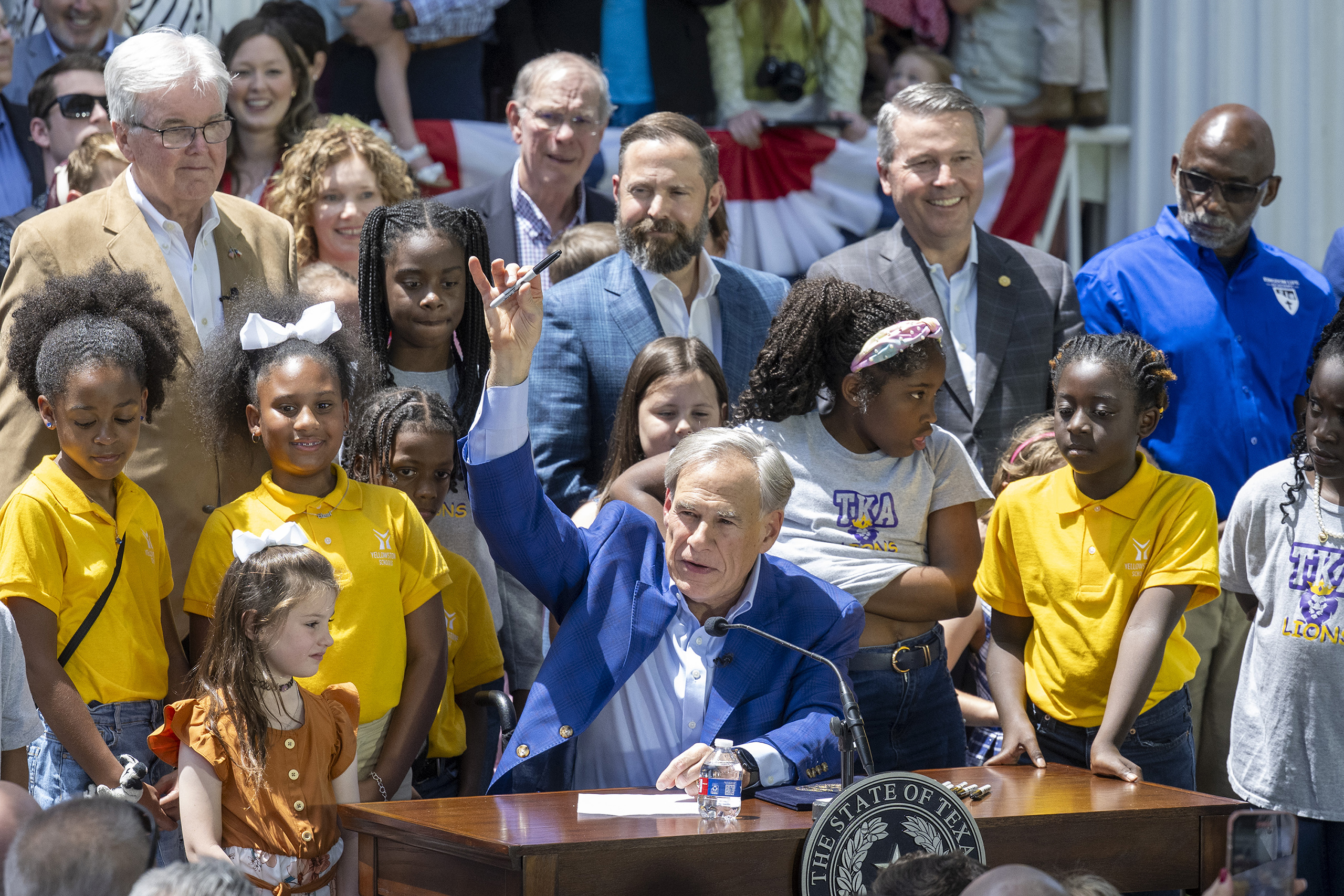
In Texas, a new voucher program has ignited a fiery debate, with starkly different visions for the future of Black students. While some see it as a lifeline to escape failing public schools, others fear it will siphon vital resources and perpetuate historical inequities. This fundamental disagreement is forcing educators and policymakers alike to confront the complex legacy of school choice and its potential impact on vulnerable student populations.
A Divided Path: Vouchers as Salvation or Segregation?
The core of the debate lies in the differing perspectives of two prominent Black Texans: Jennifer Lee, a former educator and advocate for public schools, and Kyev Tatum, a pastor and vocal proponent of school choice. Their opposing views highlight a deep chasm in how to best serve Black children in a state grappling with persistent academic achievement gaps and historical injustices.
Lee views the voucher program with deep skepticism, drawing parallels to historical attempts to undermine public education and segregate students. She fears the program will drain public schools, which serve a majority of Hispanic and Black students, while benefiting predominantly white private institutions, ultimately worsening educational outcomes for those left behind.
"It’s impossible to research a school choice program and not come away understanding that it has been detrimental almost everywhere it’s touched."
Tatum, on the other hand, sees vouchers as a necessary tool to empower Black families. He argues that public schools have consistently failed Black children, and vouchers offer a pathway to establish and support Black-led private schools that can provide a culturally relevant and nurturing environment. For Tatum, the choice is about agency and escape from a system he believes is fundamentally broken for Black students.
"There’s not one person in the whole entire country who can look me in the eye and tell me that public schools have done right by Black kids," Tatum stated passionately.
The Shadow of History: Vouchers and Texas's Segregationist Past
The current voucher debate in Texas is inextricably linked to the state's history. As early as 1957, lawmakers proposed voucher-like plans as a means to circumvent desegregation mandates following the landmark Brown v. Board of Education decision. This historical context fuels much of the apprehension surrounding the program's potential to reintroduce, or at least reinforce, segregationist practices.
Lee points to this history as evidence that the underlying intent of voucher programs can be to undermine public education and create separate, unequal systems. She questions the morality of supporting an initiative with roots in resisting racial integration, especially when Black children continue to face significant academic and disciplinary disparities in public schools.
The demographic shifts in Texas further complicate this historical narrative. Hispanic students now form the majority in public schools, yet Black children, though a smaller percentage of the student population, continue to lag furthest behind academically and face disproportionately harsher disciplinary actions. This reality underscores the urgency for solutions but also raises questions about whether vouchers are the right approach.
Public Schools Under Strain: The Financial Implications of Vouchers
A significant concern for public education advocates like Jennifer Lee is the financial impact of vouchers on already under-resourced public schools. Texas public schools rely heavily on per-student funding, meaning that as students utilize vouchers to attend private schools, public institutions lose crucial revenue.
While mass student exodus from public schools to private options has not been a widespread phenomenon in other states with voucher programs, critics worry the Texas program could grow and lead to substantial budget cuts for public schools. This potential loss of funding could exacerbate existing challenges, leading to larger class sizes, reduced staffing, and fewer resources for the students who remain.
According to the National Education Association, Texas ranks poorly in average teacher salary and per-student spending. This data suggests that public schools are already operating with limited resources, making them particularly vulnerable to funding diversions.
The Unmet Needs of Black Students
Both Lee and Tatum agree that public schools in Texas have a long way to go in supporting Black students. Data consistently shows that majority-Black schools are more likely to receive lower academic ratings, and Black students perform at the lowest levels on standardized tests compared to other racial and ethnic groups. Graduation rates are lower, and dropout rates are higher for Black students.
Lee attributes these disparities primarily to inadequate resources and systemic inequities. She argues that underfunding public education creates a cycle of disadvantage that disproportionately affects Black children. This perspective suggests that investing more in public schools, rather than diverting funds, is the key to addressing these issues.
Tatum, however, believes that funding alone cannot fix a deeply ingrained "culture problem" within public schools. He points to instances of racial insensitivity and discriminatory disciplinary practices against Black students as evidence that the system itself is failing. For him, the problem is not just a lack of resources but a lack of respect and understanding for Black culture and identity within the educational environment.
The Promise and Peril of Private Education
Private schools, often the destination for students using vouchers, typically operate with fewer regulations than public schools. They are not generally required to accept all students, including those with disabilities, nor are they obligated to provide the same breadth of services that public schools offer, such as free meals, health care, and extensive special education support.
This raises concerns that the voucher program could create a two-tiered system of education. Wealthier families might be able to supplement voucher funds to access elite private schools, while public school students, particularly those from lower-income backgrounds, could be left in under-resourced institutions. Lee fears this scenario could widen the achievement gap and perpetuate the "school-to-prison pipeline" for Black and brown children.
Conversely, Tatum envisions private schools, potentially run by Black churches and educators, that are deeply aligned with the values and cultural needs of Black students. He believes these institutions can foster a sense of belonging and academic excellence that has been missing in the public school system. The success of such schools, however, relies on robust financial management, curriculum development, and pedagogical expertise, areas where critics like Noliwe Rooks caution that simply establishing "Black schools" might not be sufficient without deep operational knowledge.
Navigating the Future: Actionable Insights for Educators
Regardless of one's stance on vouchers, the debate underscores the urgent need for educators to adapt and innovate. The challenges faced by Black students, and indeed all students, demand a proactive and informed approach. Here are some ways educators can respond to the evolving educational landscape:
- Enhance Culturally Responsive Teaching: Integrate diverse perspectives and histories into the curriculum, ensuring that all students see themselves reflected in their learning. Tools like Mentofy AI teaching tools can assist in generating diverse lesson materials.
- Leverage Technology for Engagement: Utilize interactive tools to make learning more dynamic and accessible. Consider incorporating MentofyCove classroom games to foster engagement and reinforce learning in fun, competitive ways.
- Focus on Student Well-being: Address the social and emotional needs of students, creating a supportive and inclusive classroom environment. MentofyGroups can help with smart student grouping and icebreakers to build community.
- Advocate for Equitable Resources: Stay informed about educational funding policies and advocate for the equitable distribution of resources to all schools.
- Foster Parent and Community Partnerships: Strengthen relationships with families and community members to create a collaborative support network for students.
The conversation around vouchers in Texas is far from over. As the state implements its new program, the experiences of its students, particularly Black children, will be closely watched. The hope is that regardless of the chosen educational path, the ultimate goal remains the same: to provide every child with the opportunity to thrive.
“The best education is an investment.”
The effectiveness and equity of the voucher program will ultimately be judged not just by parental satisfaction, but by tangible improvements in academic outcomes for all students, especially those who have historically been underserved. The path forward requires a commitment to robust data collection, critical analysis, and a willingness to adapt strategies to ensure that every child in Texas has access to a high-quality education.





 Explore AI Teaching Tools
Comments (0)
Please login to comment
No comments yet
Be the first to comment on this article