
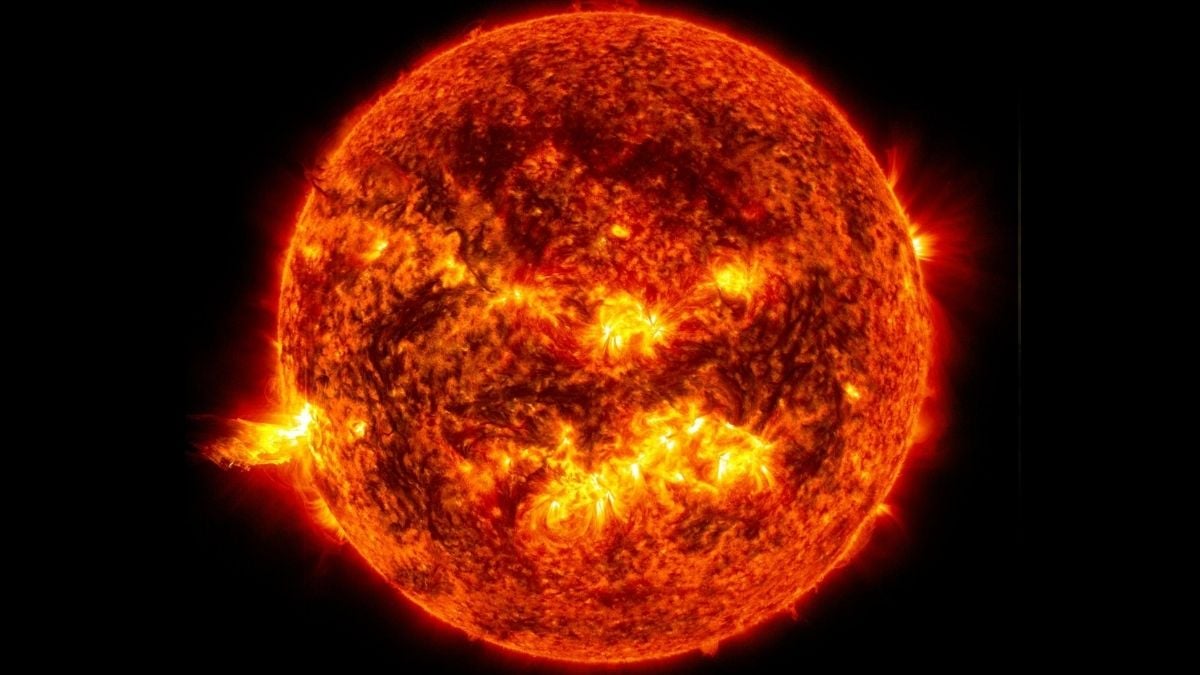
The sun has just unleashed the longest radio burst we've ever witnessed, a cosmic event that took four spacecrafts working in tandem to fully capture. This isn't just a fascinating astronomical anomaly; it's a potent reminder of the powerful, unpredictable forces that shape our universe and, by extension, the learning environments educators strive to cultivate. Understanding these vast, dynamic systems can offer profound insights into fostering resilience, adaptability, and curiosity in our students.
When the Universe Sends a Signal: Implications for Educators
This unprecedented solar event, a sustained burst of radio waves, underscores the sheer scale and complexity of natural phenomena. For educators, it’s a compelling metaphor for the constant flux and unexpected challenges that can arise in the classroom. We must be prepared to adapt our strategies when the "solar flares" of student engagement or unexpected learning hurdles appear.
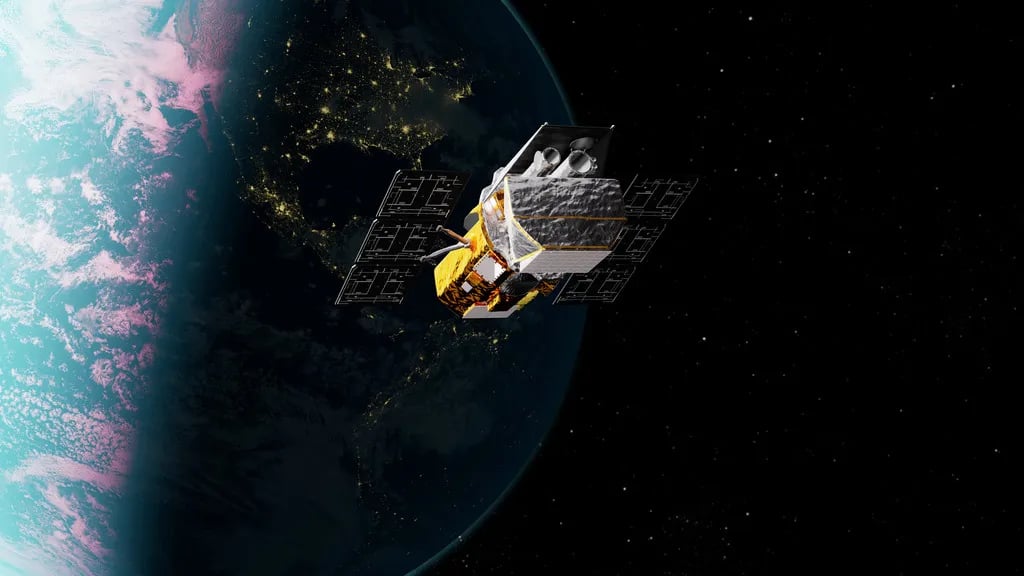
The synchronized effort of four spacecraft highlights the importance of collaboration and diverse perspectives in understanding complex issues. In education, this translates to the power of professional learning communities, shared best practices, and leveraging technology to connect educators across distances. No single tool or approach can capture the full picture of student learning; it requires a multifaceted, coordinated effort.
"This longest radio burst ever recorded is a testament to the dynamic nature of our solar system, a constant reminder that even the most familiar celestial bodies can surprise us."
The energy released in such an event is immense, capable of impacting technology and even life on Earth. While the direct impact on our classrooms is negligible, the indirect lessons are significant. It prompts us to consider the "energy" we bring into our teaching – the passion, the innovation, and the sheer force of will required to ignite young minds. How can we harness and direct this energy effectively?
Navigating the Cosmic Classroom: Strategies for a Dynamic Learning Environment
Just as scientists needed multiple instruments to comprehend the solar burst, educators need a diverse toolkit to address the varied needs of their students. Relying on a single teaching method is akin to using one telescope to observe the sun – it provides only a partial view.
The sheer duration of this burst also speaks to sustained phenomena. In education, this means fostering not just moments of intense learning, but building enduring curiosity and a love for lifelong learning. How do we create learning experiences that resonate long after the lesson has ended?
Harnessing the Power of Engagement
The energy of the sun's burst can be compared to the spark of engagement in a classroom. When students are captivated, their learning potential is amplified. Interactive tools can help create these moments of intense focus and participation.
- Leverage interactive platforms: Tools that allow for real-time participation, like MentofyCove classroom games, can transform passive learning into active discovery.
- Incorporate diverse question formats: Moving beyond simple recall, incorporating varied question types in assessments and activities keeps students on their intellectual toes.
- Foster collaborative learning: Group projects and discussions, facilitated by smart student grouping tools, mimic the collaborative spirit needed to understand complex phenomena.
Adapting to Unforeseen Events
The unexpected nature of such a powerful solar event is a potent reminder for educators to be prepared for the unpredictable. Student misunderstandings, technological glitches, or sudden shifts in classroom dynamics are all part of the educational landscape.
The ability to pivot and adapt instructional strategies is crucial. This might involve having backup activities ready or being flexible enough to delve deeper into a student's question, even if it deviates from the planned lesson. It took four spacecraft to capture the full picture, and it often takes multiple approaches to reach every learner.
The Long View: Sustaining Educational Momentum
The longest radio burst we've ever seen didn't happen overnight; it was a culmination of solar activity. Similarly, sustained student success is built on consistent effort and a long-term vision. We must think beyond the immediate lesson and consider how our teaching practices contribute to a student's ongoing educational journey.
This cosmic event also serves as a powerful analogy for the importance of data and observation in understanding complex systems. For educators, this means paying close attention to student progress, identifying patterns, and using insights to inform instruction. The development of AI tools for AI grading and analysis is becoming increasingly vital in this regard.
"The universe is constantly sending us signals, from the grandest solar flares to the subtlest shifts in planetary orbits. Our role as educators is to help students learn to read these signals, understand their implications, and use that knowledge to navigate their own paths."
Just as the four spacecraft provided complementary data to build a complete picture of the solar burst, a comprehensive approach to education involves integrating various tools and methodologies. This includes leveraging AI for tasks like AI lesson plan generation and using interactive displays like those found on MentofyBoards to keep students engaged and informed.
Ultimately, the universe's most powerful phenomena can teach us the most profound lessons. The longest radio burst ever seen is a spectacular display of cosmic power, and it offers us a unique opportunity to reflect on the power of our own educational endeavors. By embracing adaptability, collaboration, and a long-term perspective, we can ensure that our classrooms are dynamic, engaging, and truly illuminating spaces for every learner.





 Explore AI Teaching Tools
Comments (0)
Please login to comment
No comments yet
Be the first to comment on this article