
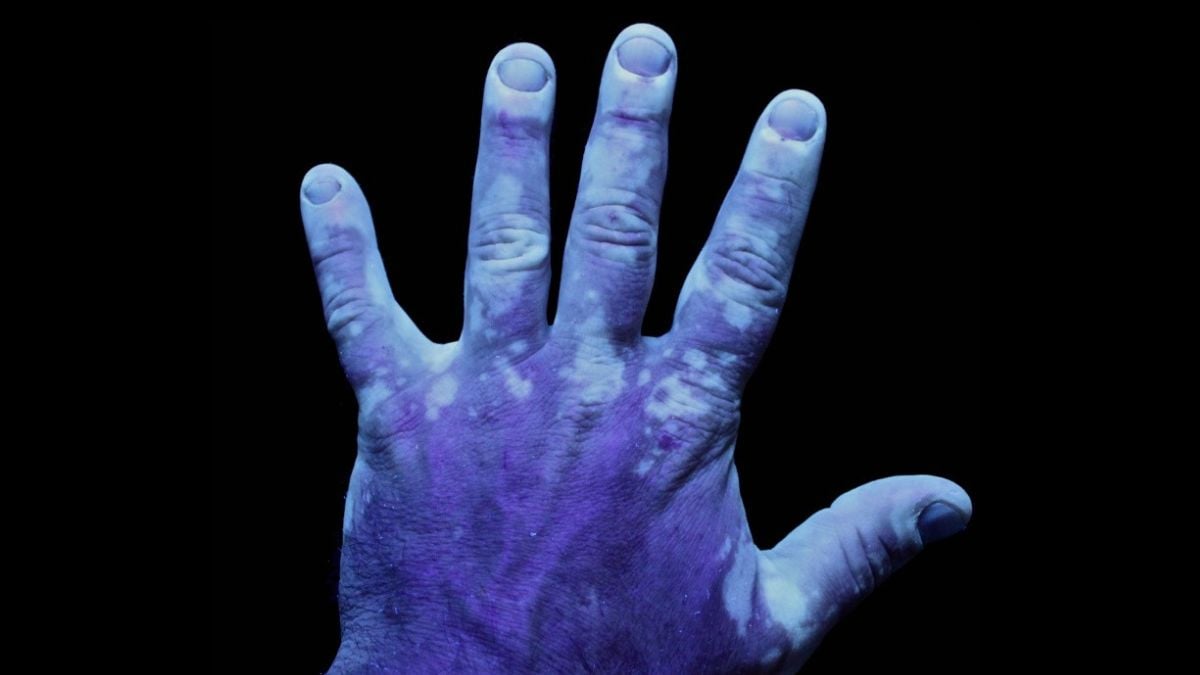
One in every 100 individuals lives with a chronic skin condition, a statistic that often surprises educators. While seemingly a physical ailment, the reality of managing such a condition in a classroom setting runs deeper than surface-level discomfort. It impacts student confidence, social interactions, and even their ability to focus, presenting unique challenges that educators must thoughtfully address.
When Visible Differences Become Invisible Barriers
The prevalence of common skin conditions like eczema or psoriasis is significant, yet the conversation around them in educational spaces remains surprisingly hushed. This silence often stems from a societal stigma that equates visible differences with something to be hidden or ashamed of, rather than understood and accommodated.
For students, this stigma can manifest as anxiety about physical symptoms, fear of judgment from peers, or even avoidance of activities that might draw attention to their skin. This internal struggle can distract from learning, making it harder to engage with lessons and participate fully in classroom life.
"A 2023 survey of over 1,500 parents of children with chronic skin conditions revealed that 65% reported their child experiencing social exclusion or bullying related to their condition."
Educators play a crucial role in dismantling this stigma by fostering an environment of empathy and acceptance. Simple awareness can be the first step in creating a more inclusive space where every student feels seen and valued, regardless of their physical presentation.
The Ripple Effect: Beyond the Physical Symptoms
It’s a mistake to think that a skin condition only affects a student physically. The emotional and psychological toll can be profound, impacting self-esteem and mental well-being. Constant itching, discomfort, or visible flare-ups can lead to sleep deprivation, which in turn affects concentration and academic performance.
Furthermore, the need for frequent medical attention, medication application, or specific dietary considerations can disrupt a student's routine and create logistical hurdles. These aren't minor inconveniences; they are significant factors that can influence a student's daily experience and their capacity to thrive academically.
Navigating the Practicalities of Classroom Life
Educators might encounter situations where a student needs to leave the classroom for medication, or where their condition requires specific environmental adjustments. Understanding these needs and responding with sensitivity is paramount. This might involve:
- Creating a discreet space for students to apply topical treatments if needed.
- Ensuring easy access to water for handwashing, which can be crucial for managing certain conditions.
- Being mindful of classroom temperature and humidity levels, as these can sometimes exacerbate skin issues.
- Communicating with parents or guardians to understand specific triggers or management strategies.
These seemingly small accommodations can make a world of difference in a student's comfort and ability to focus on their studies. It demonstrates that their well-being is a priority, helping to alleviate the burden of managing their condition alone.
Fostering Empathy: Tools for a Supportive Classroom
Building a classroom culture that actively combats stigma requires proactive strategies. Instead of waiting for issues to arise, educators can integrate lessons on diversity, empathy, and understanding differences into their curriculum.
Leveraging interactive tools can make these sensitive topics more accessible and engaging for young learners. For instance, using MentofyCove classroom games focused on empathy or social-emotional learning can help students understand and appreciate diverse experiences.
"A 2024 study in the Journal of Educational Psychology found that classrooms with explicit discussions on empathy showed a 20% reduction in reported incidents of peer-related anxiety among students with visible differences."
Moreover, educators can utilize resources like Mentofy AI teaching tools to develop lesson plans that address diversity and inclusion in creative ways, perhaps even incorporating age-appropriate discussions about invisible and visible differences.
The Educator's Role in Shifting Perceptions
Your classroom is a microcosm of society. By actively promoting understanding and challenging misconceptions about skin conditions, you are not only supporting the affected students but also educating all students to become more compassionate and informed individuals.
This proactive approach can involve:
- Initiating age-appropriate conversations about different types of bodies and how they function.
- Using literature or storytelling to explore themes of difference and acceptance.
- Modeling respectful language and behavior when discussing any health-related topic.
- Encouraging students to focus on each other's strengths and contributions, rather than physical attributes.
When educators take the lead in normalizing discussions around conditions that carry a stigma, they empower students to do the same. This creates a more resilient and supportive community within the school walls.
Looking Ahead: A More Inclusive Educational Landscape
The challenge of addressing the stigma around common skin conditions in schools is ongoing, but the potential rewards are immense. By equipping ourselves with knowledge, empathy, and the right tools, we can create learning environments where every student feels safe, understood, and empowered to reach their full potential.
This commitment to inclusivity extends beyond just managing immediate needs; it's about cultivating a generation that is more accepting and less prone to judgment. Tools like Mentofy AI lesson planning can assist educators in crafting nuanced and sensitive content, while Mentofy is free for teachers, offering accessible solutions for all.







 Explore AI Teaching Tools
Comments (0)
Please login to comment
No comments yet
Be the first to comment on this article