
Transforming Early Education: The Rise of Subject-Specific Teaching for Young Students
Imagine a classroom where young learners, as early as six or seven years old, transition between subjects, much like their older peers in middle school.This innovative approach, known as departmentalization or platooning, is gaining traction in elementary schools across the globe, aiming to elevate the quality of instruction, particularly in subjects like math.
At Mentofy, we believe in exploring and sharing cutting-edge educational strategies that empower both students and teachers.
This article delves into the mechanics, benefits, and considerations of departmentalizing early elementary classrooms, offering valuable insights for educators, parents, and students alike.
The Shift Towards Specialized Instruction in Elementary Schools
For decades, the traditional model of a single teacher instructing a group of students in all core subjects has been the norm.However, as educational landscapes evolve and the demands on teachers increase, a growing number of schools are re-evaluating this structure.
The core idea behind departmentalization is to leverage the expertise of teachers by allowing them to focus on one or two subject areas.
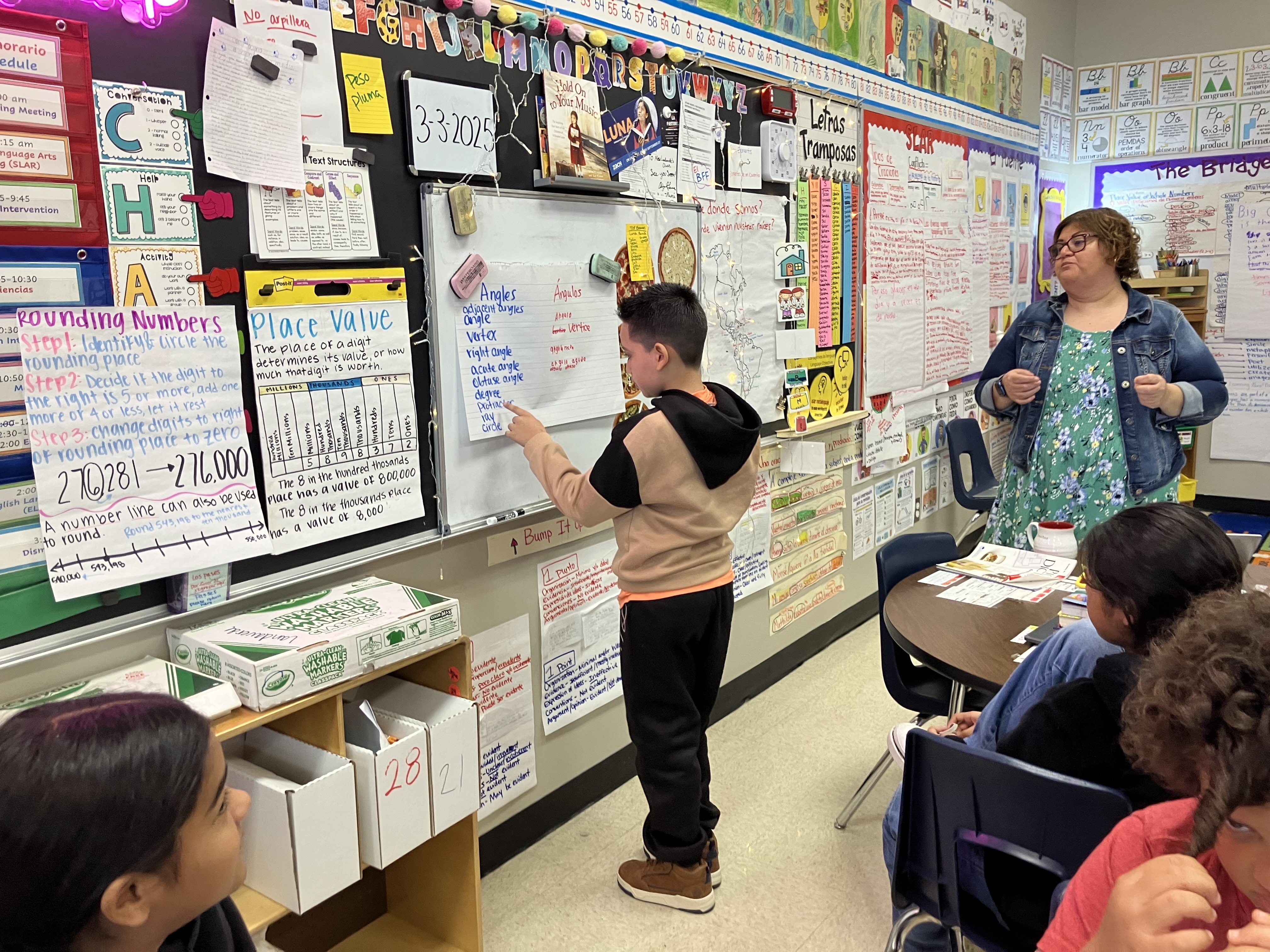
This specialization is particularly relevant for subjects like math, where research indicates some early elementary teachers may experience anxiety or a lack of confidence, potentially impacting their effectiveness.
By entrusting math instruction to a teacher who is deeply knowledgeable and passionate about the subject, schools aim to foster a more robust understanding and a more engaging learning experience for every student.
This shift is not just about improving test scores; it's about cultivating a deeper, more nuanced understanding of complex topics from an early age.
The Rationale Behind Teacher Specialization
The pressure on teachers to be experts in multiple, often rapidly evolving, curriculum areas can be immense.Modern educational standards, especially in math and English language arts, have become increasingly intricate.
Departmentalization addresses this by allowing educators to dedicate their professional development and instructional planning to a narrower scope.
This focused approach means teachers can delve deeper into the intricacies of their chosen subjects, develop more innovative teaching methodologies, and stay abreast of the latest pedagogical advancements.
For students, this translates to learning from an instructor who is not only proficient but also enthusiastic about the material, creating a more dynamic and inspiring classroom environment.
This is especially crucial for math, where a confident and skilled teacher can demystify complex concepts and build a strong foundation for future academic success.
Exploring the Mechanics of Departmentalized Elementary Classrooms
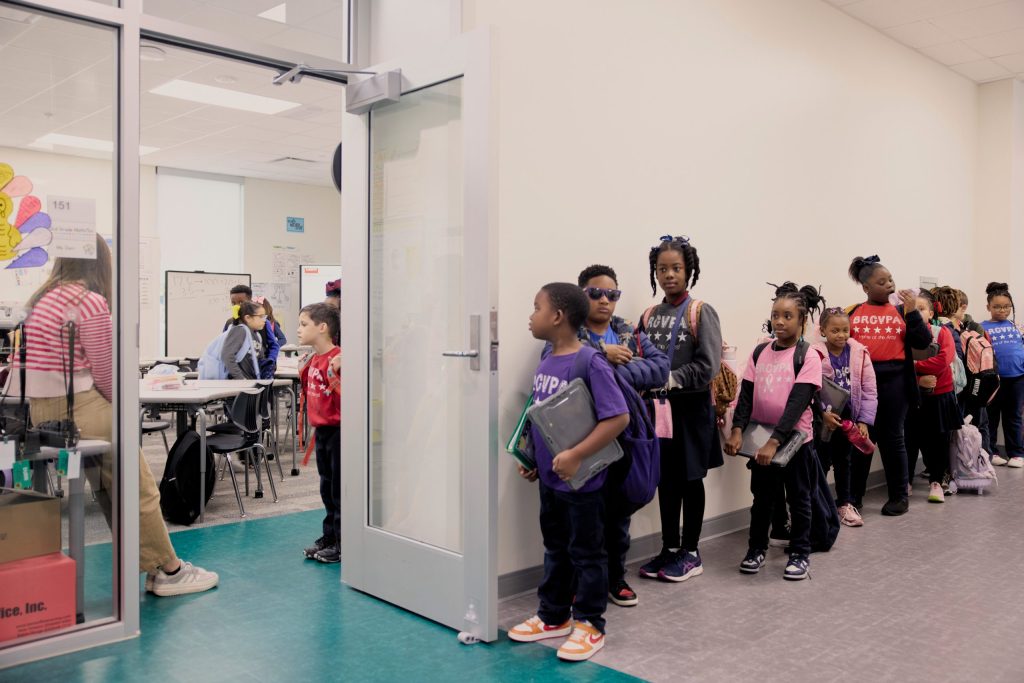
In a departmentalized elementary school setting, students typically move between classrooms for different subjects.For instance, a second-grade student might spend their morning with one teacher for math and science, and then transition to another teacher's classroom for English language arts and social studies.
This model often involves a team-teaching approach, where two teachers collaborate closely to ensure a cohesive learning experience for their shared group of students.
The transition between classes is usually brief, often taking less than five minutes, and is carefully orchestrated to minimize disruption to instructional time.
This structured movement allows for efficient use of the school day and ensures that students receive specialized instruction in each core subject.
Structuring the School Day for Young Learners
The implementation of departmentalization at the elementary level requires careful planning to accommodate the developmental needs of younger students.Schools that successfully employ this model often structure the day so that students spend a significant block of time with each subject specialist.
For example, a math and science block might last for a couple of hours, followed by a break and then an English language arts and social studies block.
This ensures that students have ample time to engage with the material and participate in hands-on activities without feeling rushed.
The visual design of modern school facilities often supports this model, with classrooms featuring large windows that allow teachers to observe students transitioning in the hallways, fostering a sense of order and preparedness.
This careful choreography of the school day is essential for making departmentalization a positive experience for young students.
The Impact of Departmentalization on Student Learning
The primary objective of departmentalization is to enhance student academic achievement.By having teachers who specialize in their respective subjects, schools aim to deliver more effective and engaging instruction.
This is particularly beneficial for subjects like math, where a teacher's expertise can make a significant difference in a student's comprehension and retention.
Studies have shown mixed results regarding the impact of departmentalization on test scores, with some indicating positive gains in certain subjects, while others show less pronounced effects, particularly in math.
However, many educators report that even if direct test score improvements are not always dramatic, the quality of instruction and student engagement often see a notable uplift.
The ability of teachers to focus on their strengths allows them to create more targeted and impactful lessons, which can lead to a deeper understanding of the curriculum for all students.
Boosting Math Proficiency Through Specialized Teaching
The challenges in math education are a significant concern for many school districts.Departmentalization offers a potential solution by ensuring that math instruction is delivered by teachers who are not only proficient but also passionate about the subject.
This passion can be infectious, inspiring students to approach math with greater confidence and curiosity.
When teachers are free from the burden of mastering multiple, diverse subject areas, they can dedicate more time to developing creative math lessons, utilizing a variety of teaching tools, and addressing individual student needs.
This focused approach can help to combat math anxiety and build a strong foundation in mathematical concepts, which is crucial for success in higher grades and beyond.
The goal is to make math accessible and enjoyable for every student, regardless of their initial aptitude.
Addressing the Challenges and Considerations of Departmentalization
While departmentalization offers numerous potential benefits, it is not without its challenges.One of the primary concerns, especially for younger children, is the potential for reduced teacher-student bonding.
In a self-contained classroom, a single teacher spends the entire day with a group of students, fostering a strong sense of community and allowing for a deeper understanding of each child's social and emotional needs.
Departmentalization, by nature, means teachers interact with more students but for shorter periods, which can make it harder to build those deep, personal connections.
This is a significant factor that schools must carefully consider when implementing this model for very young students.
The Importance of Teacher-Student Relationships
The nurturing aspect of the teacher-student relationship is paramount for young learners.The consistent presence of a single, caring adult can provide a sense of security and stability that is vital for their development.
When students move between multiple teachers, the opportunity for this deep, consistent connection may be diminished.
Educators who have taught in both self-contained and departmentalized settings often express a fondness for the "family" atmosphere of the former, where they could more easily address the holistic needs of their students.
While departmentalization allows teachers to focus on content expertise, it's essential to find ways to maintain and foster strong relationships with students, even within a more specialized instructional framework.
This might involve dedicated time for relationship-building activities or collaborative efforts between partner teachers.
The Role of Teacher Expertise and Passion
The success of departmentalization hinges significantly on the expertise and passion of the teachers involved.When educators specialize in subjects they are most comfortable with and genuinely enjoy teaching, their enthusiasm can translate into more effective instruction.
This is particularly true for math, where a teacher's confidence and deep understanding can demystify complex concepts and inspire a love for the subject.
Principals often consider teacher performance data and subject matter comfort when assigning specializations.
The theory is that a teacher who is passionate about their subject is more likely to engage students, manage the classroom effectively, and deliver high-quality instruction.
This focus on teacher strengths is a cornerstone of the departmentalization model.
Fostering Collaboration and Professional Development
Effective departmentalization requires robust collaboration among teachers.Regular meetings between partner teachers and grade-level colleagues are essential for discussing student progress, aligning curriculum, and sharing best practices.
Furthermore, schools that departmentalize often implement structured professional development opportunities focused on specific subject areas.
This allows teachers to continuously enhance their expertise and stay current with pedagogical advancements.
For example, math teachers across different grade levels might meet quarterly to discuss teaching strategies and analyze student performance data.
This collaborative environment ensures that all teachers are working towards common goals and continuously improving their instructional delivery, ultimately benefiting every student.
Navigating the Transition: Practical Insights for Schools
Implementing departmentalization, especially for younger grades, requires a thoughtful and phased approach.Schools that have successfully transitioned often start with older grades and gradually introduce the model to younger students.
This allows educators and students to adapt to the new structure and identify any potential issues before a full-scale rollout.
A pilot program, for instance, can be an effective way to test the waters, with a commitment to revert to the traditional model if the departmentalized approach proves unsuccessful.
Open communication with teachers, parents, and students throughout the transition is crucial for building buy-in and addressing concerns proactively.
Adapting to Change: Lessons Learned from Schools
The experience of schools that have adopted departmentalization offers valuable lessons.For example, some schools have found that while departmentalizing kindergarten classes proved challenging due to the young age of the students and the difficulty in managing transitions, departmentalizing first and second grades has yielded positive results.
The key often lies in finding the right balance and ensuring that the implementation aligns with the developmental needs of the students.
Schools that prioritize strong communication, provide adequate support for teachers, and are willing to adapt their strategies based on feedback are more likely to achieve success with this innovative educational model.
The commitment to making this paradigm shift is essential for realizing its full potential.
Conclusion: A Glimpse into the Future of Early Education
The departmentalization of elementary classrooms, even for the youngest learners, represents a significant evolution in educational strategy.By allowing teachers to specialize in their areas of expertise, particularly in subjects like math, schools are striving to enhance the quality of instruction and boost student achievement.
While challenges related to teacher-student relationships and the adaptation of young children exist, the potential benefits of expert-led, focused instruction are compelling.
As more schools explore this model, the insights gained will continue to shape the future of early education, creating more effective and engaging learning environments for students worldwide.
At Mentofy, we champion such innovative approaches that empower learners and educators alike to reach their full potential.





 Explore AI Teaching Tools
Comments (0)
Please login to comment
No comments yet
Be the first to comment on this article