
Resident Assistants at Cal State: The Case for Unionization and Enhanced Student Support
Imagine juggling academic demands with the responsibility of being a mentor, mediator, and first responder for hundreds of your peers.
This is the reality for many resident assistants (RAs) in university housing.
While often lauded as student leaders, the complex and demanding nature of their role, coupled with a desire for clearer guidelines and better protections, is fueling a significant movement: the push for RAs to unionize.
This article explores the multifaceted reasons behind this growing demand, examining the challenges faced by RAs and the potential benefits that a collective voice could bring to both the assistants themselves and the broader student community.
1.
The Multifaceted Role of a Resident Assistant
The position of a resident assistant (RA) extends far beyond simple dorm supervision.
RAs are integral to fostering a positive and supportive living environment for students.
Their responsibilities are incredibly diverse, often requiring them to adapt to a wide array of situations, from organizing social events to addressing serious personal crises.
This dynamic nature of the role is a primary driver behind the calls for greater clarity and support.
Being an RA means embodying multiple personas throughout the day.
They are the architects of community, orchestrating ice cream socials and other approved gatherings designed to help students connect.
Simultaneously, they are tasked with managing the aftermath of less sanctioned student activities, often involving cleanup and de-escalation.
This duality highlights the significant emotional and practical labor involved in the position.
RAs often find themselves acting as confidantes, offering a listening ear and emotional support to students navigating the challenges of college life.
This role can quickly escalate to that of an emergency responder, particularly when dealing with students experiencing mental health crises or other urgent situations.
The scope of an RA's duties can vary dramatically based on the size of the residence hall and the specific student population it serves.
An RA in a smaller, quieter dorm might experience fewer disruptions, while another in a larger, more active building could be frequently called upon for assistance at all hours.
This inherent inconsistency in expectations and workload is a significant concern for many RAs.
Key Responsibilities and Challenges
- Community Building: Organizing social events, icebreakers, and floor activities to foster a sense of belonging among students.
- Conflict Resolution: Mediating disputes between roommates and addressing behavioral issues among residents.
- Support and Guidance: Providing a listening ear, connecting students with campus resources, and offering emotional support.
- Emergency Response: Acting as a first point of contact for medical emergencies, mental health crises, and safety concerns, often requiring immediate action and critical decision-making.
- Policy Enforcement: Ensuring residents adhere to housing rules and regulations.
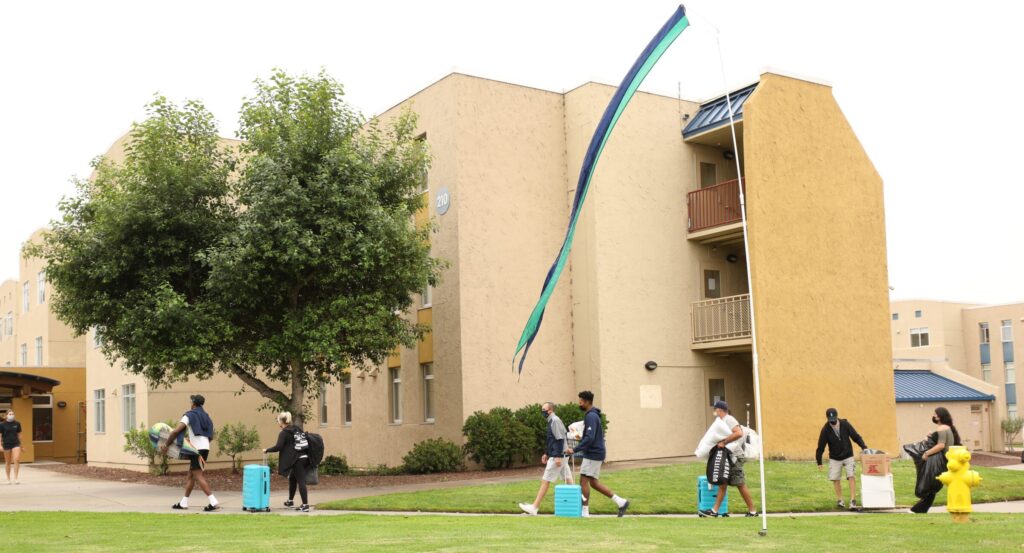
- Administrative Tasks: Completing paperwork, conducting room checks, and assisting with move-in and move-out processes.
The pressure to be constantly available and to handle a wide spectrum of issues, from minor inconveniences to life-threatening emergencies, places a considerable burden on RAs.
This constant state of readiness, combined with the emotional toll of dealing with difficult situations, can lead to significant stress and burnout.
The lack of clearly defined boundaries and support structures exacerbates these challenges, leaving many RAs feeling overwhelmed and undervalued.
2.
The Economic Realities and Compensation for Resident Assistants
A significant aspect of the debate surrounding RA unionization revolves around compensation and the nature of their benefits.
While RAs typically do not receive a direct salary, they are often compensated through valuable in-kind benefits, primarily free or reduced-cost housing and sometimes meal plans.
This form of compensation, while substantial, raises questions about its adequacy and the classification of RAs as employees versus student leaders.
For many students, the opportunity to serve as a resident assistant is a critical factor in their ability to afford higher education.
The value of free housing and a meal plan can be equivalent to a substantial financial award, making it possible for students from diverse socioeconomic backgrounds to attend university.
Without these benefits, some students might be forced to choose less expensive local community colleges or forgo higher education altogether.
This highlights the vital role RAs play not only in campus life but also in facilitating access to education.
However, the argument for unionization often centers on the idea that these benefits, while valuable, do not fully compensate for the extensive labor and responsibilities undertaken by RAs.
The lack of a traditional wage means that RAs do not accrue benefits like retirement contributions or have a clear hourly rate that reflects the actual time commitment.
Furthermore, the classification of these benefits as "financial aid" rather than wages by some institutions is a point of contention, as it can affect how these contributions are perceived and regulated.
Understanding RA Compensation Models
- In-Kind Benefits: The primary form of compensation, typically including free or significantly discounted on-campus housing.
- Meal Plans: Access to university dining facilities, often provided as part of the RA package.
- Stipends (Less Common): Some institutions may offer a small monetary stipend in addition to housing and meal benefits.
- Tax Implications: The fair market value of these in-kind benefits can be subject to taxation, adding another layer of complexity to the compensation structure.
The debate over whether RAs should be classified as employees or student leaders is central to the unionization effort.
If recognized as employees, RAs would be entitled to the same labor protections and rights as other university workers, including the right to collective bargaining.
This would allow them to negotiate for improved working conditions, clearer job descriptions, and more equitable compensation.
The potential for RAs to be considered "live-in student leaders" by institutions, as opposed to employees, often serves as a counter-argument to unionization, aiming to maintain the existing structure and avoid the complexities of labor negotiations.
3.
The Unionization Drive: Goals and Arguments
The movement for resident assistants to unionize is driven by a desire for greater professional recognition, improved working conditions, and enhanced support systems.
The core objective is to establish a collective voice that can advocate for the needs of RAs and ensure a more consistent and equitable experience for both RAs and the students they serve.
A primary goal of unionization is to achieve clearer definitions of RA responsibilities and expectations.
The current ambiguity surrounding the role can lead to situations where RAs are asked to perform tasks that fall outside their training or comfort level.
A union contract would provide a framework for outlining specific duties, hours of availability, and the types of support that RAs can expect from university administration.
This would not only benefit RAs by providing them with greater job security and predictability but also improve the overall student experience by ensuring that RAs are well-equipped and supported to fulfill their roles effectively.
Furthermore, unionization aims to address the inherent risks associated with the RA position.
Because RAs live in the very dorms they supervise, they are particularly vulnerable.
A dismissal, even if perceived as unfair, could result in the loss of their housing, creating a precarious situation.
Union representation would offer a mechanism for due process and protection against arbitrary termination, providing RAs with a greater sense of security.
Key Objectives of RA Unionization
- Defined Job Responsibilities: Establishing clear guidelines for the duties and expectations of RAs.
- Improved Working Conditions: Negotiating for better support, resources, and a more manageable workload.
- Enhanced Job Security: Protecting RAs from unfair dismissal and ensuring due process.
- Fair Compensation: Advocating for compensation that accurately reflects the labor and responsibilities of the role.
- Training and Development: Ensuring RAs receive comprehensive and ongoing training to handle the diverse challenges they face.
- Voice in Decision-Making: Providing RAs with a platform to contribute to policies and decisions that affect their roles and student housing.
The union's strategy often involves demonstrating a "community of interest" between RAs and other student workers who are already unionized.
By highlighting shared working conditions, job duties, and the common experience of being a student employee, the union aims to build a strong case for their inclusion in existing bargaining units.
This approach seeks to leverage the power of established labor organizations to advocate for the rights of RAs.
4.
Institutional Opposition and Counterarguments
The push for RA unionization is not without significant opposition from university administrations.
Institutions often present counterarguments that focus on the unique nature of the RA role, the potential negative impacts on the student experience, and the financial implications of unionization.
A common argument against unionization is that it would fundamentally alter the "peer-to-peer" relationship between RAs and residents.
universities contend that if RAs are viewed strictly as employees, it could create a more formal and less approachable dynamic, potentially hindering the organic community building that RAs are meant to foster.
The concern is that an RA operating under a union contract might be perceived as an authority figure rather than a fellow student and mentor, which could impact resident comfort and willingness to engage.
Another significant point of contention is the classification of RA benefits.
Institutions often maintain that the housing and meal credits provided to RAs are a form of financial aid or a perk of student leadership, rather than wages.
They argue that converting these benefits into taxable income would impose a financial burden on RAs and that the overall value of these in-kind contributions is substantial, potentially reaching tens of thousands of dollars annually.
This perspective frames the union's demands as potentially detrimental to the RAs themselves by introducing tax liabilities.
Common Institutional Objections
- Detrimental Effects on Students: The claim that unionization would negatively impact the student experience and the peer-to-peer dynamic.
- Classification of Benefits: Arguments that housing and meal credits are financial aid or perks, not taxable wages.
- Increased Costs and Complexity: Concerns about the financial implications of union contracts and the administrative burden of negotiations.
- Jeopardizing Peer Relationships: The assertion that formal employment status would undermine the collegial nature of RA roles.
- Inconsistency of Duties: Using the variability in RA responsibilities as an argument against a unified "community of interest" for unionization.
Institutions also raise concerns about the practicalities of unionizing RAs.
They argue that the lack of standardized duties and hours makes it difficult to establish a consistent bargaining unit.
The argument is that if there are no set expectations or hours for RAs, then the premise of a shared "community of interest" with other student assistants is weakened.
This perspective suggests that the very nature of the RA role, with its inherent flexibility and adaptability, is incompatible with the structured framework of a union contract.
5.
The Broader Implications for Student Workers and Higher Education
The unionization efforts of resident assistants are part of a larger trend of student workers seeking greater rights and protections within higher education institutions.
As more student employees recognize the value of collective bargaining, the landscape of labor relations in universities is evolving.
The success of RA unionization could have a ripple effect across campuses nationwide.
It could inspire other groups of student workers, such as resident advisors, peer tutors, and campus event staff, to explore similar avenues for collective action.
This trend reflects a growing awareness among students about their rights and the potential for unions to improve their working conditions, compensation, and overall well-being.
The inclusion of RAs into existing student assistant unions, for instance, demonstrates a growing solidarity among various student employee groups.
Moreover, the debate over RA unionization highlights critical questions about the role and responsibilities of students in university operations.
It forces institutions to critically examine how they define and compensate student labor, and whether the current models adequately reflect the contributions and challenges faced by these individuals.
The argument that RAs are "live-in student leaders" versus employees is a fundamental distinction that impacts labor rights and protections.
Impact on the Higher Education Landscape
- Empowerment of Student Workers: Encouraging a broader movement for student worker rights and fair labor practices.
- Rethinking Compensation Models: Prompting universities to re-evaluate how they value and compensate student labor.
- Improved Student Support Systems: Potentially leading to better-trained and more supported RAs, which in turn enhances the student living experience.
- Increased Transparency: Driving greater clarity and transparency in job descriptions, expectations, and grievance procedures for student employees.
- Strengthened Collective Bargaining: Contributing to the growth and influence of student worker unions in higher education.
Ultimately, the unionization of resident assistants is not just about securing better terms for a specific group of students.
It is about fostering a more equitable and supportive environment within higher education, where all student workers are recognized for their contributions and have a voice in shaping their working conditions.
The ongoing dialogue and potential outcomes of these unionization efforts will undoubtedly shape the future of student employment and labor relations in universities for years to come.
Conclusion
The drive for resident assistants to unionize at institutions like Cal State is a complex issue rooted in the demanding and multifaceted nature of their role.
RAs perform critical functions that extend far beyond basic supervision, acting as community builders, mediators, and crucial support systems for their peers.
The current system, where RAs often receive compensation primarily through in-kind benefits like housing and meal plans, coupled with a lack of clearly defined responsibilities, creates significant challenges and vulnerabilities.
While institutions often express concerns about the impact of unionization on peer relationships and the financial implications, the arguments for unionization center on the need for professional recognition, improved working conditions, enhanced job security, and a more equitable system of compensation.
The potential success of these unionization efforts signifies a broader movement among student workers to advocate for their rights and contribute to a more just and supportive higher education environment for all students.






 Explore AI Teaching Tools
Comments (0)
Please login to comment
No comments yet
Be the first to comment on this article