
The Healing Power of Arts Education: Guiding Children Through Trauma
In the wake of profound adversity, the journey of healing for children can be long and complex.While physical recovery often takes precedence, the emotional and psychological scars left by traumatic events require dedicated attention.
This is where the transformative potential of arts education emerges, offering a unique and powerful pathway for young minds to process grief, fear, and loss, fostering resilience and a renewed sense of hope.
Unveiling the Impact of Trauma on Children
Traumatic experiences, whether sudden and catastrophic or chronic and insidious, can profoundly disrupt a child's development.The effects are far-reaching, impacting their emotional regulation, cognitive function, and social interactions.
When children face overwhelming events, their brains can become locked in a state of heightened alert, a persistent fight-or-flight response that hinders their ability to learn, connect, and thrive.
Research indicates that children exposed to trauma may exhibit a range of difficulties.
These can include:
- Struggles with social integration in educational settings.
- Decreased academic performance and engagement.
- Increased likelihood of disciplinary actions, including suspensions and expulsions.
- Potential involvement with child welfare and juvenile justice systems.
The lingering effects of trauma can manifest in delayed reactions, with some children openly expressing their distress while others internalize their struggles, making their needs harder to identify.
This underscores the critical need for sensitive and effective interventions that address the deep-seated impact of these experiences.
The Arts as a Sanctuary for Healing
The creative process, inherent in various art forms, offers a non-verbal and instinctual avenue for children to express what words may fail to capture.Arts education provides a safe and structured environment where young individuals can explore their emotions, reconstruct their narratives, and begin to mend.
The inherent nature of artistic creation allows for a departure from the immediate threat or memory of trauma, enabling a focus on the present moment and the act of creation itself.
Theater: A Stage for Emotional Expression
Theater, in particular, serves as a powerful restorative practice.Through role-playing, improvisation, and storytelling, children can safely explore different perspectives, process complex emotions, and develop empathy.
The collaborative nature of theater builds a bond of mutual respect and trust among participants as they observe, support, and engage with each other's performances.
This shared experience cultivates a sense of belonging and reduces the isolation that often accompanies trauma.
Teaching artists who specialize in theater arts understand how to disrupt the ingrained fight-flight-freeze cycle often associated with trauma.
By engaging students on an instinctual level, they help unlock suppressed emotions and foster a more balanced emotional state.
The act of co-creating a story, making each other laugh, and sharing vulnerability on stage can transform a tense environment into one of safety and acceptance.
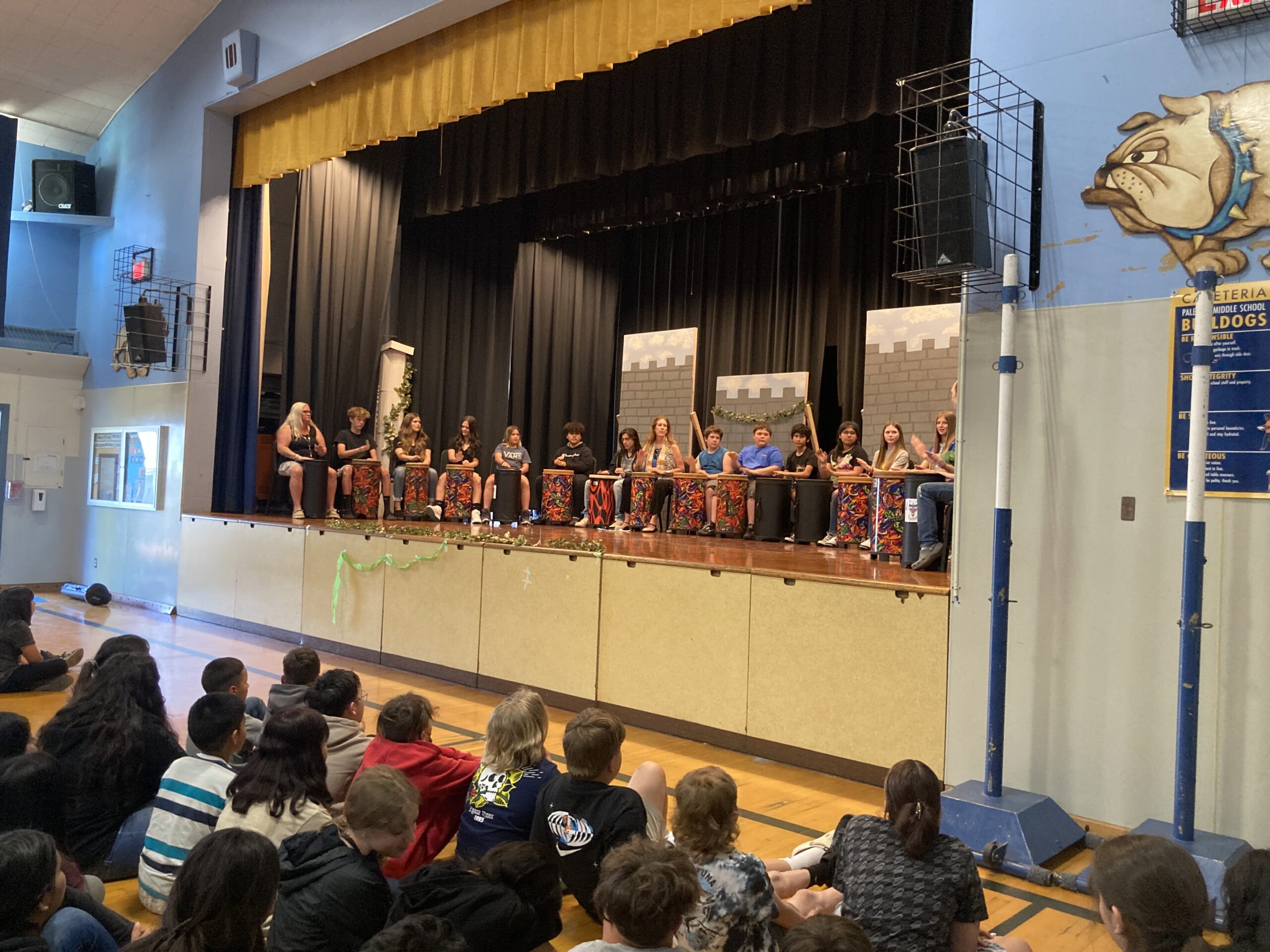
Drumming: Rhythms of Resilience
The visceral and immediate nature of drumming offers another profound avenue for healing.The rhythmic call-and-response inherent in drum circles creates a powerful sense of community and shared experience.
Drumming engages the brain in a way that can momentarily override feelings of fear, pain, and sadness, anchoring participants in the present moment.
This form of arts education is particularly effective in helping children find redemption and self-expression.
The act of creating sound, of contributing to a collective rhythm, allows for catharsis and a release of pent-up emotions.
It fosters a sense of agency and empowerment, as children discover their voice and their ability to contribute to something larger than themselves.
The focus required for drumming also helps to calm an overstimulated nervous system, promoting a sense of peace and focus.
Arts Education in Action: Addressing Community Trauma
The devastating impact of natural disasters, such as wildfires, highlights the critical role of arts education in supporting communities grappling with widespread trauma.In areas that have experienced significant loss and displacement, the emotional aftermath can linger long after the immediate crisis has passed.
Arts programs can serve as a vital resource for helping children and families navigate these complex emotional landscapes.
In the aftermath of significant events, communities often face compounding challenges, including demographic shifts, increased homelessness, and economic instability.
These factors can exacerbate existing vulnerabilities, such as poverty and addiction, further intensifying the sense of trauma.
In such contexts, arts education becomes not just a supplementary activity, but an essential component of community recovery and resilience-building.
Building Community and Belonging Through the Arts
Arts and music have a unique ability to nurture a visceral feeling of belonging, which is crucial for combating the isolation that often follows tragic events.This sense of connection is vital for overall well-being and can provide much-needed relief, especially in the wake of widespread disruptions like pandemics.
When children feel a sense of belonging and are engaged in meaningful activities, they are better equipped to heal and to develop the readiness needed for learning.
Arts education, therefore, plays a dual role: it facilitates emotional healing and creates an environment conducive to academic and social growth.
This holistic approach ensures that children are supported in all aspects of their development.
The Broader Scope: Arts Education for All Children
While the need for arts education in trauma-informed contexts is particularly acute, its benefits extend to all children.In an era marked by increasing stressors and mental health challenges, the arts offer a universal language for expression, connection, and emotional development.
The skills fostered through arts education—creativity, critical thinking, collaboration, and communication—are essential for navigating the complexities of the modern world.
The integration of arts education into school curricula can help combat issues such as chronic absenteeism and declining academic engagement.
By making learning more joyful, relevant, and experiential, the arts can re-ignite a passion for education in a generation that has faced unprecedented challenges.
The arts provide a vital outlet for self-discovery and can help children develop a deeper understanding of themselves and the world around them.
Fostering Social-Emotional Learning Through the Arts
Social-emotional learning (SEL) is a cornerstone of a child's development, and arts education is a powerful vehicle for its cultivation.Through artistic endeavors, children learn to identify and manage their emotions, develop self-awareness and self-confidence, build positive relationships, and make responsible decisions.
For example, the collaborative nature of many art forms encourages children to listen to others, take turns, and work towards a common goal.
This fosters empathy and understanding, crucial skills for building healthy relationships and contributing positively to society.
The arts provide a safe space for children to practice these skills, making them more adept at navigating social situations and resolving conflicts.
The Transformative Power of Creative Engagement
The profound impact of arts education on children's well-being and development is increasingly recognized.Studies indicate that consistent engagement with the arts can lead to significant improvements in a child's emotional regulation, cognitive abilities, and overall sense of self.
The ability to express oneself creatively, to engage in imaginative play, and to connect with others through shared artistic experiences are fundamental to a child's healthy growth.
When children are given the opportunity to explore their creativity, they develop a greater capacity for problem-solving and innovation.
They learn to approach challenges with a more flexible and open mindset.
This is particularly important in today's rapidly changing world, where adaptability and creative thinking are highly valued.
Practical Applications of Arts-Based Healing
The principles of trauma-informed arts education can be applied in various settings, from schools and community centers to therapeutic environments.The key is to create spaces where children feel safe, supported, and empowered to express themselves.
This can involve:
- Incorporating visual arts activities that allow for symbolic representation of feelings.
- Utilizing music and movement to release physical tension and promote emotional expression.
- Engaging in storytelling and creative writing to help children process their experiences.
- Facilitating group art projects that foster collaboration and a sense of shared purpose.
The goal is not necessarily to produce professional artists, but to leverage the inherent power of the creative process to facilitate healing, build resilience, and foster a greater sense of well-being in children who have experienced trauma or adversity.
Conclusion: Embracing the Arts for a Brighter Future
The evidence overwhelmingly suggests that arts education plays a vital role in helping children heal from trauma and navigate life's challenges.By providing a safe, expressive, and engaging outlet, the arts empower young minds to process difficult emotions, build resilience, and foster a sense of hope.
The transformative power of creativity extends beyond individual healing, contributing to stronger communities and a more compassionate society.
Investing in arts education is an investment in the well-being and future of our children, equipping them with the tools they need to thrive, even in the face of adversity.





 Explore AI Teaching Tools
Comments (0)
Please login to comment
No comments yet
Be the first to comment on this article