
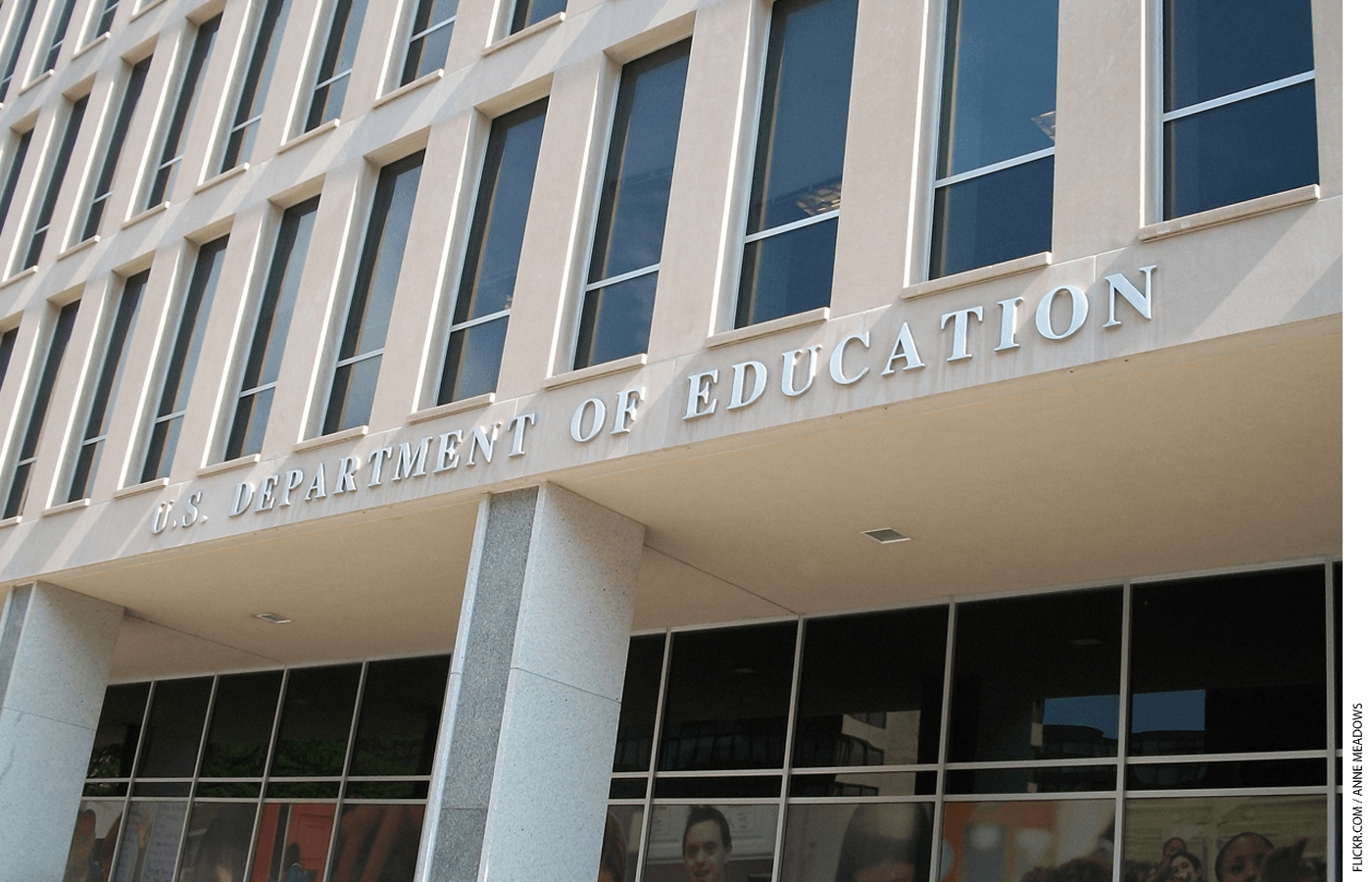
Navigating the Landscape of Education: A Comprehensive Guide to Learning Programs and Departments
Embarking on a learning journey is a pivotal step for individuals and societies alike.Understanding the intricate web of educational institutions, their programs, and the departments that shape them is crucial for unlocking potential and fostering growth.
This guide delves into the multifaceted world of education, exploring how various entities contribute to the learning ecosystem and how you can leverage these resources for your own development.
1.
The Evolution of Educational Governance: From Conception to Current Structures The establishment of dedicated government bodies for education was not a sudden event but a gradual realization of the importance of centralized oversight and support for learning.
Historically, educational initiatives were often fragmented, residing within broader governmental departments.
The creation of a distinct department focused on education represented a significant shift, aiming to consolidate efforts and provide a clearer pathway for educational advancement.
The journey to a unified department of education involved considerable debate and deliberation.
Many believed that education was best left to local authorities or other existing federal agencies.
However, proponents argued that a dedicated department would offer a more focused approach, enabling better resource allocation, policy development, and the implementation of nationwide educational goals.
This vision, though met with opposition from various stakeholders who preferred their existing programs to remain within their established departments, eventually led to the formation of a cabinet-level entity.
The process involved meticulously identifying and consolidating education-related functions scattered across the governmental landscape.
Key Milestones in Educational Department Formation
- Early Consolidation Efforts: Initial steps involved gathering education-focused initiatives from departments like Health, Education, and Welfare, recognizing the natural synergy.
- Legislative Debates: The creation of a new department was a subject of intense legislative scrutiny, with varying opinions on its necessity and scope.
- Programmatic Integration: A significant challenge was deciding which education-related programs should be housed within the new department and which should remain in their original locations.
This often depended on the perceived primary function of the program and the lobbying efforts of its beneficiaries.
- Ongoing Adjustments: The structure and responsibilities of educational departments are not static.
They have evolved over time in response to changing societal needs, technological advancements, and policy shifts.
2.
Understanding the Scope: Diverse Educational Programs and Their Homes The vast array of educational programs exists across numerous government departments, each serving a specific purpose and catering to distinct learner populations.
While a central department often spearheads broad educational policy, many specialized programs continue to thrive within their original organizational homes, reflecting the diverse nature of learning and its applications.
It's essential to recognize that not all education-related initiatives reside within the primary department of education.
For instance, programs aimed at workforce development and vocational training are often situated within departments of labor.
Similarly, educational initiatives for specific demographics, such as Native American students, have historically been managed by departments overseeing tribal affairs.
This distribution highlights a complex interplay between educational goals and the broader mandates of various governmental bodies.
The decision to house a program in a particular department often stems from its historical context, its primary beneficiaries, or its perceived alignment with the parent department's mission.
Examples of Education Programs Across Departments:
- Department of Labor: Focuses on job training, apprenticeships, and workforce development programs designed to equip individuals with the skills needed for employment.
- Department of Health and Human Services: Oversees early childhood education initiatives, such as Head Start, which aim to provide foundational learning experiences for young children.
- Department of Defense: Manages educational institutions and programs for the children of military personnel, ensuring continuity of education regardless of location.
- Department of Agriculture: Administers school lunch programs and other initiatives that connect nutrition with educational success.
- Department of the Interior: Supports educational programs for Native American communities, addressing unique cultural and historical needs.
- National Science Foundation (NSF): Funds critical scientific research and educational programs, particularly at the graduate level, fostering innovation and discovery.
- National Institutes of Health (NIH): Sponsors a significant amount of research that underpins advancements in various fields, including health and education, often through university partnerships.
3.
The Role of Research and Data in Educational Advancement Effective educational policy and practice are increasingly driven by robust research and data analysis.
Institutions dedicated to educational research play a vital role in understanding learning processes, evaluating program effectiveness, and informing future strategies.
These departments often work collaboratively with other agencies to gather and interpret data that can lead to significant improvements in educational outcomes.
The pursuit of knowledge in education is a continuous endeavor.
Research departments within educational bodies, as well as those in scientific and health-related agencies, contribute to a deeper understanding of how individuals learn best.
This can range from exploring pedagogical techniques to investigating the impact of socioeconomic factors on academic achievement.
The insights gleaned from this research are invaluable for developing evidence-based programs and policies that can benefit learners from all backgrounds.
Studies indicate that a data-informed approach leads to more targeted interventions and a more efficient use of educational resources.
Key Functions of Educational Research Bodies:
- Data Collection and Analysis: Gathering comprehensive data on student performance, program participation, and educational trends.
- Program Evaluation: Assessing the effectiveness of existing educational programs and identifying areas for improvement.
- Policy Recommendations: Translating research findings into actionable recommendations for policymakers and educational leaders.
- Dissemination of Knowledge: Sharing research findings through publications, conferences, and other platforms to inform the broader educational community.
- Fostering Innovation: Supporting the development and testing of new educational approaches and technologies.
4.
Navigating Educational Programs: Practical Strategies for Learners For individuals seeking to enhance their knowledge and skills, understanding how to access and benefit from the diverse range of educational programs is paramount.
This involves identifying personal learning goals, researching available options, and understanding the application processes for various programs.
The first step for any learner is to clearly define their objectives.
Are you looking to acquire a new professional skill, pursue academic advancement, or explore a personal interest?
Once your goals are clear, you can begin to explore the educational landscape.
Many government departments offer resources and information on their programs, often through dedicated websites or informational portals.
It's also beneficial to connect with educational advisors or mentors who can provide guidance on navigating the system and identifying the most suitable programs.
Remember that many educational opportunities are designed to be accessible, and understanding the requirements is key to successful participation.
Actionable Steps for Learners:
- Define Your Learning Objectives: Clearly articulate what you want to achieve through education.
- Research Available Programs: Explore the websites of relevant government departments and educational institutions.
- Understand Eligibility Criteria: Familiarize yourself with the requirements for admission or participation in specific programs.
- Prepare Application Materials: Gather necessary documents, such as transcripts, resumes, and personal statements.
- Seek Guidance: Connect with educational counselors, mentors, or program administrators for support.
- Stay Informed: Keep abreast of new program offerings and updates from educational bodies.
5.
The Future of Education: Adapting to Evolving Needs The field of education is in a constant state of evolution, driven by technological advancements, changing societal demands, and a growing understanding of learning science.
Educational departments and programs must be agile and adaptable to effectively serve learners in the 21st century and beyond.
The integration of technology has revolutionized how education is delivered and consumed.
online learning platforms, digital resources, and innovative teaching tools are becoming increasingly prevalent.
Educational departments are tasked with not only embracing these changes but also ensuring equitable access to them.
Furthermore, the skills required for success in the modern workforce are continuously shifting, necessitating a focus on critical thinking, problem-solving, and adaptability.
This requires a dynamic approach to curriculum development and program design, ensuring that educational offerings remain relevant and impactful.
The ongoing commitment to education from various departments is crucial for fostering a skilled and informed populace.
Key Trends Shaping Future Education:
- personalized learning: Tailoring educational experiences to individual student needs and learning styles.
- Digital Transformation: Leveraging technology to enhance learning delivery, engagement, and assessment.
- Lifelong Learning: Promoting continuous skill development and knowledge acquisition throughout an individual's career.
- Interdisciplinary Approaches: Breaking down traditional subject silos to foster a more holistic understanding of complex issues.
- Focus on Soft Skills: Emphasizing the development of critical thinking, communication, collaboration, and creativity.
Conclusion
The landscape of education is a dynamic and interconnected ecosystem, shaped by dedicated departments, diverse programs, and a commitment to continuous learning.Understanding the roles and functions of various governmental bodies, from the primary department of education to specialized agencies, empowers individuals to effectively navigate their educational journeys.
By leveraging available resources, embracing new learning methodologies, and staying informed about evolving trends, learners can unlock their full potential and contribute to a brighter future.
The ongoing efforts within the realm of education are fundamental to societal progress, ensuring that knowledge and skills are accessible to all.





 Explore AI Teaching Tools
Comments (0)
Please login to comment
No comments yet
Be the first to comment on this article