
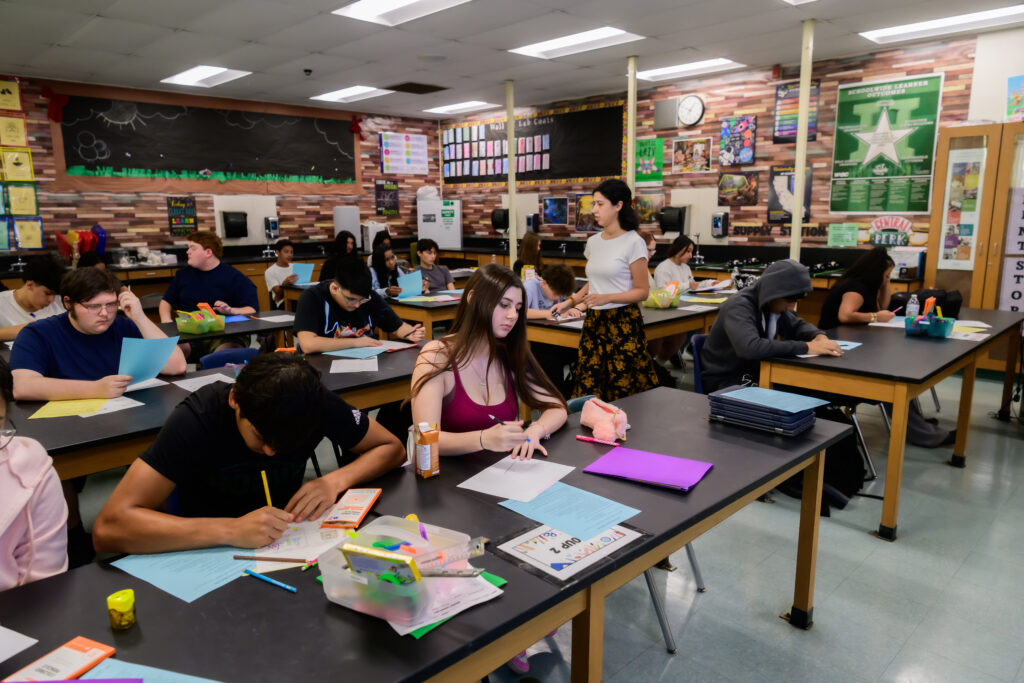
Navigating Post-Pandemic Education: Innovations Driving Student Success
The global learning landscape has been irrevocably altered by recent events.The profound impact of the pandemic on schools, students, and families necessitates a forward-thinking approach to education.
This article explores the innovative strategies and essential shifts required to not only recover from past disruptions but to build a more resilient and effective learning environment for all.
We will delve into how educational institutions, particularly in regions like California, are adapting and what lessons can be learned to foster academic achievement and well-being.
The Lingering Shadow of Disruption: Understanding the Pandemic's Impact
The widespread closure of educational institutions, a direct consequence of the pandemic, created a ripple effect that extended far beyond the classroom.For many students, this period meant a significant disruption to their learning trajectories, leading to disengagement and a noticeable decline in mental health.
These challenges were not new, but the pandemic undeniably amplified pre-existing inequalities in student achievement, making the path to recovery a complex undertaking for most schools.
The aftermath has highlighted persistent issues that defy simple solutions, demanding a collaborative and adaptive educational ecosystem.
Amplifying Existing Gaps
Research indicates that the pandemic disproportionately affected students from disadvantaged backgrounds, widening the achievement gap.
The sudden shift to remote learning exposed disparities in access to technology and stable home learning environments.
This created a situation where some students thrived with new learning modalities, while others struggled significantly, falling further behind their peers.
The long-term consequences of this academic divergence are a critical concern for educators and policymakers alike.
The Mental Health Toll on Students
Beyond academic setbacks, the pandemic inflicted a considerable mental health burden on students.
Isolation, uncertainty, and the loss of routine contributed to increased rates of anxiety, depression, and stress.
Schools, often the primary source of social interaction and support for young people, found themselves grappling with the emotional well-being of their students in unprecedented ways.
Addressing these mental health needs has become as crucial as academic recovery.
Building Resilient Learning Ecosystems: Partnerships and Proactive Solutions
The challenges presented by the pandemic have underscored a vital truth: schools are more than just physical spaces for instruction.They are integral hubs that must support the holistic development of students and their families.
This realization has spurred innovative approaches, emphasizing the critical role of partnerships and a willingness to fundamentally re-evaluate existing educational strategies.
The focus has shifted towards creating robust support systems that ensure students are not only present but also prepared to learn, addressing foundational needs that impact academic success.
The Power of Family and Community Engagement
Effective recovery and sustained student success hinge on strong collaborations between schools, families, and community organizations.
When students arrive at school hungry, unwell, or facing external stressors, their capacity to learn is severely compromised.
Innovative programs have emerged that actively involve parents and caregivers, recognizing their pivotal role in setting the tone for their children's educational engagement.
These initiatives move beyond traditional parent-teacher interactions to empower families as active participants in their children's academic journey.
Empowering Parents as Academic Allies
One powerful model involves training parents and caregivers to become tutors and academic supporters for their own children.
This approach, particularly in early literacy, has demonstrated remarkable results.
By equipping families with the tools and knowledge to assist with learning, schools can create a multiplier effect, extending academic support into the home.
Such programs not only boost student achievement but also strengthen family bonds and foster a shared commitment to education.
Innovative Support Systems for Student Well-being
Beyond academic tutoring, the pandemic highlighted the need for comprehensive support services.
Schools have begun to implement programs that address a wide range of student and family needs, from housing assistance and food security to health and wellness.
Care coordinators, for instance, have become invaluable in connecting families with essential resources and services.
These individuals act as bridges, ensuring that students can overcome external obstacles and arrive at school ready to engage and learn.
Addressing Chronic Absenteeism Through Holistic Support
Chronic absenteeism, a persistent challenge exacerbated by the pandemic, requires a multifaceted approach.
Innovative strategies now focus on understanding and addressing the root causes of absence, which often extend beyond simple truancy.
By providing comprehensive support that tackles issues like transportation, health concerns, and family crises, schools can foster a culture of attendance and learning.
This involves a willingness to analyze obstacles and adapt strategies to meet the diverse needs of their student populations.
Driving Results: Data-Informed Strategies and Focused Interventions
The significant influx of pandemic-era funding presented an opportunity for schools to invest in addressing long-standing challenges.However, research indicates that simply increasing spending does not automatically translate to improved student outcomes.
The key lies in adopting data-informed strategies, focusing on evidence-based interventions, and demonstrating a commitment to continuous improvement.
Districts that have achieved notable success often share common characteristics: a laser focus on core academic subjects and a rigorous approach to measuring and analyzing student performance.
The Imperative of Data-Driven Decision-Making
Effective educational leadership requires a deep understanding of student performance data.
Consistently assessing academic progress, graduation rates, and attendance metrics provides crucial insights into what is working and what needs adjustment.
Districts that excel in student growth often attribute their success to a culture of reflection, where teams collaboratively analyze data to inform instructional practices and school-level strategies.
This commitment to measurement ensures accountability and drives targeted improvements.
Prioritizing Foundational Skills: Reading and Math
Studies consistently show that districts that prioritize and excel in teaching foundational reading and math skills often see the most significant gains in overall student achievement.
These core subjects form the bedrock of academic success across all disciplines.
Innovative programs that focus on strengthening these areas, whether through direct instruction, targeted interventions, or engaging learning experiences, are essential for building a strong academic foundation for every student.
Replicating Success: The Power of Proven Models
When innovative approaches demonstrate tangible results, the ability to replicate and scale these models becomes paramount.
Successful programs, like those that have empowered parents as tutors or implemented effective care coordination, can serve as blueprints for other schools and districts.
The willingness to adopt and adapt proven strategies, even across different geographical locations, is a hallmark of a dynamic and responsive educational system.
This ensures that effective solutions reach a wider audience of students and families.
Embracing Innovation: Agility and Adaptability in Education
The educational landscape is in constant flux, and the pandemic served as a stark reminder of the need for agility and adaptability.Districts must cultivate an environment where experimentation is encouraged, and a willingness to try new approaches, even unconventional ones, is embraced.
The fear of failure can lead to stagnation, preventing the adoption of innovative solutions that could profoundly benefit students.
Embracing crises as opportunities for transformation is key to developing educational models that truly meet the evolving needs of learners.
The Courage to Experiment and Iterate
Educational leaders often express a desire to implement innovative ideas but feel constrained by existing structures or perceived limitations.
Overcoming this fear is crucial.
It requires a mindset that views challenges not as insurmountable barriers but as catalysts for change.
When an approach doesn't yield the desired results, the response should not be to abandon innovation but to analyze the outcome, learn from it, and pivot to a new strategy.
This iterative process is fundamental to progress.
Fostering Real-World Learning Experiences
Beyond traditional classroom instruction, there is a growing recognition of the importance of providing students with real-world learning experiences.
This can include internships, apprenticeships, and project-based learning that connect academic concepts to practical applications.
Such initiatives not only enhance student engagement but also equip them with the skills and confidence needed to become future leaders and innovators.
Creating pathways for students to explore their interests and develop practical competencies is a vital aspect of modern education.
Conclusion: A Future Forged Through Innovation and Collaboration
The journey through and beyond the pandemic has illuminated the critical need for a transformed educational paradigm.The experiences of schools and families, particularly in regions like California, offer invaluable lessons.
Moving forward, sustained student success will depend on our collective ability to foster strong partnerships, embrace data-driven decision-making, prioritize foundational skills, and cultivate a culture of innovation and adaptability.
By learning from the disruptions of the past and proactively building resilient, supportive, and forward-thinking educational systems, we can ensure that every student has the opportunity to thrive and reach their full potential.
The commitment to continuous improvement and a willingness to explore new avenues will be the cornerstones of an education system that truly prepares students for the future.






 Explore AI Teaching Tools
Comments (0)
Please login to comment
No comments yet
Be the first to comment on this article