
The Future of Workforce Readiness: Embracing Residential Trade Programs in Higher Education
The landscape of higher education is undergoing a significant transformation, marked by shifting demographics and evolving student aspirations.As traditional enrollment numbers face new challenges, institutions are seeking innovative pathways to engage a broader spectrum of learners.
This article explores the compelling case for integrating skilled trades education within residential college settings, offering students a robust pathway to fulfilling careers and a comprehensive educational experience.
We delve into the benefits for students, the potential for institutions, and the practical considerations for developing successful trade programs.
1.
Navigating the Evolving Educational Landscape: Why Trades Matter Now The traditional "college for all" narrative is being re-examined as students and families increasingly scrutinize the return on investment for four-year degrees.
Research indicates a growing awareness that not all academic paths lead to guaranteed career success, and that certain fields of study may not offer a significant advantage over a high school diploma.
This shift in perspective presents a unique opportunity for higher education institutions to diversify their offerings and cater to a wider range of student aptitudes and career goals.
The demographic cliff, a projected decline in the number of college-aged individuals, further underscores the need for colleges to adapt and attract new student populations.
By embracing skilled trades, institutions can tap into a robust and in-demand sector, providing valuable workforce training that aligns with current and future economic needs.
This approach not only addresses enrollment challenges but also fulfills a critical societal need for skilled professionals across various trades.
The current educational climate demands a more nuanced approach to higher learning.
For decades, the emphasis has been on a singular path: a four-year university degree.
However, recent trends and demographic shifts are prompting a critical re-evaluation of this model.
Studies indicate that a substantial portion of students who pursue traditional academic routes may not complete their degrees or find immediate career satisfaction.
This reality, coupled with a growing appreciation for hands-on skills and vocational expertise, is paving the way for a resurgence of interest in trade education.
For colleges and universities, this presents a strategic imperative to broaden their horizons and incorporate programs that directly address the demands of the modern workforce.
The concept of a "demographic cliff" highlights a shrinking pool of traditional college-bound students, making it essential for institutions to explore alternative recruitment strategies and program development.
By offering comprehensive trade programs, colleges can attract a new cohort of students eager to acquire tangible skills and enter the workforce with confidence.
The Shifting Perception of Trades
Gone are the days when skilled trades were viewed as a secondary career option.
A growing respect for craftsmanship, technical expertise, and the essential services provided by tradespeople is reshaping public perception.
This newfound appreciation is driven by several factors, including the tangible impact of these professions on daily life and the increasing recognition of the earning potential and job security they offer.
Students are realizing that a career in the trades can be just as rewarding, if not more so, than a traditional academic pursuit, especially when considering the direct path to employment and financial independence.
Addressing the Enrollment Imperative
For many higher education institutions, particularly those facing declining enrollment, integrating trade programs offers a vital lifeline.
By diversifying course and degree offerings, colleges can attract a broader student demographic, including those who may not have previously considered a post-secondary education.
This expansion not only bolsters enrollment numbers but also enriches the campus community by fostering a more diverse student body with a wider range of interests and career aspirations.
The inclusion of trade programs can transform a struggling institution into a dynamic hub of learning and workforce development.
2.
The Power of Residential Trade Programs: A Holistic Learning Experience The concept of residential trade schools offers a compelling model for delivering comprehensive education and training.
By combining hands-on skill development with the immersive experience of campus life, these programs provide students with a unique advantage.
This approach allows for a deeper engagement with the curriculum, fosters a strong sense of community, and provides access to resources and mentorship that might be unavailable in non-residential settings.
For students who thrive in structured environments and benefit from a dedicated learning community, residential trade programs offer an ideal pathway to success.
The integration of trade education within a residential college setting offers a powerful synergy, blending practical skill acquisition with the enriching aspects of campus life.
This model is particularly beneficial for students who thrive in a structured environment, benefit from peer-to-peer learning, and appreciate the mentorship opportunities that a dedicated campus community provides.
Unlike commuting to a trade school while living at home, a residential program immerses students in their chosen field, fostering a deeper understanding and a stronger connection to their future profession.
This holistic approach ensures that students not only master the technical aspects of their trade but also develop essential soft skills, build lasting networks, and gain the confidence to excel in their chosen careers.
Immersive Learning Environments
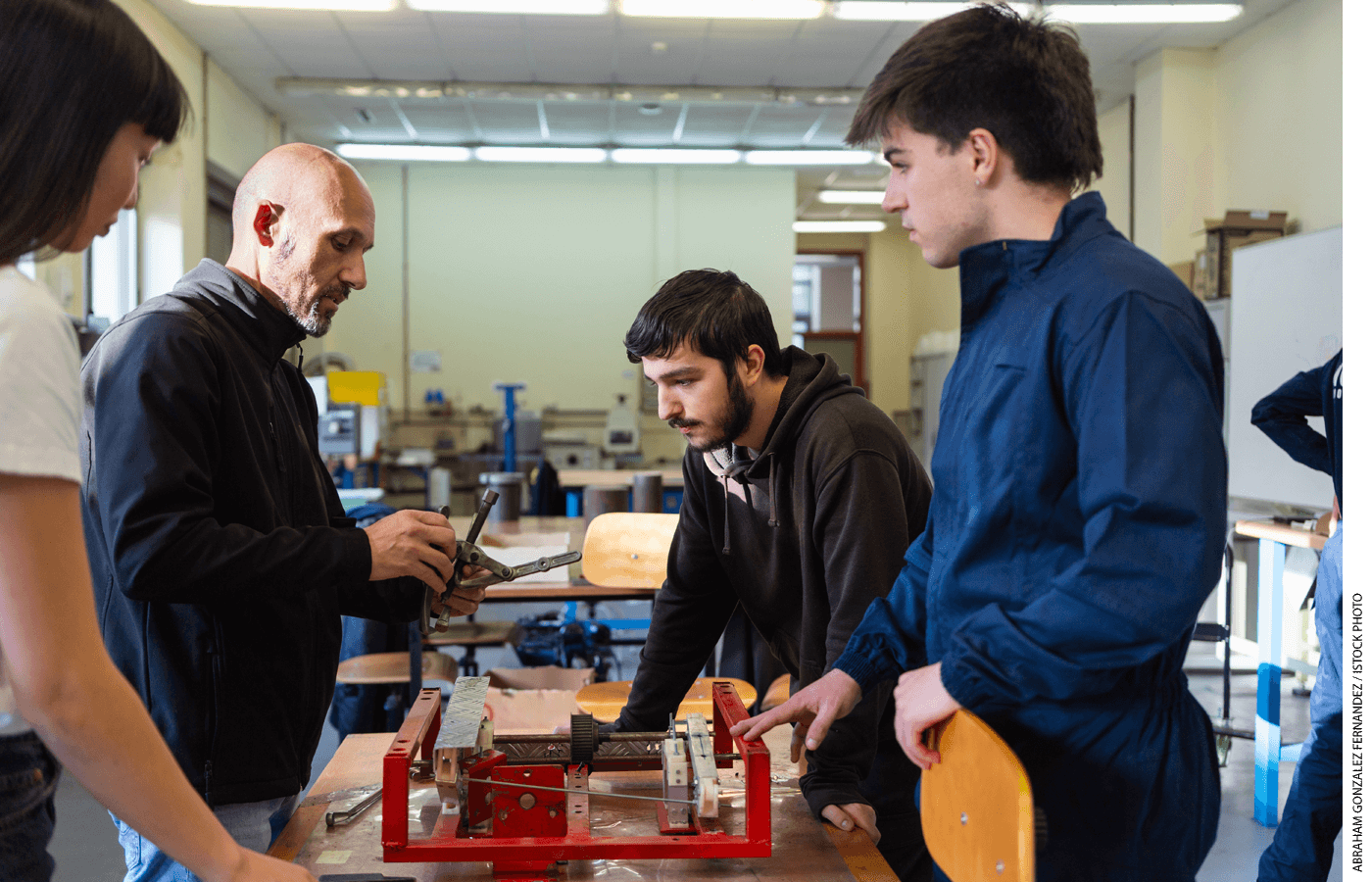
Residential trade programs create an immersive learning environment where students are surrounded by their peers and instructors who share a common passion.
This constant exposure to the trade, coupled with dedicated workshop time and practical application, accelerates skill development.
Students can practice their craft, receive immediate feedback, and learn from real-world scenarios in a safe and supportive setting.
This deep dive into the curriculum allows for a more profound understanding of the complexities and nuances of each trade.
The "College Experience" Reimagined
For many students, the appeal of college extends beyond academics to encompass the social and personal growth opportunities that campus life provides.
Residential trade programs can offer this coveted "college experience" while focusing on practical, career-oriented education.
Students can participate in campus activities, build friendships, and develop leadership skills, all while pursuing a trade that leads directly to employment.
This reimagined college experience caters to students who seek both professional training and personal development, offering a well-rounded path to adulthood.
Building a Stronger Community and Network
Living and learning together fosters a powerful sense of community among students in residential trade programs.
This shared experience creates strong bonds, leading to valuable peer support networks that can extend well beyond graduation.
Furthermore, these programs often attract experienced instructors and industry professionals, providing students with invaluable mentorship and networking opportunities.
These connections can be crucial for securing internships, apprenticeships, and ultimately, full-time employment in their chosen trades.
3.
Key Trade Programs Poised for Growth The demand for skilled professionals is high across a multitude of trades, presenting numerous opportunities for students seeking fulfilling and stable careers.
Institutions looking to establish or expand residential trade programs should consider those with robust industry demand and clear career pathways.
These programs not only offer excellent job prospects but also contribute significantly to the nation's infrastructure and economic vitality.
The modern economy relies heavily on the expertise of skilled tradespeople.
As industries continue to evolve and infrastructure projects expand, the demand for qualified professionals in various trades is projected to remain exceptionally high.
Higher education institutions that strategically develop and promote residential trade programs in these in-demand fields are well-positioned to meet this need and provide students with lucrative and stable career opportunities.
The following are some of the key trade programs that are experiencing significant growth and offer excellent prospects for students.
Construction and Building Trades
The construction sector is a cornerstone of economic development, and the need for skilled trades within it is perpetual.
Programs in carpentry, electrical work, plumbing, HVAC (heating, ventilation, and air conditioning), and masonry are consistently in high demand.
These trades are essential for building and maintaining residential and commercial properties, infrastructure, and renewable energy systems.
Graduates from these programs often find immediate employment opportunities with construction companies, contractors, and maintenance departments.
Advanced Manufacturing and Machining
The resurgence of manufacturing, particularly with the integration of advanced technologies like automation and robotics, has created a significant need for skilled technicians.
Programs in CNC (Computer Numerical Control) machining, welding, industrial maintenance, and advanced manufacturing technologies are crucial.
These professionals are vital for producing everything from complex machinery to consumer goods.
The precision and technical expertise required in these roles command competitive salaries and offer pathways to supervisory and engineering support positions.
Information Technology and Telecommunications
While often perceived as a purely academic field, many aspects of information technology and telecommunications require hands-on technical skills that can be effectively taught in a trade program.
This includes network installation and maintenance, cybersecurity technician roles, data center operations, and telecommunications equipment installation.
As our world becomes increasingly digital, the demand for individuals who can build, maintain, and secure our technological infrastructure will only continue to grow.
Renewable Energy and Green Technologies
The global shift towards sustainability has fueled a surge in demand for professionals in the renewable energy sector.
Programs focusing on solar panel installation and maintenance, wind turbine technician roles, and energy efficiency auditing are becoming increasingly vital.
These trades are at the forefront of developing and implementing cleaner energy solutions, offering both environmental impact and strong career growth potential.
Automotive and Transportation Technologies
The automotive industry is undergoing rapid transformation with the advent of electric vehicles and advanced driver-assistance systems.
Skilled technicians are needed to diagnose, repair, and maintain these complex vehicles.
Programs in automotive technology, diesel mechanics, and electric vehicle specialization offer excellent career prospects for individuals with a passion for mechanics and technology.
4.
Overcoming Challenges in Establishing Residential Trade Programs While the benefits of residential trade programs are clear, their successful implementation requires careful planning and a proactive approach to potential challenges.
Institutions must consider accreditation requirements, program duration, financial aid accessibility, and the recruitment of qualified instructors.
Addressing these aspects thoughtfully will ensure the long-term viability and effectiveness of these educational pathways.
The establishment and successful operation of residential trade programs, while highly beneficial, are not without their hurdles.
Higher education institutions must be prepared to navigate a landscape of specific regulatory, pedagogical, and financial considerations.
Proactive planning and a commitment to overcoming these challenges are essential for creating robust and impactful trade education offerings that truly serve students and the workforce.
Accreditation and Program Standards
A significant consideration for any educational program is accreditation, which ensures quality and credibility.
Trade programs often face unique accreditation standards that may differ from traditional academic programs.
Institutions need to ensure their trade curricula meet the rigorous requirements set by relevant accrediting bodies, which often focus on the competency of instructors and the practical relevance of the training provided.
This may involve ensuring instructors possess significant industry experience and relevant certifications, rather than solely relying on academic credentials.
Program Length and Federal Aid Eligibility
Federal student aid, such as Pell Grants, is often tied to program length, typically requiring a minimum of 600 hours of instruction.
This can present a challenge for shorter, more intensive trade certification programs.
However, recent discussions and anticipated changes regarding "Workforce Pell Grants" are expected to expand eligibility for shorter programs.
Furthermore, legislative updates allowing the use of 529 college savings plans for qualified postsecondary credential expenses, including trade certifications, are making these programs more financially accessible to a wider range of students and families.
Recruiting and Retaining Qualified Instructors
A critical component of any successful trade program is the quality of its instructors.
Drawing from the workforce for instructors can be highly beneficial, as they bring real-world experience and industry insights.
However, recruiting and retaining these professionals can be challenging, as they may be accustomed to higher industry salaries.
Institutions need to develop competitive compensation packages, offer professional development opportunities, and create a supportive teaching environment to attract and keep experienced tradespeople as educators.
This might also involve creating hybrid roles where instructors can maintain some industry connections.
Curriculum Development and Industry Alignment
The rapidly evolving nature of skilled trades necessitates a dynamic and industry-aligned curriculum.
Programs must be regularly reviewed and updated to reflect current technologies, best practices, and employer demands.
Establishing strong partnerships with local businesses and industry associations is crucial for gathering feedback, ensuring curriculum relevance, and creating pathways for internships and apprenticeships.
This collaborative approach ensures that graduates are equipped with the most in-demand skills and knowledge.
5.
The Broader Impact: Economic Growth and Societal Benefit Investing in residential trade programs extends beyond individual student success; it fuels broader economic growth and societal well-being.
By equipping a skilled workforce, these programs contribute to a more robust economy, support innovation, and ensure the continued development and maintenance of essential infrastructure.
The ripple effect of a well-trained tradesperson benefits communities and the nation as a whole.
The strategic implementation of residential trade programs yields benefits that resonate far beyond the individual student and the educational institution.
These programs are instrumental in fostering economic prosperity, driving innovation, and ensuring the foundational infrastructure that supports our society remains strong and functional.
The investment in skilled trades education is an investment in the collective future.
Driving Economic Development and Innovation
A skilled workforce is the engine of economic growth.
By producing graduates proficient in various trades, residential programs directly contribute to the productivity and competitiveness of industries.
This influx of qualified professionals can attract new businesses, support existing ones, and foster innovation as individuals bring new ideas and efficient practices to their work.
The ability to build, maintain, and advance complex systems relies on the expertise cultivated within these programs.
Strengthening Essential Infrastructure
From the roads we drive on to the buildings we inhabit and the power grids that sustain us, essential infrastructure is built and maintained by skilled tradespeople.
Residential trade programs play a vital role in ensuring a continuous pipeline of qualified individuals to perform these critical tasks.
This is particularly important as aging infrastructure requires significant upgrades and as new technologies emerge, demanding specialized skills for their implementation and upkeep.
Promoting Social Mobility and Equity
Residential trade programs offer a powerful pathway for social mobility, providing individuals from diverse backgrounds with the opportunity to acquire valuable skills, secure well-paying jobs, and achieve financial independence.
For students who may not thrive in traditional academic settings, these programs offer a tangible and rewarding alternative, empowering them to build successful careers and contribute meaningfully to society.
This democratizes opportunity and fosters a more equitable workforce.
Reducing Skills Gaps and Unemployment
The persistent skills gap in many industries is a significant economic challenge.
Residential trade programs directly address this by training individuals in fields where demand consistently outstrips supply.
By equipping students with in-demand skills, these programs help reduce unemployment rates and ensure that businesses have access to the talent they need to operate and grow.
This alignment between education and workforce needs is crucial for a healthy economy.
Conclusion
The integration of skilled trades education within residential college settings represents a forward-thinking and essential evolution in higher education.By embracing these programs, institutions can not only address enrollment challenges but also provide students with invaluable career pathways, foster a more diverse and dynamic learning environment, and contribute significantly to economic growth and societal well-being.
As the educational landscape continues to shift, the case for robust residential trade programs is stronger than ever, offering a compelling vision for the future of workforce readiness and lifelong learning.






 Explore AI Teaching Tools
Comments (0)
Please login to comment
No comments yet
Be the first to comment on this article