
Unlocking Educational Opportunities: A Deep Dive into California's Public School Choice Program
Embark on a journey to understand a powerful, yet often overlooked, avenue for student advancement within California's public education system.This article illuminates a program designed to offer greater flexibility and opportunity for students, exploring its mechanics, benefits, and the landscape of its implementation.
Discover how this initiative, when fully embraced, can foster innovation and cater to the diverse needs of learners across districts.
The Foundation of Public School Choice: Understanding the "District of Choice" Program
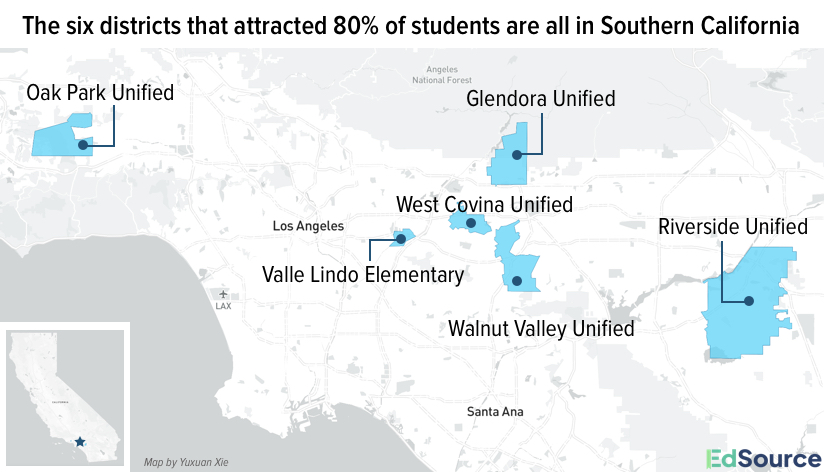
California's educational framework includes a significant provision that allows students to seek educational experiences beyond their immediate residential boundaries.This "District of Choice" program, a testament to the state's commitment to student-centric learning, empowers districts to open their doors to nonresident students.
While reauthorized multiple times, its potential remains largely untapped, presenting a unique opportunity for families and districts alike.
The core principle is simple: a district can voluntarily opt into making a certain number of seats available for students residing outside its boundaries.
This initiative is not about creating a segregated system but about fostering a more dynamic and responsive educational environment where students can find the best fit for their academic and personal growth.
How the "District of Choice" Program Operates
The operational framework of the "District of Choice" program is designed for transparency and equitable access.Districts that choose to participate must formally announce the number of nonresident student slots they are making available by the fall of the preceding academic year.
Parents and guardians interested in enrolling their children in a participating district must submit their applications by a specific deadline, typically January 1st.
A crucial aspect of this program is its commitment to inclusivity.
By statute, enrollment is open to any family that applies, without arbitrary restrictions.
This means that factors such as academic achievement, athletic prowess, or even the specific needs of a student with special education requirements cannot be used to deny admission.
In instances where the number of applications exceeds the available seats, a lottery system is employed to ensure fairness and impartiality.
This process is designed to prevent any form of "cherry-picking" and ensures that opportunities are distributed through a transparent mechanism.
Maximizing Student Potential Through Interdistrict Transfers
The "District of Choice" program serves as a powerful mechanism for students to access educational environments that may offer specialized programs, unique learning philosophies, or simply a better fit for their individual needs.Research indicates that students who utilize such programs often find themselves in districts with higher academic performance metrics, access to advanced coursework, and a broader range of extracurricular and enrichment activities.
This can lead to enhanced academic outcomes, increased engagement, and a more fulfilling educational journey for the student.
For districts, embracing this program can be a strategic move to attract diverse student populations, foster a more vibrant learning community, and potentially stabilize or increase enrollment figures, which can have positive implications for funding and resource allocation.
Benefits for Students and Families
For students, the advantages of participating in a "District of Choice" program can be profound.It offers a pathway to: * **Specialized Programs:** Access to unique offerings such as dual-language immersion, advanced placement courses, robust arts and music curricula, or specific vocational training that may not be available in their home district. * **Enhanced Learning Environments:** The opportunity to enroll in schools with a strong academic reputation, innovative teaching methodologies, or a particular educational philosophy that aligns with their learning style. * **Broader Opportunities:** Exposure to a wider array of extracurricular activities, clubs, and support services, contributing to a well-rounded educational experience. * **Personalized Support:** In some participating districts, students benefit from dedicated support systems, such as counselors who follow them throughout their academic careers, providing consistent guidance and mentorship.
Families, in turn, gain the agency to make informed decisions about their children's education, ensuring they are in an environment that best supports their child's unique strengths and aspirations.
This can alleviate concerns about the limitations of their local school and open doors to possibilities previously out of reach.
Benefits for Participating Districts
Districts that actively participate in the "District of Choice" program can experience several positive outcomes: * **Enrollment Stability and Growth:** Attracting students from neighboring districts can help maintain or increase enrollment numbers, which is crucial for funding and program sustainability. * **Increased Diversity:** A more diverse student body can enrich the learning environment for all students, bringing a wider range of perspectives and experiences to the classroom. * **Innovation and Program Development:** The influx of new students with varied needs and expectations can spur districts to innovate and enhance their existing programs, leading to overall improvements in educational quality. * **Community Engagement:** Actively participating in choice programs can foster stronger connections with families across a broader geographic area, potentially leading to increased community support and involvement.Navigating the Challenges and Opportunities of District of Choice
While the "District of Choice" program presents a compelling vision for educational mobility, its implementation and impact are not without complexities.Studies indicate that participation rates have been relatively low, with a small fraction of districts opting in and an even smaller percentage of students transferring annually.
This underutilization raises questions about awareness, accessibility, and the perceived barriers to participation for both districts and families.
Addressing these challenges is key to unlocking the full potential of this valuable educational tool.
Understanding Low Participation Rates
Several factors contribute to the limited adoption of the "District of Choice" program by districts.One significant reason is the historical uncertainty associated with its reauthorization periods.
The fact that the program was subject to periodic renewal, rather than being permanent, may have discouraged districts from investing in its infrastructure and outreach.
Furthermore, some districts may perceive that they lack unique offerings that would attract students from other areas, or they may be unaware of the program's existence or its potential benefits.
The California Department of Education's role in promoting the program also plays a part; a lack of active promotion can lead to widespread ignorance among potential participants.
Addressing Perceived Barriers and Misconceptions
Concerns about the financial implications for sending districts, particularly those with higher proportions of low-income students, have also been a point of contention.Historically, regulations allowed districts to cap the number of students leaving, creating a complex dynamic where some districts felt they were losing valuable enrollment without adequate compensation or support.
Additionally, there's a prevailing professional norm within education that discourages actively recruiting students from neighboring districts, sometimes referred to as "poaching." This unwritten rule, rooted in a desire to maintain stability within existing district boundaries, can act as a subtle deterrent for superintendents considering the "District of Choice" program.
The Role of Policy in Shaping Access
Legislative efforts to make the "District of Choice" program permanent and revise its rules are crucial steps toward broader adoption.Proposed changes, such as adjusting annual enrollment caps and providing exemptions for districts facing verifiable financial instability due to student attrition, aim to create a more balanced and sustainable system.
These policy adjustments are vital for ensuring that the program benefits all students and districts, rather than exacerbating existing inequalities.
By creating a more predictable and equitable framework, policymakers can encourage more districts to embrace the program and more families to explore its possibilities.
Strategies for Maximizing Educational Choice and Innovation
For districts that embrace the "District of Choice" program, a proactive and student-centered approach is paramount.This involves not only adhering to the program's regulations but also actively promoting the unique strengths and opportunities that the district offers.
By understanding the motivations of families seeking alternative educational pathways, districts can tailor their offerings and outreach to attract a diverse and engaged student population.
This can foster a cycle of innovation and continuous improvement, ultimately benefiting all students within the district.
Marketing Unique District Offerings
Districts that successfully attract nonresident students often do so by effectively communicating their distinctive educational advantages.This can include: * **Highlighting Specialized Academics:** Showcasing advanced placement programs, STEM initiatives, arts integration, or foreign language immersion opportunities. * **Emphasizing Extracurricular Excellence:** Promoting strong athletic programs, award-winning debate clubs, robust theater departments, or unique community service projects. * **Showcasing Student Support Systems:** Detailing the availability of counselors, academic support centers, mentorship programs, and mental health resources. * **Leveraging Digital Platforms:** Utilizing social media, district websites, and virtual tours to provide prospective families with a comprehensive and engaging overview of school life and opportunities.
Building Equitable Admissions and Support Systems
A cornerstone of a successful "District of Choice" program is a commitment to equitable admissions and robust support for all students, regardless of their background.Districts must ensure that their application processes are transparent and that all eligible students have an equal opportunity to enroll.
Furthermore, providing comprehensive support services for incoming nonresident students is essential.
This includes: * **Orientation Programs:** Helping students and families acclimate to the new school environment, understand academic expectations, and connect with school resources. * **Academic Support:** Offering tutoring, academic counseling, and individualized learning plans to ensure students can succeed in their new academic setting. * **Social-Emotional Support:** Providing access to counselors and mental health professionals to help students navigate the transition and address any social or emotional challenges. * **Transportation Solutions:** Exploring options or providing information on transportation resources to help bridge the geographical gap for nonresident students.
Fostering a Culture of Innovation and Inclusivity
The "District of Choice" program can be a catalyst for innovation within a district.By welcoming students from diverse backgrounds and with varied needs, districts are encouraged to adapt and enhance their educational approaches.
This can lead to the development of new programs, the adoption of more effective teaching strategies, and a greater focus on personalized learning.
Ultimately, a district that embraces choice and diversity cultivates a more dynamic, inclusive, and responsive educational environment that benefits every student.
Conclusion
The "District of Choice" program in California represents a significant, yet underutilized, opportunity to enhance educational access and foster innovation.By understanding its mechanics, recognizing its potential benefits for students and districts, and actively addressing the challenges that have limited its reach, we can move towards a more equitable and dynamic public education system.
As legislative efforts continue to refine and strengthen this program, the focus must remain on empowering families with meaningful choices and encouraging districts to embrace the opportunities that come with a diverse and engaged student body.
The future of education lies in creating systems that are responsive to the unique needs of every student, and the "District of Choice" program, when fully realized, can be a powerful tool in achieving that vision.






 Explore AI Teaching Tools
Comments (0)
Please login to comment
No comments yet
Be the first to comment on this article