
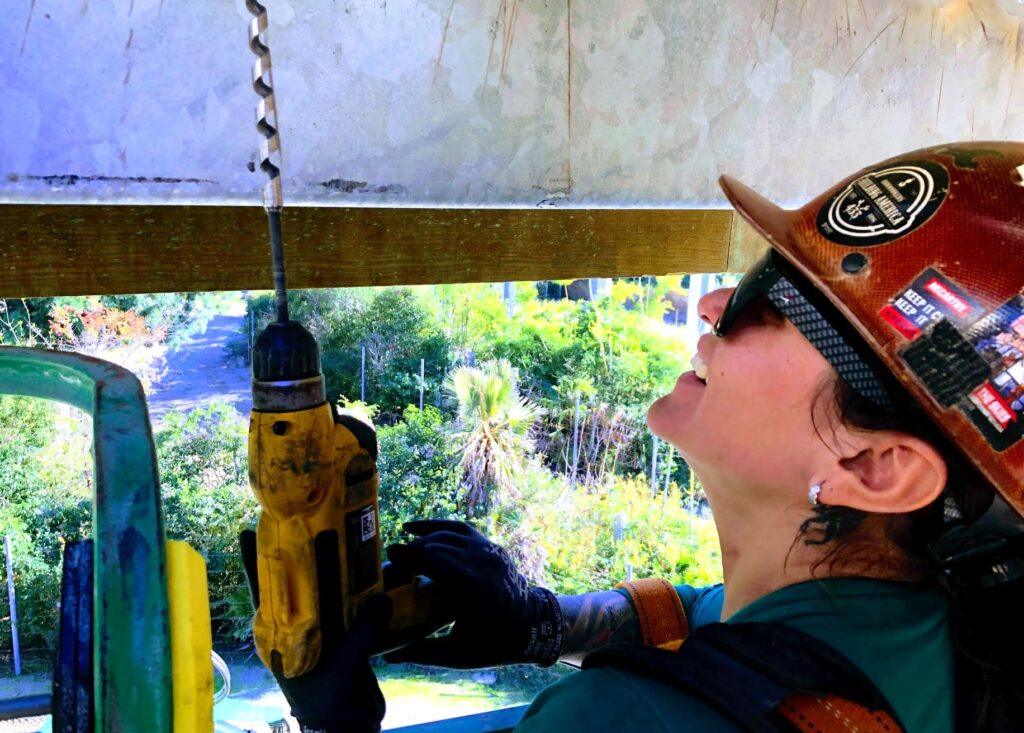
Unlocking Construction Careers: How Child Care Support Empowers Women in Apprenticeships
Embarking on a new career path, especially in demanding fields like construction, can be a transformative journey.
For many women, the aspiration to build a stable and rewarding future in trades such as ironworking, electrical, or plumbing is often met with a significant hurdle: the challenge of securing reliable and affordable child care.
This article explores how innovative apprenticeship programs, particularly those offering crucial child care support, are breaking down barriers and opening doors for women, fostering greater diversity and talent within the construction industry.
Discover how these initiatives are not just about job training, but about creating sustainable career pathways that support families and build stronger communities.
The Growing Need for Diverse Talent in Construction
The construction sector is a vital engine of economic growth, demanding a skilled workforce to drive forward infrastructure projects and urban development.
Historically, these trades have been male-dominated, leading to a significant underrepresentation of women.
This disparity isn't due to a lack of capability or interest, but often stems from systemic challenges that disproportionately affect women, particularly those with caregiving responsibilities.
Studies indicate that a lack of accessible and affordable child care is a primary obstacle preventing many women from entering and completing these lucrative apprenticeship programs.
The construction industry, with its early morning starts and sometimes extended work hours, presents unique scheduling conflicts that can make traditional child care arrangements difficult to manage.
This is where forward-thinking programs are stepping in to bridge that gap.
California's Innovative Approach: Child Care as a Career Catalyst
California has emerged as a leader in addressing the childcare challenge within apprenticeship programs.
Recognizing that financial and logistical support for families is paramount to workforce development, the state has championed initiatives designed to make skilled trades accessible to a broader demographic.
These programs go beyond traditional training, offering tangible financial assistance for child care expenses, enabling participants to focus on acquiring the skills and experience necessary for a successful career.
This approach acknowledges that a woman's ability to pursue a demanding apprenticeship should not be dictated by her family structure.
The ERICA Grant: A Lifeline for Apprentices
A cornerstone of this supportive framework is the Equal Representation in Construction Apprenticeship (ERICA) Grant.
This program provides substantial financial aid to apprentices, directly offsetting the costs associated with child care.
For individuals like Cindy Crisanto, a single mother pursuing a welding and ironworking career, these subsidies have been transformative.
Receiving approximately $800 a month in state-funded child care assistance has allowed her to manage the early morning work schedules common in construction, a critical factor that would otherwise have made her apprenticeship unfeasible.
The ERICA grant is designed to be flexible, covering various forms of care, from licensed centers to trusted friends and family members, provided proof of work hours is maintained.
This flexibility is key to accommodating the diverse needs of apprentices and their families.
Impact on Enrollment and Retention
The introduction of child care support has demonstrably impacted enrollment figures.
In programs like the one at Cerritos College, in partnership with an ironworkers union local, there has been a notable increase in female participation.
While still a small percentage of the overall apprentice population, the rise in women entering these trades is a positive indicator.
Experts suggest that such financial aid is not only crucial for initial enrollment but also for retention.
When the burden of child care is eased, apprentices are better positioned to complete their training, which can last several years, and to thrive in their chosen careers.
This initiative is part of a larger state goal to enroll half a million Californians in apprenticeship programs by 2029, highlighting a strategic investment in its workforce.
Beyond Child Care: Holistic Support for Women in Trades
While child care support is a significant breakthrough, successful programs often incorporate a broader spectrum of services to ensure women not only enter but also succeed and advance in construction careers.
These initiatives recognize that the journey involves more than just on-the-job training; it requires a supportive ecosystem.
Pre-Apprenticeship Readiness Programs
Before even entering a formal apprenticeship, many programs offer pre-apprenticeship readiness courses.
These programs are designed to equip individuals with foundational skills, including math and general work readiness, essential for the demands of construction trades.
For women who may not have prior exposure to these fields, these preparatory steps are invaluable.
They build confidence, familiarize participants with the industry, and help them make informed decisions about their career paths.
The ERICA grant can often extend to support participants during these crucial readiness phases, further solidifying the commitment to their success.
Recruitment and Outreach Strategies
Actively recruiting women into male-dominated fields requires targeted and effective outreach.
Significant funding is being allocated to campaigns aimed at raising awareness about apprenticeship opportunities and the support systems available.
Career fairs, informational workshops, and partnerships with organizations dedicated to women in trades play a vital role.
The goal is to showcase the rewarding nature of construction careers, including the potential for high earnings, often approaching six figures annually for skilled journey-level workers.
This proactive approach helps to dismantle preconceived notions and actively invite women to explore these viable career options.
Workplace Training and Mentorship
Once in an apprenticeship, ongoing support is critical.
This includes not only the technical training provided on the job but also mentorship and guidance.
Experienced professionals can offer invaluable advice, share insights into navigating the workplace, and provide encouragement.
For women who may encounter unique challenges or biases in a male-dominated environment, having mentors and supportive networks can make a significant difference in their persistence and overall job satisfaction.
The construction trades are increasingly recognizing the importance of fostering inclusive work environments where all apprentices feel valued and respected.
The Economic and Social Impact of Inclusive Apprenticeships
The benefits of these inclusive apprenticeship programs extend far beyond the individual participants.
By empowering women to enter and succeed in high-paying construction careers, these initiatives contribute to broader economic and social advancements.
Closing the Wage Gap and Boosting Household Income
Construction trades offer a pathway to financial stability and upward mobility.
Apprenticeships provide paid, on-the-job training, allowing individuals to earn while they learn.
As apprentices progress, their wages increase significantly, leading to substantial household income.
For families previously struggling with financial insecurity, a career in construction can be life-changing.
This not only improves the quality of life for the apprentice but also for their children and extended family.
The ability to earn a living wage and build a secure future is a powerful motivator and a testament to the program's effectiveness.
Diversifying the Workforce and Enhancing Innovation
A diverse workforce brings a wider range of perspectives, experiences, and problem-solving approaches.
In the construction industry, this can lead to greater innovation, improved safety practices, and more effective project outcomes.
When women are actively involved in all aspects of construction, from design to execution, the industry as a whole benefits.
This diversification is not just about fairness; it's about building a stronger, more resilient, and more adaptable sector capable of meeting the complex demands of modern development.
The inclusion of women enriches the professional landscape and fosters a more equitable future.
Addressing the Skilled Labor Shortage
The construction industry, like many others, faces a persistent shortage of skilled labor.
By removing barriers such as the cost of child care, programs like those in California are effectively expanding the talent pool.
This is crucial for meeting the ongoing demand for construction projects, from residential housing to large-scale infrastructure.
A robust and diverse workforce ensures that projects can be completed on time and within budget, contributing to economic stability and growth.
The strategic investment in apprenticeships, particularly those that support women, is a proactive solution to a critical labor challenge.
Navigating Challenges and Looking Ahead
Despite the promising progress, challenges remain.
The long-term sustainability of funding for these programs is a key concern, especially in light of fluctuating state revenues.
Ensuring that these vital support systems continue to be available after 2025 will be critical for the sustained success of women in construction apprenticeships.
Furthermore, while enrollment numbers are increasing, ongoing efforts are needed to ensure high completion rates and to foster a truly inclusive and equitable environment within the trades.
The Importance of Continued Investment
The success of initiatives like the ERICA grant underscores the importance of continued investment in workforce development programs that prioritize inclusivity.
These programs are not merely social initiatives; they are strategic economic investments that yield significant returns in terms of skilled labor, economic growth, and individual empowerment.
The construction trades, with their potential for high earnings and stable careers, offer a powerful avenue for economic advancement, and ensuring that women have equal access to these opportunities is paramount.
Building a Future of Opportunity
The journey for women like Cindy Crisanto and Rocio Campos, who have found fulfilling and well-compensated careers through apprenticeships supported by child care assistance, exemplifies the transformative power of these programs.
Their stories highlight the resilience, determination, and capability of women in the trades.
As these initiatives continue to evolve and expand, they promise to reshape the construction industry, making it more diverse, innovative, and accessible for generations to come.
The construction sector, often seen as a traditional field, is embracing a future where opportunity is truly available to all, regardless of gender or family circumstances.
Conclusion
The integration of child care support within construction apprenticeships represents a groundbreaking approach to workforce development.
By addressing a critical barrier for women, these programs are not only increasing diversity in traditionally male-dominated fields but also empowering individuals to build secure and prosperous futures for themselves and their families.
From the financial relief provided by grants like ERICA to the comprehensive support offered through pre-apprenticeship and mentorship, these initiatives are proving to be a vital lifeline.
As California and other regions continue to invest in such programs, the construction industry is poised for a more inclusive, innovative, and robust future, built by a talented workforce that reflects the richness and diversity of society.







 Explore AI Teaching Tools
Comments (0)
Please login to comment
No comments yet
Be the first to comment on this article