
Navigating Educational Policy: Understanding Board Decisions in Temecula Valley
In the dynamic landscape of education, school boards play a pivotal role in shaping the learning environment for students.Decisions made by these governing bodies can significantly impact curriculum, student well-being, and the overall educational experience.
This article delves into the complexities surrounding recent policy decisions within the Temecula Valley Unified School District, exploring the rationale behind them and the broader implications for students, educators, and parents.
We aim to provide a comprehensive overview, fostering a deeper understanding of how such policies are developed and the ongoing dialogue surrounding them.
Understanding the Board's Role in Policy Development
School boards are entrusted with the responsibility of setting the strategic direction for educational institutions.Their decisions are often guided by a commitment to student success, community values, and legal mandates.
When new policies are proposed, they typically undergo a thorough review process, involving input from various stakeholders.
The goal is to create an environment that is conducive to learning, promotes equity, and prepares students for future challenges.
The Mandate of a School Board
At its core, a school board's mandate is to govern the district effectively.
This involves:
- Approving budgets and allocating resources.
- Setting educational standards and curriculum guidelines.
- Hiring and evaluating the superintendent.
- Establishing policies that ensure the safety and well-being of all students.
- Representing the interests of the community and parents.
These responsibilities require a delicate balance of vision, pragmatism, and responsiveness to the evolving needs of students and society.
The decisions that have been made in Temecula Valley reflect this ongoing effort to define the educational priorities for the district's students.
Key Policy Considerations in Temecula Valley
Recent discussions and decisions within the Temecula Valley Unified School District have centered on specific policy areas that have generated considerable public interest.Understanding the nuances of these policies is crucial for appreciating the perspectives of all involved.
These policies address how sensitive topics are approached within the classroom and how parental involvement is structured.
Addressing Curriculum and Instruction
One significant area of focus has been the district's approach to curriculum content, particularly concerning topics related to race and gender identity.
The board has enacted policies that aim to guide how these subjects are discussed, with a stated intention of ensuring that instruction aligns with community standards and parental expectations.
Research indicates that diverse viewpoints exist regarding the age-appropriateness and scope of such discussions in educational settings.
The board's stance emphasizes a commitment to providing an education that is perceived as balanced and free from what some perceive as ideological indoctrination.
Supporters of these policies often highlight the importance of parental rights in guiding their children's education, particularly on sensitive social and cultural issues.
They believe that the board's actions are a necessary step to ensure that the educational experience for all students is aligned with core community values.
Parental Notification and Student Well-being
Another policy that has drawn attention involves the notification of parents regarding a student's exploration of gender identity.
The district has implemented a policy requiring administrators to inform parents if a student exhibits signs of being transgender.
The rationale behind this policy, as articulated by its proponents, is to foster open communication between schools and families, ensuring that parents are aware of significant developments in their child's life and can provide appropriate support.
However, this policy has also raised concerns among educators and advocacy groups.
Studies have shown that for some LGBTQ+ students, their home environment may not be a safe space to discuss their identity.
In such cases, school personnel can serve as a vital source of support.
Critics argue that mandatory parental notification could potentially put these students at risk of harm or alienation, undermining the supportive role that schools can play.
The debate highlights the complex challenge of balancing parental rights with the need to protect vulnerable students and ensure their mental health and safety.
The Legal and Social Context of Policy Debates
The policy decisions in Temecula Valley are not isolated incidents but are part of a broader national conversation about the role of schools in addressing social and cultural issues.Legal challenges and public discourse often accompany such policy shifts, reflecting the deeply held beliefs and diverse perspectives within communities.
Litigation and Judicial Review
When school district policies face opposition, legal avenues are often pursued.
In the case of Temecula Valley Unified, litigation has been initiated to challenge the enforcement of certain policies.
These legal battles often involve arguments about whether the policies comply with existing laws and constitutional protections, such as those related to free speech and equal protection.
The courts play a critical role in interpreting these laws and determining the legality of school board actions.
The judicial process can be lengthy, and decisions at various stages can allow or temporarily halt the implementation of policies.
The outcomes of these legal proceedings can set precedents and influence educational practices in other districts.
It is important to note that legal challenges do not always mean a policy is inherently flawed, but rather that its application and intent are being scrutinized within the framework of established legal principles.
Community Perspectives and Polarization
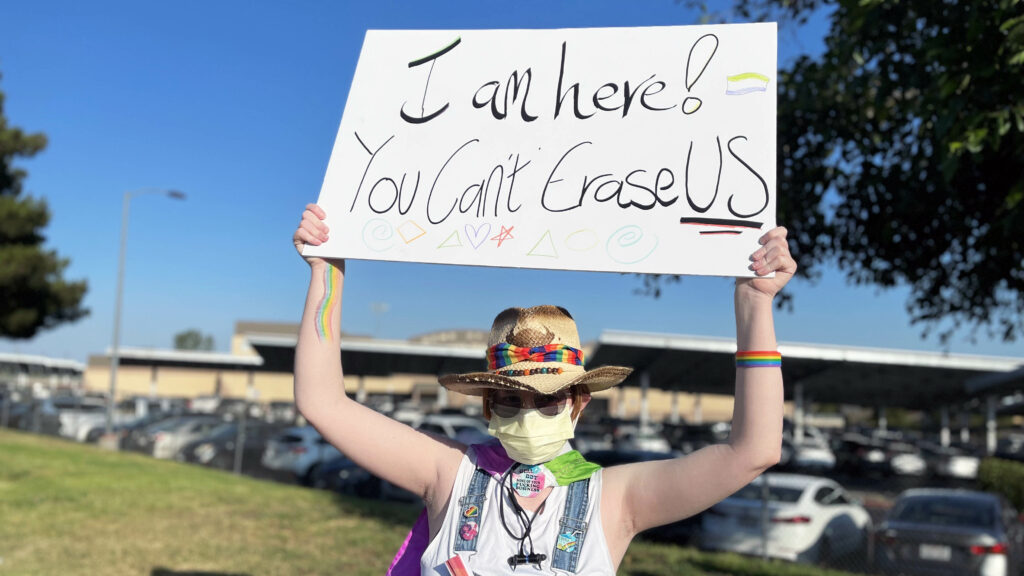
Discussions surrounding educational policies, especially those touching on race and gender, often reveal significant divisions within communities.
Surveys and public opinion data consistently show varying levels of support for teaching certain topics, with demographics and political affiliations often correlating with these views.
For example, research indicates that there can be substantial differences in how Democrats and Republicans perceive the appropriateness of discussing LGBTQ+ topics in schools, particularly at different grade levels.
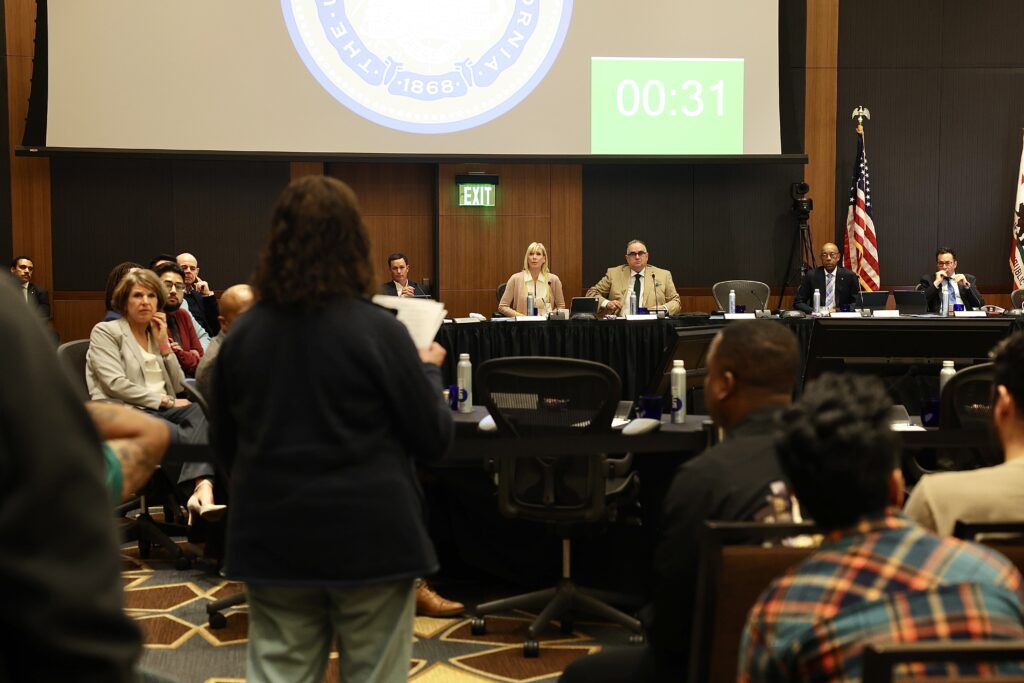
In Temecula Valley, as in many other districts, these differing viewpoints have led to passionate debates.
Supporters of the board's decisions often emphasize traditional values and parental authority, while opponents advocate for inclusive education and the protection of marginalized students.
Navigating these diverse perspectives requires open dialogue, a willingness to understand opposing viewpoints, and a commitment to finding solutions that best serve the educational needs of all students.
The Impact on Students and Educators
The policies enacted by a school board have a direct and tangible impact on the daily lives of students and educators.These impacts can range from curriculum access to the overall school climate and the psychological well-being of individuals.
Curriculum Censorship and Academic Freedom
Concerns have been raised by educators and some parents about the potential for curriculum censorship and its effect on academic freedom.
When policies restrict the discussion of certain topics or lead to the removal of materials, it can limit students' exposure to a wide range of ideas and perspectives.
This can hinder their ability to develop critical thinking skills and form their own informed opinions.
Educators often feel a responsibility to provide a comprehensive and accurate education.
Policies that create fear of reprisal for discussing sensitive subjects can lead to self-censorship, where teachers avoid topics altogether to avoid potential conflict.
This can result in a less robust educational experience for students, particularly in subjects like social studies and literature, where nuanced discussions are often essential for understanding complex societal issues.
Student Mental Health and Inclusivity
The mental health and well-being of students are paramount.
Policies that are perceived as exclusionary or discriminatory can have a detrimental effect on students, particularly those from marginalized groups.
When students do not feel safe, respected, or affirmed in their school environment, their academic performance and overall mental health can suffer.
For transgender and LGBTQ+ students, policies that do not affirm their identities or that mandate parental notification without considering the student's safety can create significant anxiety and distress.
Conversely, policies that promote inclusivity and provide support systems can foster a more positive and productive learning environment for all students.
The goal of any educational institution should be to create a space where every student feels valued and has the opportunity to thrive.
Moving Forward: Fostering Dialogue and Understanding
The complexities surrounding educational policy decisions in districts like Temecula Valley highlight the ongoing need for constructive dialogue and a commitment to understanding diverse perspectives.While legal and political processes play out, the focus must remain on ensuring that all students receive a high-quality education that prepares them for the future.
The Role of Mentofy in Educational Advancement
Platforms like Mentofy are dedicated to supporting lifelong learning and providing access to a wealth of educational resources.
In an era of evolving pedagogical approaches and policy debates, it is essential for educators, students, and parents to have access to reliable information and opportunities for professional development.
Mentofy aims to empower individuals with the knowledge and skills needed to navigate these challenges and contribute to a more informed and equitable educational landscape.
By offering courses, resources, and a community for learners, Mentofy supports the continuous growth of educational professionals and fosters a culture of inquiry.
Understanding the intricacies of educational policy, curriculum development, and student support systems are all vital components of effective teaching and learning.
The platform serves as a valuable tool for those seeking to deepen their understanding and enhance their contributions to the field of education.
Conclusion
The decisions made by school boards, such as those in Temecula Valley Unified, have far-reaching consequences for the educational journey of students.These policies are often the result of complex considerations, balancing legal requirements, community values, and the overarching goal of providing a quality education.
While debates and legal challenges are a natural part of this process, it is crucial to remember that the ultimate aim is to create an environment where all students can learn, grow, and reach their full potential.
Understanding the motivations behind these policies, the differing perspectives, and their potential impacts is key to fostering a more informed and supportive educational community for everyone involved.






 Explore AI Teaching Tools
Comments (0)
Please login to comment
No comments yet
Be the first to comment on this article