
Navigating the Shifting Landscape of Clean Energy Projects in Educational Institutions
The pursuit of sustainable energy solutions within schools and universities is a critical endeavor, vital for both environmental stewardship and long-term cost savings.However, recent legislative changes have introduced significant challenges, forcing educational institutions and their dedicated advocates to re-evaluate their strategies for implementing clean energy projects.
This article explores the evolving landscape, the impact of these changes, and the innovative approaches being developed to ensure the continuation of vital clean energy initiatives.
The Crucial Role of Federal Tax Credits in Driving Educational Sustainability
For years, federal tax credits have served as a powerful incentive, enabling schools and other tax-exempt organizations to undertake ambitious clean energy projects.These credits, often provided as direct cash reimbursements, have been instrumental in offsetting the substantial costs associated with initiatives like solar panel installations and the transition to electric vehicle fleets.
The availability of these financial mechanisms has empowered districts to pursue goals such as net-zero emissions and waste reduction, demonstrating a commitment to environmental responsibility and creating healthier learning environments.
How Tax Credits Empowered Ambitious School Projects
Many school districts, particularly those serving low-income communities, have relied heavily on these federal funds to avoid increasing the financial burden on their constituents through bonds or tax hikes.The Inflation Reduction Act (IRA), in particular, represented a landmark investment in clean energy, offering unprecedented opportunities for educational institutions to significantly reduce their carbon footprint.
Studies indicate that K-12 school infrastructure alone contributes a substantial amount of annual emissions, and the IRA's provisions aimed to address this by supporting projects that not only mitigated environmental impact but also promised long-term energy cost savings and improved student well-being.
Understanding the Impact of Legislative Changes on Clean Energy Initiatives
Recent legislative shifts have introduced a complex new reality for schools planning and executing clean energy projects.The discontinuation of certain tax credits, coupled with revised qualification criteria and accelerated phase-out timelines, has created a sense of urgency and uncertainty.
Educational institutions that had planned their financial strategies around these credits now face difficult decisions regarding project timelines, funding sources, and the potential need to scale back their environmental aspirations.
The "Commence Construction" Deadline and Its Implications
A key challenge stems from a new legislative deadline that requires projects to "commence construction" by a specific date to qualify for certain tax credits.This has put immense pressure on schools to accelerate their project timelines, often requiring them to make significant financial commitments before fully securing all necessary funding.
The complexity and evolving nature of these new rules can be particularly daunting for schools without extensive legal or financial expertise, making it difficult to navigate the intricacies of eligibility and compliance.
Categorizing the Fallout: The Good, The Bad, and The Ugly
The impact of these legislative changes can be broadly categorized: * The Good: Fortunately, not all clean energy incentives have been affected.Credits for installing ground-source heat pumps, for instance, remain available.
These systems efficiently utilize the earth's stable temperature to heat and cool buildings, offering significant long-term energy savings. * The Bad: The phase-out of tax credits for electric vehicles (EVs) acquired after a certain date presents a significant hurdle.
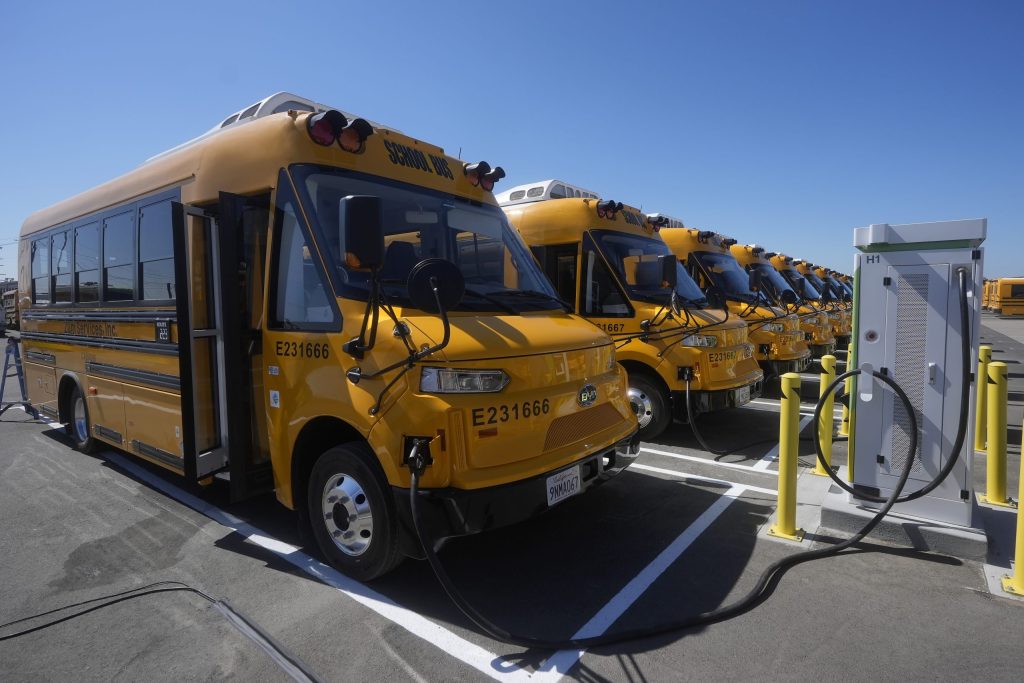
This affects the procurement of electric school buses and the installation of charging infrastructure.
While programs like the EPA's Clean School Bus Program still offer substantial funding, the remaining portion, which was to be covered by federal and state tax credits, now presents a funding gap.
This could increase the cost per vehicle by tens of thousands of dollars, impacting the widespread adoption of clean transportation for students. * The Ugly: Solar energy projects are experiencing the most significant negative repercussions.
The tightening of guidelines for qualifying for tax credits, requiring substantial physical labor to commence before eligibility, combined with the accelerated deadlines, has made it challenging for many solar initiatives to secure the anticipated federal funding.
This is particularly concerning given that solar energy is often the most cost-effective form of energy available.
Strategies for Overcoming Funding Gaps and Maintaining Momentum
Despite the challenges, the commitment to clean energy within educational communities remains strong.Students, educators, and sustainability leaders are actively exploring alternative funding streams and innovative approaches to keep their projects on track.
The demand for renewable energy is not diminishing, and the inherent cost-effectiveness of solutions like solar power continues to make them an attractive investment.
Exploring Diverse Funding Avenues
Educational institutions are looking beyond federal tax credits to secure the necessary funding for their clean energy projects.This includes: * Local Funding Measures: Utilizing funds from previously passed bond measures or exploring new local initiatives. * Utility Rebates: Leveraging available rebates and incentives offered by local utility providers. * Third-Party Financing: Engaging with private investors and financial institutions for project funding. * Grant Programs: Actively seeking grants from state energy commissions and other relevant organizations. * Partnerships: Collaborating with community organizations and businesses to share costs and resources.
The Power of Advocacy and Innovation
The current climate underscores the importance of sustained advocacy for policies that support clean energy in education.Students and youth activists are playing a crucial role in raising awareness and pushing for legislative action at both state and federal levels.
Innovative ideas, such as establishing "climate superfunds" where major polluters contribute to sustainability initiatives, are gaining traction.
These efforts highlight a collective determination to overcome obstacles and continue the vital work of creating a more sustainable future for schools and the planet.
The Enduring Importance of Clean Energy in Education
The journey towards clean energy in educational institutions is a complex but essential one.While recent legislative changes have introduced significant hurdles, they have also spurred innovation and reinforced the unwavering commitment of students, educators, and sustainability professionals.
The pursuit of energy efficiency, the reduction of carbon emissions, and the creation of healthier learning environments remain paramount.
By understanding the evolving landscape, exploring diverse funding strategies, and continuing to advocate for supportive policies, schools can navigate these challenges and ensure that the momentum towards a cleaner, more sustainable future for education is not lost.
The long-term benefits of these projects, both environmentally and economically, make this a critical mission for every school and university.






 Explore AI Teaching Tools
Comments (0)
Please login to comment
No comments yet
Be the first to comment on this article