
Navigating academic Freedom: Understanding University Policy Debates on Faculty Statements
In the dynamic landscape of higher education, the balance between institutional representation and individual academic expression is a constant point of discussion.
This article delves into the complexities surrounding university policies that aim to regulate faculty statements, exploring the motivations behind such policies, the concerns raised by faculty and academic senates, and the ongoing debate that shapes the future of campus communication.
Understanding these critical policy discussions is vital for faculty, administrators, and anyone invested in the principles of academic freedom.
1.
The Core of the Controversy: Defining Institutional Voice
At the heart of recent debates within university systems lies a proposed policy designed to govern the types of statements that faculty departments can publish on their official websites.
The primary objective, as articulated by proponents, is to prevent the misinterpretation of departmental opinions as the official stance of the entire university.
This concern often arises in the context of sensitive global or political events, where individual faculty or departmental groups may issue statements that do not reflect the broader institutional position.
The goal is to maintain a clear distinction between the collective voice of the university and the diverse perspectives of its academic community.
The urgency for such policies has been amplified by recent global events, which have spurred significant public discourse and, in some cases, led to departmental statements on contentious issues.
These statements, often originating from departments focused on social sciences or humanities, have drawn attention to the need for clarity in institutional communication.
The debate centers on where to draw the line between supporting faculty expression and ensuring that the university's public face remains neutral and representative of its entire academic body.
This delicate balancing act has led to extended discussions and postponements of definitive policy decisions by governing bodies.
2.
Faculty and Senate Perspectives: Upholding Academic Freedom
The academic community, particularly faculty members and their representative senates, has voiced significant concerns regarding these proposed policies.
A primary objection revolves around the potential infringement upon academic freedom, a cornerstone principle of higher education.
Faculty argue that restricting their ability to express views, even through departmental platforms, could stifle open discourse and critical inquiry.
The fear is that such policies might create a chilling effect, discouraging faculty from engaging with important societal issues or expressing nuanced perspectives.
Academic senate leaders have actively engaged with university regents, advocating for alternative approaches that respect faculty autonomy.
In many instances, senates have proposed their own recommendations, often developed through extensive internal consultation.
These recommendations typically emphasize the importance of disclaimers to clarify the origin and scope of departmental statements, rather than outright prohibitions.
The senate's position is that such an approach allows for transparency and accountability while still safeguarding the right to express diverse viewpoints.
They often highlight that the expertise within departments is valuable and should not be silenced.
Key Senate Recommendations for Policy Development
- Emphasis on Disclaimers: Mandating clear and prominent disclaimers on departmental websites to indicate that statements represent the views of the department or specific faculty, not the entire university.
- Focus on Clarity and Transparency: Encouraging policies that are easily understood and consistently applied across all departments and campuses.
- Avoiding Overreach: Suggesting that university governing bodies should defer to the academic senate on matters of academic freedom and faculty expression, as they are best positioned to understand these nuances.
- Distinguishing Departmental vs.
Individual Speech:
Recognizing the difference between official departmental pronouncements and individual faculty opinions expressed through personal channels.
3.
The Role of the Regents and the Meeting Process
University regents, as the governing board, hold the ultimate authority in approving or rejecting such policies.
The process of policy creation often involves multiple readings, discussions, and potential revisions before a final vote.
In the case of the debated faculty speech policy, the regents have repeatedly postponed a vote, indicating the complexity and sensitivity of the issue.
This postponement allows for further deliberation, feedback incorporation, and attempts to find common ground among various stakeholders.
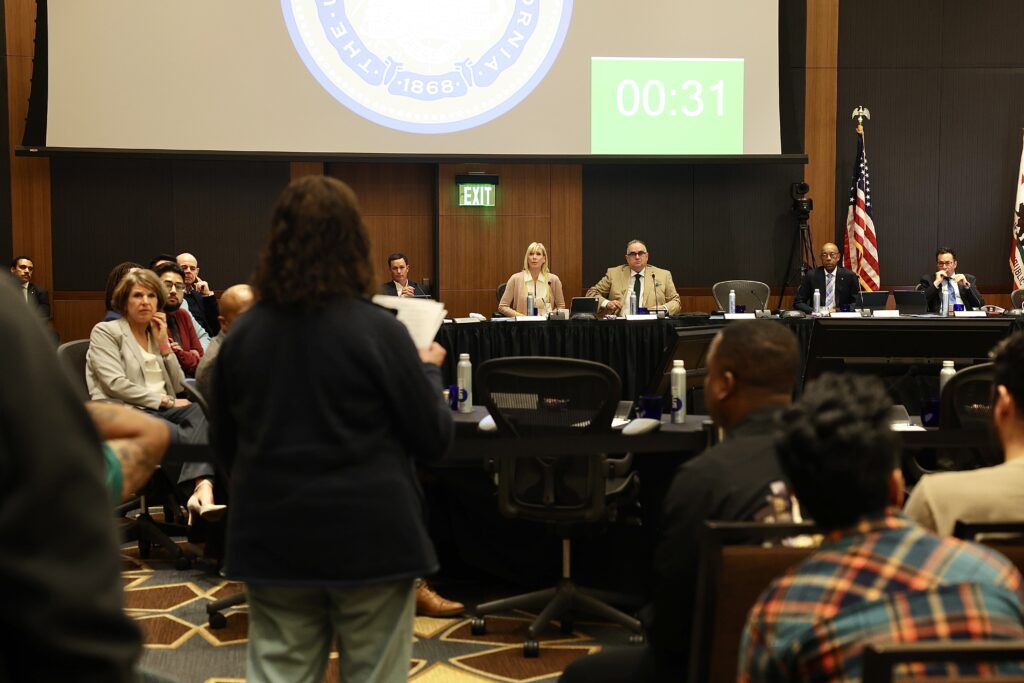
The meetings where these policies are considered are crucial forums for debate.
While some discussions may occur in open session, allowing for public scrutiny and input, sensitive aspects or specific details might be addressed in closed sessions.
The decision to delay a vote, especially for consecutive meetings, underscores the challenges in reaching a consensus.
It also highlights the significant impact that faculty feedback and senate recommendations can have on the policy-making process.
The regents' commitment to reviewing these recommendations is a testament to the collaborative nature of university governance, even amidst disagreement.
4.
Navigating the Future: Balancing Expression and Institutional Integrity
The ongoing discussions surrounding faculty speech policies are not unique to any single institution but reflect a broader trend in higher education.
Universities worldwide are grappling with how to best support academic freedom while maintaining institutional coherence and public trust.
The key lies in developing policies that are both effective and equitable, ensuring that they do not unduly restrict legitimate academic expression.
Moving forward, the focus will likely remain on finding nuanced solutions.
This may involve a greater emphasis on educational initiatives to inform faculty about best practices in public communication, alongside clear guidelines.
The role of the academic senate in shaping these guidelines and advising the regents will continue to be paramount.
Ultimately, the goal is to foster an environment where diverse voices can thrive, contributing to robust intellectual inquiry and informed public discourse, without compromising the integrity and representational clarity of the university as a whole.
The outcome of these policy debates will significantly influence the future landscape of academic expression and institutional communication.
Conclusion
The debate over university policies governing faculty statements is a critical examination of academic freedom, institutional representation, and the evolving nature of public discourse.
As university regents deliberate, the insights and concerns of faculty and academic senates play a vital role in shaping the final policy.
The ongoing efforts to balance diverse faculty expression with the need for clear institutional messaging highlight the complexities of modern higher education governance.
Understanding these policy discussions is essential for fostering a healthy and productive academic environment where both individual voices and institutional integrity are respected and upheld.







 Explore AI Teaching Tools
Comments (0)
Please login to comment
No comments yet
Be the first to comment on this article