
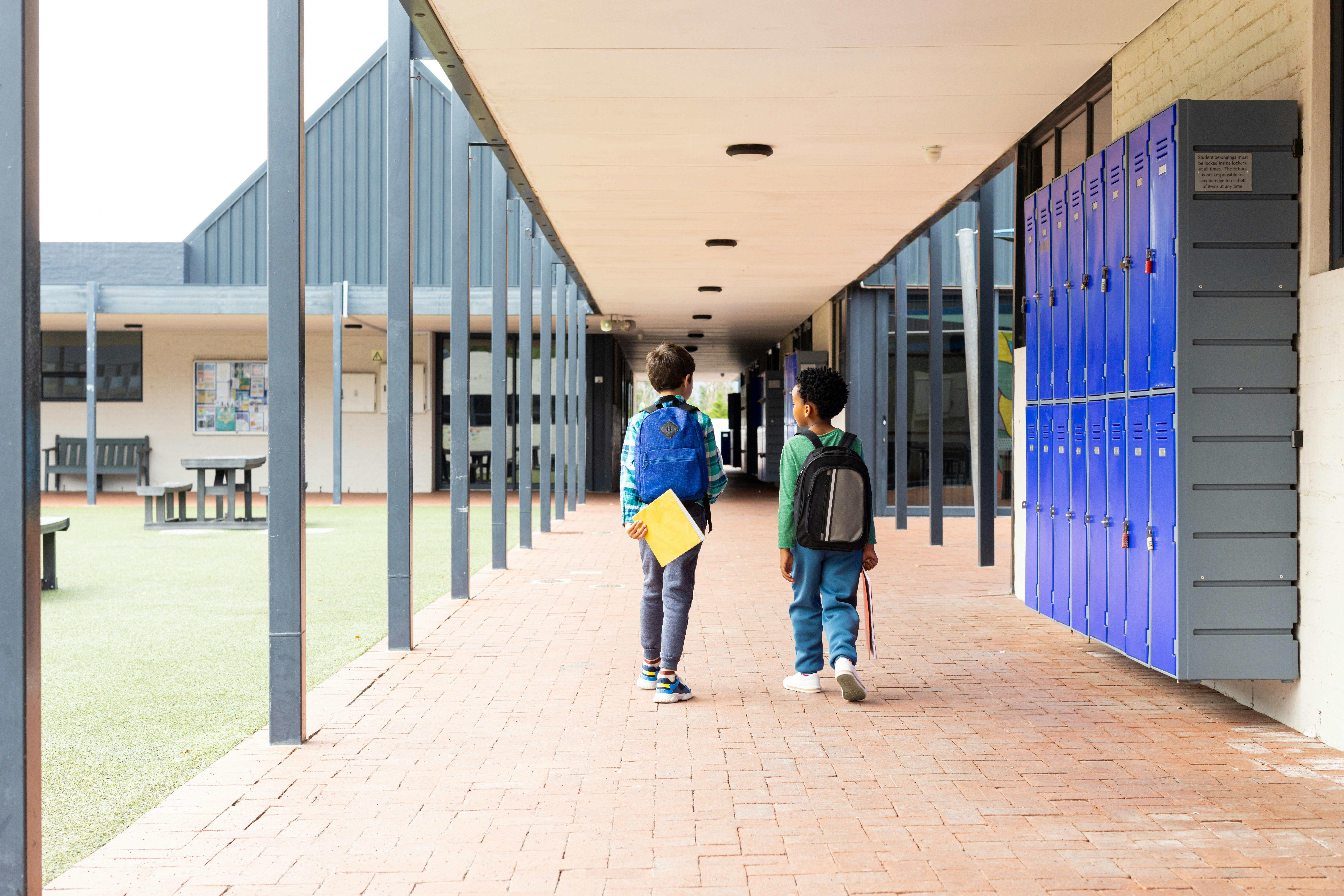
The Classroom's Hard Truth: Why Education Alone Can't Fix Society's Deepest Divides
The stark reality of the classroom, particularly in the wake of unprecedented disruption, has forced a profound re-evaluation of education's role. For many educators, the daily struggle has revealed that the promise of schools as the ultimate equalizer is a deeply flawed ideal.
Unraveling the Myth of the Great Equalizer
For years, the narrative has been clear: education is the ladder out of poverty, the great equalizer that can lift any child, regardless of background, to success. This belief is deeply ingrained in our societal aspirations for public schools.
However, the lived experience of teaching, especially in recent years, tells a far more complex and often disheartening story. The challenges faced by students and teachers alike have illuminated how deeply intertwined educational outcomes are with factors far beyond the schoolhouse doors.
A Teacher's Journey from Idealism to Insight
The journey into teaching often begins with a powerful desire to make a difference, to understand and dismantle the barriers that prevent some children from thriving. This was the driving force for many educators, including those who participated in recent reflective programs designed to explore the complexities of their profession.
These reflections, often raw and deeply personal, highlight a shared sense of overwhelm and frustration. They point to a fundamental questioning of the very reasons many entered the field of education in the first place.
The Seeds of Doubt Planted in the Classroom
For those who themselves attended under-resourced public schools, the classroom can become a powerful laboratory for understanding systemic inequalities. The questions are immediate and pressing: Why do some children grasp reading while others struggle? Why do some schools boast abundant resources while others languish?
The pursuit of these answers, once seen as achievable within the educational system, quickly leads to a broader, more intricate web of societal issues. The classroom becomes a microcosm of larger challenges that education alone cannot resolve.
The Unseen Architecture of Student Success
The daily grind of teaching often reveals that a student's success is rarely the sole product of a dedicated teacher or a well-resourced school. Instead, it is the culmination of a complex, aligned system of support that often begins long before a child enters kindergarten.
Consider the simple act of learning to read. Some children arrive in school already equipped with foundational phonics skills and have benefited from early screening for learning disabilities. These advantages are not accidental; they are often the result of a supportive home environment and access to early childhood resources.
Beyond the School Walls: The True Determinants
The disparities in school resources are themselves a reflection of deeper societal structures. Decades of housing policies and segregation have shaped neighborhood composition and, consequently, the property values that fund public education. This creates a cycle where schools in wealthier areas inherently have more to offer.
Similarly, a student's path to higher education is often paved with a network of financial and familial stability. This provides the resilience needed to navigate the often-arduous college application process, from standardized tests to complex financial aid forms.
The initial questions about individual student achievement quickly expand to encompass a tangled web of policy decisions, the impact of zip codes, and the persistent realities of race and class in America.
The Grief of a Shattered Ideal
For many educators, the decision to leave the classroom is not just about burnout or workload. It is often accompanied by a profound sense of grief – the undoing of a deeply held belief that education serves as society's ultimate equalizer.
This realization is often coupled with a humbling acknowledgment of personal privilege. The path through high school and into higher education, for some, was less a testament to academic merit alone and more a function of a family's inherent expectation of college attendance.
Stable housing, consistent healthcare, and a robust network of supportive adults create a foundation of resilience. These advantages mean that any learning challenges encountered are more likely to be swiftly identified and addressed by parents equipped to advocate within professional systems.
The Limits of the Classroom's Reach
Students spend the vast majority of their formative years outside of school. This reality underscores a critical truth: the promise of education is profoundly dependent on the strength and stability of the systems that surround the classroom.
This is not to diminish the incredible impact of teachers. Educators routinely achieve what can only be described as miraculous growth in their students. The ability of a teacher to inspire, to ignite curiosity, and to foster critical thinking is undeniable.
However, the most significant and lasting gains for students occur when the broader societal systems align to amplify the work happening within schools. This means children arriving at school healthier, safer, and more secure in their lives outside of the educational environment.
Emerging Models of Support: Hope and Concern
In response to these complex realities, two distinct movements are capturing the attention of those invested in the future of education. One offers a beacon of hope, while the other raises significant concerns.
The Promise of Place-Based Partnerships
During graduate studies, the concept of place-based partnerships emerged as a compelling model. These initiatives bring together diverse stakeholders—healthcare providers, housing authorities, youth service organizations, local government, and philanthropic groups—to collaborate around shared goals for children and families.
While the Harlem Children's Zone is a well-known example, this approach has gained traction nationwide. Organizations are now supporting networks of communities striving for cradle-to-career success for their young people.
In rural areas, initiatives are working to coordinate services across schools and social support systems. In urban centers, city agencies, nonprofits, and schools are collaborating to develop a more holistic understanding of the factors shaping children's lives.
The power of these partnerships lies in their acknowledgment of a fundamental truth: students do not arrive at school as blank slates. They carry with them the cumulative effects of their housing stability, healthcare access, nutrition, family income, and community safety.
These place-based approaches represent a policy shift that supports teachers by strengthening the entire ecosystem around them, rather than placing the sole burden of addressing societal challenges on schools.
The Peril of Misplaced Frustration
Conversely, a growing frustration with the persistent achievement gaps, particularly in the wake of recent educational disruptions, is leading some down a concerning path. If society has long believed schools to be the great equalizer, then the continued existence of these disparities can feel like an institutional failure.
In some regions, this frustration has fueled support for policies that divert resources away from public education. Programs offering universal education savings accounts, for instance, are often framed as empowering families with choice.
However, these policies can have detrimental effects on the public education system that the vast majority of students rely upon. They risk reflecting a disillusionment with the fundamental role of public schools as engines of democracy and opportunity for all.
The inequities observed in public education are often not problems that schools alone can solve. The path forward, as evidenced by the experiences of dedicated teachers and informed policy practitioners, is not to abandon our public schools.
Instead, the focus must shift to building stronger, more comprehensive systems of support that surround children and families. The critical question now is how policy can facilitate the creation of these essential partnerships.
These collaborations will empower teachers to do what they do best, while simultaneously ensuring that the conditions outside the classroom are conducive to their vital work. The future of education hinges on this integrated approach, recognizing that true equity requires a societal commitment that extends far beyond the classroom walls.




 Explore AI Teaching Tools
Comments (0)
Please login to comment
No comments yet
Be the first to comment on this article