
Silent Suffering: Fear of Disbelief Silences Women Reporting Sexual Violence
A groundbreaking nationwide study has revealed a stark reality for women in Malaysia: the pervasive fear of not being believed is a significant barrier, often compelling them to remain silent about the physical and online sexual violence they experience. This chilling finding underscores a deep-seated issue that transcends individual incidents, impacting women's willingness to seek justice and support.
The Unspoken Toll: A National Picture of Bodily Autonomy
Commissioned by a prominent advocacy group and supported by international funding, this comprehensive survey represents the first nationally representative study of its kind in Malaysia. It meticulously examined the extent to which women in the country possess bodily autonomy – the fundamental right to make decisions about their own bodies free from coercion, discrimination, and violence.
The research team ensured the survey's demographic profile mirrored Malaysia's female population, encompassing a diverse range of ages, ethnicities, and religious backgrounds. This broad representation included Muslim and non-Muslim women, with respondents identifying as Malay (62 per cent), Chinese (21 per cent), other Bumiputera (10 per cent), and Indian (four per cent).
Statistics of Silence: The Scale of Experienced Violence
The study surveyed 1,004 women aged between 18 and 65. Alarmingly, 43 per cent reported experiencing some form of sexual violence. The most prevalent forms included unwelcome sexual comments, groping, and online sexual harassment, highlighting the multifaceted nature of the abuse faced.
While women across all age groups were affected, younger demographics bore a disproportionately higher burden. Unwanted sexual comments and gestures were most frequently reported by those aged 18-24 (29 per cent). Inappropriate touching was highest among the 25-34 age bracket (30 per cent), and online sexual harassment was a significant concern for both younger groups, affecting 27 per cent of 18-24 year olds and 26 per cent of 25-34 year olds.
Where Violence Unfolds: A Landscape of Vulnerability
The study mapped the locations where these violations occurred, painting a concerning picture of pervasive risk. Online spaces emerged as the most frequent site of sexual violence, with 40 per cent of incidents taking place there. Public spaces followed closely at 38 per cent, underscoring the lack of safety in everyday environments.
Other significant locations included workplaces (21 per cent), homes (11 per cent), and educational institutions (7 per cent). The survey, conducted in late 2025, also revealed that a substantial 16 per cent, or 94 women, had experienced sexual harassment or violence within the preceding 12 months.
The Aftermath: A Cascade of Hesitation
Rusaslina Idrus, a social anthropologist and the study's lead researcher, emphasized that the experience of violence is only part of the challenge. The subsequent actions, or inactions, are equally critical. "Equally concerning is what happens afterwards," she stated at the report's launch.
Among women who had experienced sexual harassment or violence in the past year, a mere 36 per cent reported the incident to any authority. This low reporting rate is deeply troubling, suggesting a vast number of survivors are not accessing the support or justice systems available.
Reasons for Silence: A Complex Web of Fear
When asked about their reluctance to report, the top three reasons cited by respondents were a belief that the incident was not serious enough, a fear of not being believed, and the pervasive shame or stigma associated with reporting such experiences. These factors create a formidable deterrent, leaving many women feeling isolated and unsupported.
Interviews conducted as part of the study further illuminated the impact of public discourse. Victim-blaming, prevalent in both online and offline discussions, significantly contributed to feelings of shame and discouraged women from seeking help or coming forward to authorities. This phenomenon shifts the focus from the perpetrator's actions to the victim's behaviour or appearance, perpetuating a cycle of blame.
The Digital Frontier: Online Sexual Violence and its Unique Challenges
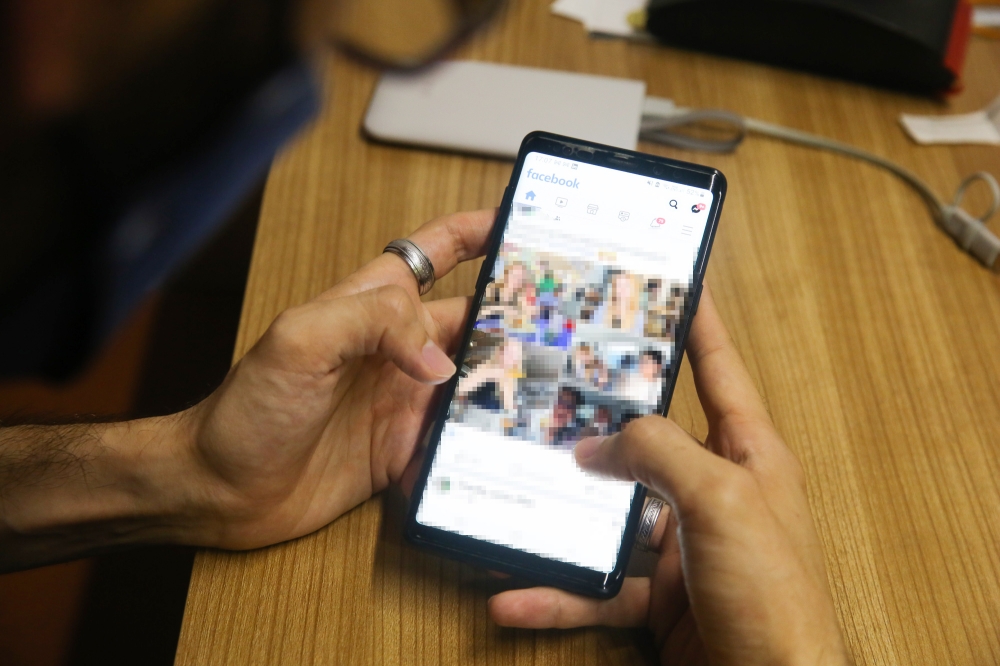
The study also delved into the alarming prevalence of online sexual violence, with 41 per cent of the 1,004 women polled reporting such experiences. The most common forms included receiving unwanted sexual messages or images and cyberstalking.
Younger women were particularly vulnerable to receiving unsolicited sexual content online. This issue affected 46 per cent of those aged 18-24 and 42 per cent of those aged 25-34, compared to lower percentages in older age groups. Cyberstalking was also a significant concern, with one in five women aged 25 to 34 experiencing it.
Reporting Gaps in the Digital Sphere
Even in the online realm, reporting rates remained low. Only 25 per cent of women who experienced online sexual violence reported it to authorities, such as the police (87 per cent of those who reported), social media platforms (27 per cent), or employers/educational institutions (19 per cent). A substantial 22 per cent chose not to report at all.
The reasons for not reporting online sexual violence mirrored those for offline incidents: a perception that the incidents were not serious enough (49 per cent), shame or stigma (41 per cent), and a fear of not being believed (40 per cent). Other significant barriers included a lack of knowledge about reporting mechanisms (30 per cent), distrust in authorities (28 per cent), and fear of retaliation (26 per cent).
Pathways to Empowerment: Recommendations for Change
The study's comprehensive report, titled "Bodily Autonomy in Malaysia: Perceptions and Experiences Across Women’s Life Stages (18-64+)," outlines a series of actionable recommendations aimed at dismantling the cycle of gender-based violence. These proposals focus on prevention, accountability, and robust support systems.
Building Safer Systems and Spaces
Key recommendations include the establishment of safe, accessible, and anonymous reporting mechanisms for both offline and online gender-based violence. The report also advocates for the integration of prevention education on physical and online gender-based violence into school and workplace curricula.
Strengthening the capacity of existing bodies, such as the Tribunal for Anti-Sexual Harassment, is also crucial. Furthermore, the study calls for specialized training for all professionals who interact with survivors, including counselors, welfare officers, and police officers, emphasizing survivor-centered approaches.
Providing adequate support for survivors, encompassing psychosocial care, economic aid, and safe shelter, is identified as a critical component of recovery and empowerment. The report stresses that these services must be readily available and tailored to individual needs.
Strengthening Legal Frameworks and Education
The study also highlights the urgent need to bolster legal frameworks. This includes the introduction of specific legislation addressing online sexual violence, such as laws against cyberstalking, the non-consensual sharing of intimate photos, and doxing. Such legal measures are vital to hold perpetrators accountable in the digital age.
A significant finding of the survey was the overwhelming agreement among 88 per cent of respondents that schools should provide comprehensive sexuality education. This education should encompass bodily autonomy, consent, healthy relationships, and reproductive health, equipping young people with essential knowledge and critical thinking skills.
The report underscores that many young Malaysians currently receive inadequate or no comprehensive sexuality education, leading them to rely heavily on unreliable sources like the internet. The implementation of a standardized, evidence-based curriculum from primary school onwards is recommended, ensuring age-appropriateness and inclusivity.
Crucially, educators, counselors, and school administrators require training on comprehensive sexuality education content and delivery. This training should prioritize creating safe, non-judgmental learning environments and building the capacity to recognize and respond effectively to disclosures of abuse. By fostering open dialogue and providing accurate information, educational institutions can play a pivotal role in preventing future violence and empowering the next generation.




 Explore AI Teaching Tools
Comments (0)
Please login to comment
No comments yet
Be the first to comment on this article