
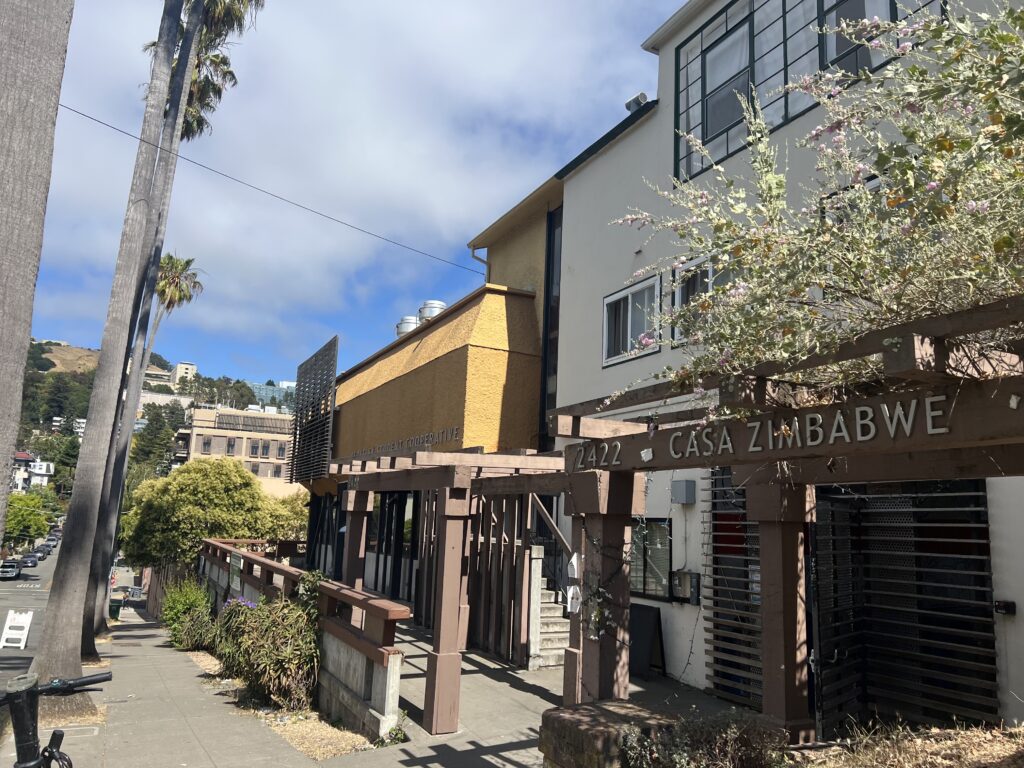
Affordable Student Housing Solutions: Exploring the Berkeley Co-op Model
Navigating the rising costs of higher education is a significant challenge for many students.Beyond tuition, the expense of securing adequate housing can be a major hurdle.
For students at the University of California, Berkeley, a unique and historically significant solution has been providing affordable living spaces and fostering strong communities for decades.
This article delves into the innovative student-run cooperative housing model, exploring how it offers a compelling alternative to traditional on-campus dorms and expensive off-campus apartments, empowering students to thrive academically and socially.
The Challenge of Student Housing Costs
The financial burden of student housing is a pervasive issue across universities nationwide.For many, the dream of attending a prestigious institution like UC Berkeley is tempered by the stark reality of exorbitant living expenses.
Traditional university housing, while convenient, often comes with a hefty price tag, frequently exceeding tens of thousands of dollars annually, and this figure typically excludes essential living costs like meal plans.
When students begin their academic journey, the prospect of securing a place to live can be a source of significant anxiety.
For instance, a student preparing for their freshman year might be shocked to discover that on-campus housing alone, without factoring in food, could cost upwards of $18,000 per year.
This figure can be particularly daunting for families, prompting difficult conversations about financial feasibility and the necessity of taking on substantial debt or loans to cover these expenses.
Many students find themselves in a position where they must either compromise on their educational aspirations or face significant financial strain.
Beyond university-provided accommodations, the search for off-campus housing often leads to another financial minefield.
The average rental market in desirable university towns is notoriously competitive and expensive.
A one-bedroom apartment in a city like Berkeley can easily command monthly rents of over $2,000.
This means that for a typical academic year, off-campus housing costs can quickly escalate, often rivaling or even surpassing the price of on-campus options, without the added benefit of a structured community or convenient location.
This escalating cost of housing creates a significant barrier to access and equity in higher education.
It disproportionately affects students from lower socioeconomic backgrounds, potentially limiting their choices and impacting their overall college experience.
The need for innovative, affordable, and community-focused housing solutions is therefore more critical than ever for students aiming to pursue their educational goals without being overwhelmed by living expenses.
Introducing the Berkeley Student Cooperative (BSC): A Legacy of Affordability
Amidst the challenges of expensive student housing, the Berkeley Student Cooperative (BSC) stands as a beacon of affordability and community for UC Berkeley students.This extensive network of student-run housing offers a tangible alternative that significantly reduces the financial burden of living while fostering a unique sense of belonging and shared responsibility.
The BSC represents a third option for students, distinct from traditional university dormitories and the often-costly private rental market.
The BSC is a non-profit organization that manages a substantial portfolio of housing, encompassing 17 houses and three apartment buildings.
Collectively, these residences accommodate over 1,300 student members.
What sets the BSC apart is its democratic, student-led governance and maintenance structure.
Students who become members are not just tenants; they are active participants in the management and upkeep of their living spaces.
This shared responsibility is a cornerstone of the co-op model and directly contributes to its affordability.
While the BSC owns many of its properties, it also leases some key locations from the university, ensuring a stable and integrated presence within the campus community.
This affiliation extends beyond UC Berkeley, as the BSC is a member of NASCO, a larger North American alliance of housing cooperatives.
This connection highlights the broader movement and shared principles of cooperative living across the continent, with similar, though often less extensive, models existing at other universities like UCLA, UC Davis, and UC Santa Barbara.
The BSC's commitment to affordability is evident in its pricing structure.
Students accepted into a co-op pay rent on a semester basis, a model that offers greater predictability and often significantly lower costs compared to traditional housing.
For example, a single room within a BSC house, which includes food and utilities, can cost substantially less than half of what UC Berkeley charges for its cheapest dorm options.
Even a four-person room within a BSC house can be priced at a fraction of the cost of a single dorm room, making it an exceptionally attractive option for budget-conscious students.
The BSC's history is deeply rooted in providing accessible living.
Founded in 1933 during the Great Depression by a former YMCA director and 14 UC Berkeley students, its original mission was to offer low-cost food and housing to the campus community.
This foundational commitment to affordability, alongside principles of anti-discrimination, access to education, and member development, continues to guide the organization today.
The BSC's executive director has emphasized that these co-ops are an "essential part of the educational ecosystem," enabling thousands of students to attend university who might otherwise be unable to due to housing costs.
The Economic Advantage: How Co-ops Deliver Savings
The financial benefits of living in a student cooperative like the BSC are substantial and directly address the primary concern of many students and their families: cost.By fundamentally restructuring how housing is managed and maintained, co-ops can offer significantly lower rates than conventional housing options.
This economic advantage is not a result of lower quality but rather a strategic approach to shared resources and labor.
To illustrate the savings, consider the stark contrast in costs.
The most economical on-campus dorm at UC Berkeley might cost over $18,000 per year, and this often includes a mandatory meal plan that adds considerably to the overall expense.
Students in these traditional halls may also find that these residences close during winter breaks, requiring them to find alternative, often costly, arrangements for accommodation during these periods.
In contrast, the BSC's standard housing option for a single room, which crucially includes food and utilities, can be as low as $4,638 per semester.
When calculated over a typical academic year, this represents a dramatic reduction in living expenses.
For students seeking even greater affordability, a four-person room within a BSC house might cost as little as $2,982 per semester, making it an exceptionally accessible option for those prioritizing budget.
The key to this affordability lies in the cooperative's operational model.
Unlike traditional housing where external staff are hired for cleaning, maintenance, and management, BSC members contribute their labor.
This "work-shift" system is central to keeping costs low.
Members are typically required to contribute a set number of hours per week towards the upkeep of their house or apartment building.
For residents in houses, this might be around five hours per week, while apartment residents might contribute around twelve hours per week.
This shared responsibility significantly reduces the need for outsourcing, thereby cutting down on operational expenses.
Furthermore, the BSC leverages bulk purchasing for food and supplies through a central warehouse.
This economies-of-scale approach further minimizes room and board costs for all members.
The cooperative structure empowers students to manage their living environment directly, with designated managers overseeing facilitation and organization within each house.
This hands-on involvement not only keeps rent costs down but also instills valuable life skills in residents.
The BSC's commitment to affordability dates back to its founding during the Great Depression, a period when low-cost housing was a critical necessity.
This historical context underscores the enduring value of the cooperative model in providing accessible living solutions, especially during times of economic hardship or when housing costs are on the rise.
The BSC proves that by working together and sharing responsibilities, students can create a sustainable and affordable living environment that supports their academic pursuits.
Building Community and Fostering Belonging
Beyond the significant financial advantages, the Berkeley Student Cooperative model excels in its ability to cultivate vibrant and supportive communities.The co-ops are designed not just as places to live, but as environments where students can connect, grow, and feel a true sense of belonging.
This focus on community is integral to the co-op experience and plays a crucial role in student well-being and academic success.
One of the most impactful aspects of the BSC is its dedication to creating housing spaces that cater to specific identity groups.
This intentional approach helps to build strong bonds among residents who share common experiences, backgrounds, or identities.
For example, the African American Theme House, established in 1997, and the Oscar Wilde House, dedicated to LGBTQ+ residents since 1999, serve as vital safe spaces.
These themed houses provide a supportive environment where students can feel understood, accepted, and empowered.
For students like Rin Hinosawa, an incoming junior who lived in the Oscar Wilde House, the experience was transformative.
They described it as "nice to have an option where you know (your housing) will be safe for you." This assurance of safety and acceptance is paramount for students, especially those who may have faced marginalization or discrimination in other living situations.
The shared experiences within these themed houses allow residents to form deep connections and find a sense of solidarity.
The cooperative structure itself inherently promotes community interaction.
Weekly house dinners, regular meetings, and organized social events are common occurrences.
These activities provide structured opportunities for members to connect with one another, fostering friendships and a supportive network.
Unlike living in a large apartment building or a traditional dorm where interactions can be more superficial, the co-op model encourages deeper engagement and mutual support.
Isaac Duarte Valdez, a fifth-year senior who has lived in Kidd Hall since arriving at UC Berkeley, highlights how the co-ops teach residents essential skills for maintaining a shared living space.
This process bridges the gap between simply living in a house and developing the independence and responsibility needed for adult life.
His extensive involvement as house president and his continued role on the BSC board of directors demonstrate the leadership opportunities available within the co-op structure.
Cyn Macias-Gomez, a recent graduate and fellow BSC board member, emphasizes that the experience within the co-op is largely what members make of it.
In a world where students often feel a lack of control, participating in and contributing to a system like the BSC provides a tangible sense of agency and collective power.
He noted that the cooperative model, with its emphasis on mutual support and shared labor, aligns perfectly with the BSC's mission, rather than outsourcing tasks that could be handled by members.
The BSC’s commitment to inclusivity and community building is an ongoing process.
Recognizing the evolving needs of students, the organization plans to open new houses that will serve students of color, as well as graduate and reentry students.
This forward-thinking approach ensures that the BSC remains a relevant and supportive housing option for a diverse range of students, continuing its legacy of providing not just affordable housing, but also a place where students can truly belong and thrive.
Student Leadership and Shared Governance
A defining characteristic of the Berkeley Student Cooperative (BSC) is its robust model of student leadership and shared governance.This democratic framework empowers students to actively participate in the decision-making processes that shape their living environment, fostering a sense of ownership and responsibility.
It's a system where students aren't just residents; they are integral to the operation and evolution of their housing.
The BSC operates on the principle that those who live in the co-ops should have a direct say in how they are run.
This translates into a multi-layered governance structure where students hold leadership positions at various levels.
From individual house presidents and boards to the overarching BSC board of directors, students are at the helm, making crucial decisions about everything from financial management and policy development to community standards and operational improvements.
This student-led approach is not merely symbolic; it has practical implications for the daily functioning of the co-ops.
For example, students like Isaac Duarte Valdez have served as house presidents for multiple years, gaining invaluable experience in leadership, conflict resolution, and organizational management.
This hands-on involvement provides a real-world education in governance and community building that extends far beyond the classroom.
The work-shift system, as previously mentioned, is a prime example of shared governance in action.
Students collectively decide how to allocate tasks, manage resources, and ensure that the houses are well-maintained.
This collaborative effort requires communication, compromise, and a shared commitment to the well-being of the community.
It instills a sense of accountability and mutual reliance among residents.
Cyn Macias-Gomez, another student leader, has served on the BSC board of directors.
This role involves engaging with broader organizational issues, contributing to strategic planning, and representing the interests of the student membership.
Such positions offer students the opportunity to develop critical thinking skills, learn about non-profit management, and advocate for their peers.
The BSC also actively promotes member education, ensuring that students understand the principles of cooperative living, their rights and responsibilities, and the mechanisms of democratic governance.
This commitment to education empowers students to be informed and effective participants in their community.
It helps them understand how their collective actions contribute to the overall success and affordability of the co-op system.
The historical roots of the BSC, founded during a time of economic hardship, underscore the enduring relevance of student empowerment.
By entrusting students with leadership and governance, the BSC not only provides affordable housing but also cultivates a generation of engaged citizens and capable leaders.
This model of shared responsibility and democratic participation is a powerful testament to what can be achieved when students are given the opportunity to shape their own living and learning environments.
The BSC's Role in the Educational Ecosystem
The Berkeley Student Cooperative (BSC) is more than just a provider of affordable housing; it is an integral component of the broader educational ecosystem at UC Berkeley and in the surrounding East Bay area.Its impact extends beyond providing a roof over students' heads, contributing significantly to their academic success, personal development, and overall college experience.
Research indicates that stable and affordable housing is a critical determinant of academic performance.
When students are not burdened by the constant stress of finding and affording housing, they can dedicate more time and energy to their studies.
The BSC's low-cost model alleviates this financial pressure, allowing students to focus on their coursework, attend classes regularly, and engage more deeply with their academic pursuits.
This has a direct positive impact on their grades and their ability to complete their degrees.
Furthermore, the strong sense of community fostered within the BSC provides a vital support network for students.
Navigating the challenges of university life can be isolating for some.
The co-ops offer a built-in social structure where students can find friends, mentors, and peers who understand their experiences.
This peer support can be invaluable for mental health, academic motivation, and overall well-being.
Students said that having this community made their transition to college smoother and their overall experience more positive.
The leadership and governance opportunities within the BSC also contribute significantly to students' personal and professional development.
By taking on roles such as house president, board member, or committee chair, students gain practical experience in management, communication, problem-solving, and teamwork.
These are transferable skills that are highly valued by employers and are essential for success in any career path.
The BSC provides a unique training ground for future leaders.
The BSC's commitment to inclusivity and creating spaces for specific identity groups is also a crucial aspect of its educational contribution.
By providing safe and supportive environments for marginalized students, the BSC helps to ensure that these students have equitable access to education and the opportunity to thrive.
This focus on diversity and inclusion enriches the entire campus community and prepares students for a diverse and interconnected world.
The executive director of the BSC has stated that the co-ops are an "essential part of the educational ecosystem." This statement underscores the organization's recognition of its vital role in enabling students to access and succeed in higher education.
Without the BSC, many students would face insurmountable housing costs, potentially preventing them from attending UC Berkeley or forcing them to make difficult compromises that could impact their academic journey.
The BSC, therefore, plays a crucial role in democratizing access to higher education and fostering a more equitable learning environment.
Conclusion
The Berkeley Student Cooperative (BSC) stands as a powerful testament to the efficacy of student-run housing in addressing the critical issue of affordable living for university students.By embracing a model of shared governance, collective responsibility, and community building, the BSC offers a compelling alternative to the escalating costs associated with traditional on-campus dormitories and the private rental market.
Students who have chosen this path consistently report significant financial savings, enabling them to focus more intently on their academic pursuits without the overwhelming burden of exorbitant housing expenses.
Beyond the economic advantages, the BSC cultivates a unique and supportive living environment.
The emphasis on shared labor, democratic decision-making, and the creation of themed houses for specific identity groups fosters a profound sense of belonging and mutual support.
This vibrant community not only enhances the overall student experience but also equips residents with invaluable leadership, organizational, and interpersonal skills.
The BSC is not merely a place to reside; it is an active participant in the educational journey, empowering students and making higher education more accessible and enriching for a diverse range of individuals.
The model demonstrates that through collaboration and shared purpose, students can indeed create sustainable, affordable, and deeply fulfilling living solutions.







 Explore AI Teaching Tools
Comments (0)
Please login to comment
No comments yet
Be the first to comment on this article