
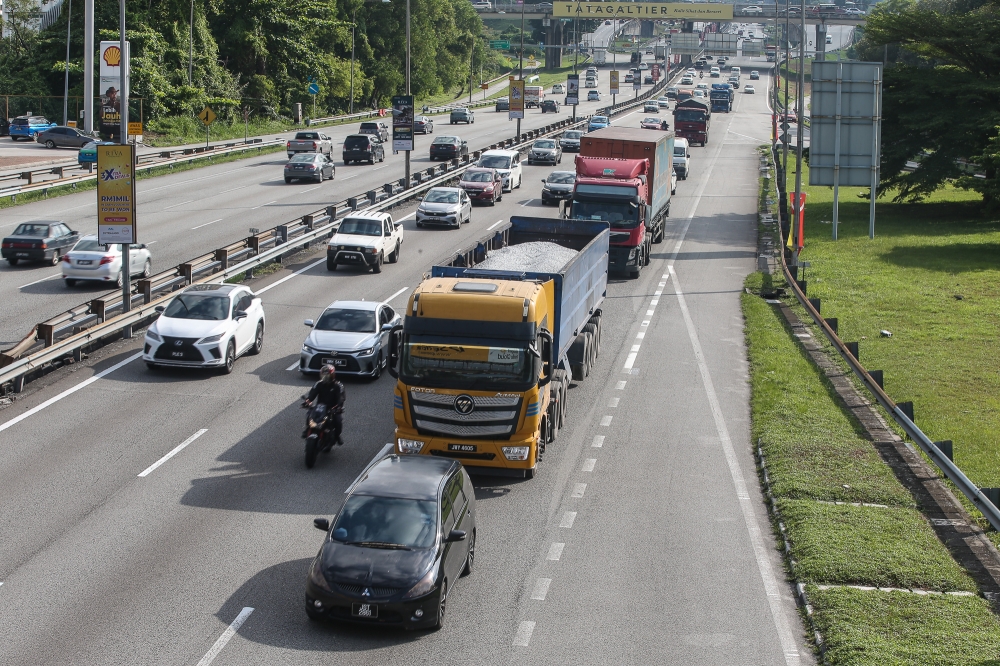
Diesel Shockwave: Truckers Warn of Economic Ripple as Fuel Costs Skyrocket
A seismic shift in fuel prices is sending tremors through the nation's vital logistics sector, with operators of heavy-duty lorries sounding the alarm on unsustainable costs. The surge in diesel prices, already more than doubling for many, is not just impacting the bottom line of trucking companies; it's threatening to stall crucial construction projects and push up the prices of everyday goods for consumers nationwide.
The Squeeze on the Road: Operators Face Unprecedented Pressure
For the backbone of the nation's supply chains – the thousands of lorries that transport everything from raw materials to finished products – the current economic climate is becoming a daily battle for survival. The immediate and profound impact of escalating diesel costs is forcing difficult decisions, with many operators already scaling back operations or contemplating drastic measures.
A Cascading Effect on Everyday Life
The ripple effect of soaring fuel prices is felt far beyond the driver's seat. As the costs associated with moving goods increase, these expenses inevitably find their way into the prices of essential items. This means that even consumers who don't directly interact with the trucking industry are already experiencing the pinch.
Hairi Ali, an advisor for the Malaysian Association of Land Lorry Drivers, articulated the stark reality: "When oil goes up, transportation goes up. When transportation goes up, the whole economic line gets stuck. Maybe others don’t feel it yet, but we feel it." He emphasized that while efforts are being made to control inflation, the fundamental economics of transportation costs make it an uphill battle.
Operators are caught in a difficult bind. "We don’t want to raise prices because we are also consumers. But if there is no profit at all, what can we do?" This sentiment highlights the dilemma faced by businesses that are simultaneously bearing the brunt of increased operational costs and trying to shield their own customers from further price hikes.
Vulnerability of Smaller Fleets
The impact of these rising costs is not uniform across the industry. Smaller operators, those managing a handful of lorries, are finding themselves particularly exposed. Their limited resources and smaller scale make it harder to absorb the escalating fuel expenses compared to larger companies with more extensive networks and financial buffers.
Ali, a veteran with over three decades in the industry, shared his personal experience: "I used to have 10 lorries. Now I only have two. I saw it coming." This personal anecdote underscores the proactive, albeit painful, adjustments many are making in anticipation of worsening conditions, a clear indicator of the severity of the situation.
Beyond Fuel: A Multifaceted Cost Crisis
While the dramatic increase in diesel prices is the most visible challenge, it's not the sole contributor to the mounting pressure on the trucking industry. A confluence of factors, including regulatory changes and the rising prices of essential vehicle components, is exacerbating the financial strain on operators.
The Shadow of Overloading Crackdowns
Jeff Teh, secretary-general of the Selangor and Kuala Lumpur Trucking Association, pointed out that the industry had already undergone a period of adjustment following a government crackdown on overloading. This initiative, while ultimately beneficial for improving safety and industry standards, led some operators to divest their fleets.
The subsequent market stabilization was a welcome, albeit temporary, respite. "Now diesel has more than doubled for those without subsidy. Fuel alone is about 30 to 40 per cent of operating cost – that itself is already killing," Teh stated, illustrating the significant portion of operational expenses now consumed by fuel alone.
The Silent Rise of Ancillary Costs
Even for those operators who still benefit from some level of fuel subsidy, the cost pressures are far from over. The prices of other critical components and maintenance services are also on the rise, adding another layer of financial burden.
"For those with subsidy, the main cost – fuel – is still partly covered, so the increase is not so big. But indirect costs like engine oil have already gone up about 20 per cent, and tyres and spare parts will follow," Teh explained. This indicates a broader inflationary trend affecting the entire ecosystem of vehicle operation and maintenance.
Many operators are currently absorbing these increased costs, hoping for a stabilization of prices. "At the moment we are still absorbing. We wait one or two months. If it goes up more, then no choice – we have to increase prices," Teh added, revealing the precarious balancing act many are performing.
Construction Sector at a Standstill
The construction industry, heavily reliant on the transport of bulk materials, is experiencing some of the most acute consequences of the diesel price surge. Tipper lorry operators, in particular, are finding their business models under severe threat.
Disparities in Subsidy Impact
Tan Boon Hing, secretary-general of the Malaysian Tipper Lorry Association, highlighted significant cost disparities within the sector. While some types of lorries, such as mixer trucks and trailer units, may still benefit from subsidies, rigid tipper lorries, often the workhorses of construction sites, are largely excluded.
"That’s why for them the price is very bad. Diesel went from RM2.15 to RM3, then RM4, now RM5.50. It’s more than double already," Tan stated, painting a clear picture of the dramatic price escalation for these essential vehicles. This creates an uneven playing field and makes it incredibly difficult for some operators to remain competitive.
The Volatility of Fixed Contracts
The unpredictable nature of fuel prices presents a significant challenge for contractors who operate under fixed agreements. These contracts, often signed months in advance, do not easily accommodate the rapid and substantial increases in operational expenses.
"Every week the price is different. Construction contracts are already signed, so you cannot simply adjust. If you continue, you lose money. If you stop, also problem," Tan elaborated on the dilemma faced by businesses locked into long-term commitments with fluctuating costs.
The inability to pass on these rising costs to clients, for fear of losing business, leaves many operators in a precarious position. "If we increase prices, customers will go elsewhere. If we don’t increase, we lose money. So both sides just look at each other," Tan described the stalemate.
Projects Halted, Work Stopped
The economic fallout is already visible on the ground, with numerous construction projects grinding to a halt. Areas like Klang, Meru, and Tapah are experiencing significant disruptions as the cost of essential materials and transportation becomes prohibitive.
The price of industrial diesel, crucial for heavy machinery and construction vehicles, has seen a dramatic increase, soaring from around RM3 per litre to between RM6.90 and RM7.20. This surge, coupled with the rising costs of tyres, spare parts, and general maintenance, makes continuing operations financially untenable for many.
Navigating the Subsidy Landscape: Gaps and Calls for Action
Malaysia's diesel subsidy framework has historically provided a crucial buffer for parts of the logistics sector, particularly for cargo and trailer operators. However, the current pricing structure has exposed significant gaps, leading to stark cost differences within the industry.
Regional Price Disparities
A key point of contention for operators is the stark contrast in diesel prices between Peninsular Malaysia and the East Malaysian states of Sabah and Sarawak. While Peninsular Malaysia has seen prices more than double, the prices in Sabah and Sarawak have remained significantly lower.
"Also, why are Sabah and Sarawak still at RM2.15 per litre, but here we are paying more than double?" Tan questioned, highlighting the competitive disadvantage faced by operators in the peninsula. This disparity raises concerns about fairness and the ability of businesses to operate on a level playing field across the country.
Urgent Need for Targeted Support
In light of the escalating crisis, calls for immediate and targeted intervention are growing louder. Operators are urging policymakers to consider temporary support measures to prevent further economic disruption.
"Give us a temporary subsidy during the war. Even a quota per lorry per month also can. Otherwise everything will stop," Tan pleaded, emphasizing the urgency of the situation. The suggestion of a quota system or temporary subsidy indicates a desire for practical solutions that can provide immediate relief.
Hairi Ali echoed this sentiment, advocating for a thoughtful and considered approach to policy-making. "Find a way to help the people first. We are suffering. Take some time and find the best solutions and not knee-jerk reactionary decisions, as those don’t work long term," he advised, stressing the importance of sustainable solutions over short-term fixes.
As operators grapple with shrinking margins and mounting uncertainty, the hope is for stability and a return to predictable operating costs. However, with the current trajectory of fuel prices and the interconnectedness of the economy, the pressure on the trucking industry is poised to have a lasting impact that extends far beyond the roads.






 Explore AI Teaching Tools
Comments (0)
Please login to comment
No comments yet
Be the first to comment on this article