
Navigating the Shifting Sands of Education: Understanding Illiberalism from Left and Right
In today's rapidly evolving educational landscape, a complex challenge has emerged, impacting institutions from K-12 schools to universities.This challenge, often termed "illiberalism," isn't confined to a single political ideology but rather manifests as a concerning trend across the political spectrum.
Understanding its roots and manifestations is crucial for fostering a robust and open environment for learning and discourse.
This article delves into how both left-leaning and right-leaning approaches can, at times, inadvertently stifle intellectual freedom and critical inquiry, offering insights for educators, students, and policymakers alike.
The Rise of Illiberal Tendencies in Modern Education
The past few years have seen a heightened awareness of what many perceive as an erosion of free speech and open debate within educational settings.This concern is not new, but its prominence has grown, fueled by significant societal shifts and political polarization.
Reports and discussions frequently highlight instances where established academic freedoms appear to be under pressure, leading to a re-evaluation of the principles that underpin a healthy educational ecosystem.
Defining the Challenge: What is Educational Illiberalism?
At its core, educational illiberalism refers to any approach that seeks to limit or suppress the free exchange of ideas, critical thinking, or diverse viewpoints within an academic context.This can manifest in various ways, including censorship, the imposition of ideological litmus tests, or the creation of environments where certain ideas are deemed off-limits for discussion or exploration.
It’s a departure from the traditional ideal of the university or school as a marketplace of ideas, where robust debate and intellectual challenge are encouraged.
The "Woke" Era and its Educational Fallout
During a period often characterized by heightened social justice activism, roughly from the mid-2010s to the early 2020s, many educational institutions faced significant pressure to address issues of equity, diversity, and inclusion.While these efforts aimed to create more equitable and representative learning environments, critics argue that they sometimes led to an overemphasis on ideological conformity.
Research indicates that in some instances, this led to a chilling effect on open discourse, where individuals feared expressing dissenting opinions for fear of professional or social repercussions.
The focus on "anti-racist" dogma and the rapid expansion of discussions around gender ideology, while important topics, sometimes overshadowed the fundamental principles of academic freedom.
The Republican Response: Course Correction or New Illiberalism?
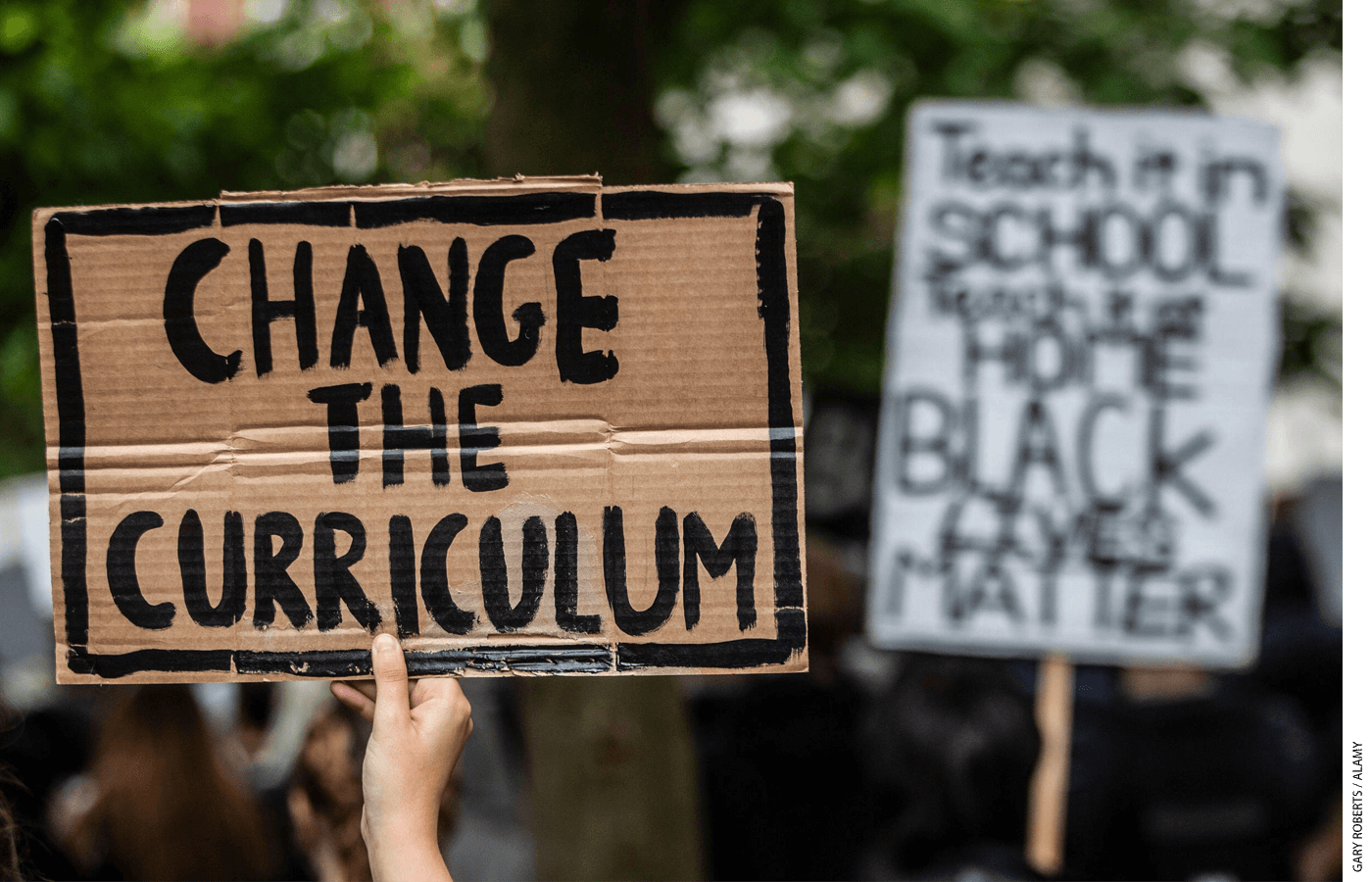
In reaction to these perceived excesses, many on the political right have advocated for significant reforms in education.This has led to a surge of legislation and policy changes in various states, often targeting curriculum content, diversity initiatives, and campus speech codes.
While proponents frame these actions as a necessary course correction to restore traditional values and intellectual rigor, critics contend that some of these responses have themselves veered into illiberal territory.
The push to ban certain topics or ideologies from schools, while framed as a defense of traditional education, can, in practice, mirror the restrictive tendencies it aims to combat.
The Left's Contribution to Educational Illiberalism
The initial impetus for many of the concerns surrounding illiberalism in education stemmed from what many perceived as a left-leaning assault on free inquiry.This involved a range of actions and attitudes that, intentionally or not, limited the scope of permissible discourse.
Silencing Dissent: The "Gaslighting" of Critics
During the peak of what has been termed the "woke" era, individuals who raised concerns about perceived ideological overreach in education often found themselves dismissed or marginalized.Studies indicate that many academics, journalists, and even some political figures on the right were accused of paranoia or engaging in "right-wing bellyaching" when they pointed to instances of censorship or ideological pressure.
This created an environment where genuine concerns were often met with eye-rolling dismissals, making it difficult to have an open conversation about the health of academic discourse.
The Impact of DEI Initiatives
Diversity, Equity, and Inclusion (DEI) initiatives, while often well-intentioned, have also been a focal point of debate.Research suggests that in some cases, the implementation of DEI programs has led to environments where questioning the underlying tenets of these initiatives could be perceived as problematic.
This has, for some, created a situation where open discussion about the effectiveness or potential unintended consequences of DEI policies is discouraged, leading to a form of ideological enforcement.
"Cancel Culture" and its Educational Repercussions
The phenomenon of "cancel culture," where individuals face public backlash and professional consequences for perceived transgressions, has also had a significant impact on educational institutions.Studies indicate that the fear of being "canceled" can lead to self-censorship among students and faculty, discouraging them from engaging in controversial or unpopular topics.
This creates an atmosphere of apprehension rather than intellectual exploration.
The Right's Counter-Response and its Own Illiberal Manifestations
The reaction to the perceived left-leaning illiberalism has, in many instances, led to a robust counter-movement on the right.However, this response has, at times, adopted tactics that mirror the very illiberal tendencies it sought to oppose.
Legislative Overreach: Banning Books and Curricula
A prominent feature of the right's response has been the introduction of extensive legislation aimed at controlling curriculum content and campus speech.This has included efforts to ban books deemed controversial, restrict discussions of race and gender, and limit the scope of DEI programs.
While these actions are often framed as a defense of traditional values and parental rights, critics argue that they can lead to a form of censorship that stifles intellectual freedom and limits students' exposure to diverse perspectives.
For example, instances have been reported where assigning classical texts like Plato's Symposium has been questioned due to concerns about their potential to violate bans on teaching "race and gender ideology," illustrating a rigid and potentially illiberal interpretation of such policies.
The Sidelining of Moderate Voices
The intensity of the debate has, in some cases, led to the marginalization of more moderate voices within the conservative movement.Many who might have advocated for a more nuanced approach to educational reform have found themselves drowned out by more strident voices.
This has created an environment where compromise and thoughtful deliberation are difficult, and where a more absolutist stance on certain issues prevails.
Performative Politics and Educational Policy
Some critics argue that certain actions taken by political figures and activist groups on the right have been more performative than substantive, aimed at signaling ideological purity rather than fostering genuine educational improvement.This can lead to policies that are driven by political expediency rather than sound pedagogical principles, further contributing to an illiberal educational climate.
The Hypocrisy of Illiberalism: A Left-Right Convergence
The most striking aspect of the current educational climate is the apparent hypocrisy that emerges when both sides of the political spectrum engage in illiberal practices.What began as a concern about left-wing restrictions on speech has, in some instances, been met with right-wing restrictions on speech, creating a cyclical pattern of suppression.
The Paradox of Free Speech Debates
It is a paradox that in the very institutions dedicated to the pursuit of knowledge and the free exchange of ideas, debates about free speech have become so contentious.When Republicans champion free speech by challenging what they perceive as "woke" ideology, but then enact policies that restrict certain viewpoints, it raises questions about the sincerity of their commitment to open discourse.
Conversely, when those on the left advocate for inclusivity but then silence dissenting opinions, the same questions arise.
The Role of Traditional vs.
Insurgent Voices The tension between traditional educational approaches and more insurgent, activist-driven movements is evident on both sides.
For years, many traditional Republicans championed educational reforms like charter schools and programs like Teach For America.
However, they sometimes found themselves at odds with leaders within these movements who were critical of the Republican party.
This dynamic has played out in reverse as well, with some on the right viewing established conservative figures as too timid in their response to perceived ideological threats.
The Search for a Balanced Approach
The current climate highlights the urgent need for a balanced approach to education that upholds the principles of academic freedom and open inquiry.This requires a willingness to engage with diverse perspectives, even those that are challenging or uncomfortable.
It also necessitates a critical examination of how both progressive and conservative ideologies can, at times, lead to illiberal outcomes.
Lessons from the Past for a Better Educational Future
Understanding the historical context of educational debates is crucial for navigating the present challenges.The past offers valuable lessons about the importance of intellectual humility, the dangers of ideological rigidity, and the enduring value of open discourse.
The Legacy of Common Core and its Aftermath
The debates surrounding initiatives like Common Core in the past serve as a cautionary tale.While intended to standardize educational outcomes, these initiatives faced significant backlash, often along partisan lines.
This period demonstrated how deeply ingrained political divisions can become intertwined with educational policy, sometimes overshadowing pedagogical considerations.
The perception that traditional Republicans were outmaneuvered in these debates contributed to a sense of urgency and a desire for more forceful responses in subsequent years.
The Importance of Nuance in Educational Reform
The history of educational reform is replete with examples where well-intentioned efforts have had unintended consequences.The push for accountability, for instance, has sometimes led to an overemphasis on standardized testing, potentially narrowing the curriculum and stifling creativity.
Similarly, efforts to address historical injustices can, if not carefully implemented, lead to new forms of division or resentment.
The past teaches us that educational reform requires nuance, careful consideration, and a commitment to evidence-based practices.
Reclaiming the Spirit of Open Inquiry
The current challenges underscore the importance of reclaiming the spirit of open inquiry that has long been a cornerstone of education.This means fostering environments where students and educators feel empowered to ask difficult questions, challenge assumptions, and engage in respectful debate.
It requires a commitment to intellectual diversity and a recognition that progress is often made through the rigorous examination of competing ideas.
Actionable Insights for Educators and Learners
Navigating the complexities of illiberalism in education requires proactive engagement from all stakeholders.Here are some practical insights for fostering a more open and intellectually vibrant learning environment:
Cultivating Intellectual Humility
* Embrace Uncertainty: Recognize that knowledge is often provisional and that there are always more questions to ask. * Listen Actively: Make a genuine effort to understand perspectives that differ from your own, even if you disagree with them. * Be Open to Revision: Be willing to change your mind when presented with compelling evidence or arguments.Promoting Robust Discourse
* Establish Clear Norms: Create classroom or institutional guidelines that emphasize respectful dialogue, active listening, and constructive criticism. * Facilitate Diverse Perspectives: Intentionally introduce students to a wide range of viewpoints, including those that may be controversial or challenging. * Model Critical Thinking: Demonstrate how to analyze arguments, identify biases, and evaluate evidence effectively.Defending Academic Freedom
* Understand Your Rights and Responsibilities: Be aware of the principles of academic freedom and how they apply in your context. * Speak Up Against Censorship: Challenge instances where legitimate academic inquiry is being suppressed or restricted. * Support Open Platforms: Advocate for environments where a wide range of ideas can be discussed and debated freely.Engaging with Policy Critically
* Examine the Intent and Impact: When new educational policies are proposed, critically assess their stated goals and their potential consequences for intellectual freedom and educational quality. * Advocate for Evidence-Based Practices: Support policies that are grounded in research and pedagogical best practices, rather than purely ideological considerations. * Promote Transparency: Encourage open and transparent decision-making processes in educational institutions and government.Conclusion
The challenge of illiberalism in education is not a partisan issue but a fundamental threat to the very purpose of learning.As we look back at the past decade, it's clear that both left-leaning and right-leaning approaches have, at times, contributed to an environment where intellectual freedom has been compromised.
The intense polarization and the demand for ideological conformity have, for many, pushed sensible course correction into the realm of performative politics and triumphalism.
The sidelining of moderate voices and the rise of hard-charging insurgents on both sides have created a climate of distrust.
For those seeking to foster a truly educational environment, the lessons from the past are clear: we must champion open inquiry, embrace intellectual humility, and actively defend the principles of free speech and diverse thought.
The future of education depends on our collective ability to resist the allure of illiberalism, regardless of its political origin, and to recommit ourselves to the pursuit of knowledge in an open and critical spirit.






 Explore AI Teaching Tools
Comments (0)
Please login to comment
No comments yet
Be the first to comment on this article