
Special Education Crisis Ignites Fierce Battles at the Bargaining Table
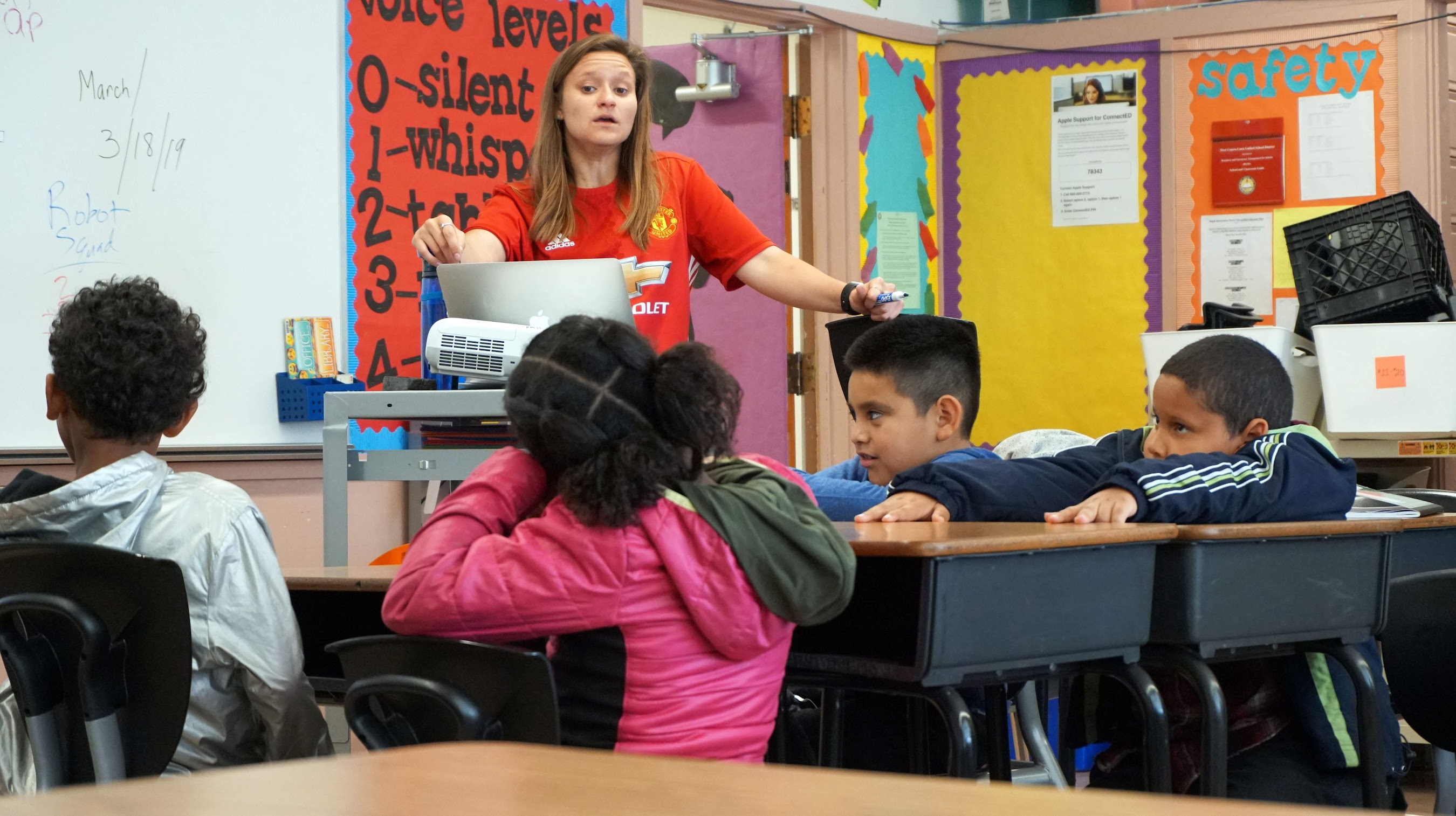
A seismic shift is underway in education negotiations across California, with special education no longer a secondary concern but a central battleground. From the bustling streets of San Diego to the iconic hills of San Francisco and the industrial heartland of West Contra Costa, teachers are drawing a firm line, demanding action on overloaded special education caseloads that they say are pushing dedicated professionals to the brink.
The Unraveling of Support Systems
The stark reality is that special education staffing shortages have escalated to what many are calling a "crisis" level, impacting not just California but the entire nation. This dire situation is forcing districts to confront difficult choices, leading to negotiated agreements that prioritize the recruitment and retention of these vital educators, often through measures like reduced caseloads and financial incentives.
In San Diego Unified School District, the message from educators was unequivocal. When over 90% of teachers voted to authorize a strike, the underlying cause wasn't solely about salary bumps or enhanced health benefits. It was a powerful outcry against special education caseloads that many teachers feel are unsustainable, driving them away from a profession they deeply care about.
While compensation and healthcare remain critical components of any contract negotiation, the working conditions for special education teachers have emerged as a significant point of contention in this year's labor discussions. This issue has also been a major hurdle in high-profile teacher strikes that have captured statewide attention in both West Contra Costa and San Francisco.
A Growing Demand, A Shrinking Pipeline
The increasing prominence of special education at the bargaining table reflects a complex interplay of rising student needs and persistent funding challenges. As Naj Alikhan, senior director of marketing and communications for the Association of California School Administrators (ACSA), observes, the specific issues may vary by district, but the financial strain of serving students with special needs is a universal pressure.
This friction is occurring against a backdrop of a steadily increasing number of students qualifying for special education services. In California, the proportion of students identified for special education has climbed from 13% in the 2018-19 academic year to an estimated 15% for 2024-25. This surge in demand, coupled with the difficulty in finding and keeping qualified staff, is creating an untenable situation.
Veronica Coates, chair of SELPA Administrators of California, has characterized the special education staffing shortages as a "statewide and national challenge at a crisis level." Schools are grappling with the immense task of hiring enough personnel to support an ever-growing population of students with complex needs, a challenge exacerbated by a pipeline of credentialed professionals that has not kept pace with the demand.
The Weight of Case Management
Beyond their core instructional duties, special education teachers often shoulder the significant responsibility of case management. This role involves meticulously assessing each student's unique educational requirements, meticulously crafting Individualized Education Programs (IEPs)—the legally mandated blueprints for a student's academic journey—and orchestrating crucial meetings with families and other educational stakeholders.
"That’s a lot of work to try to fit into a six-hour and 35-minute day on site," explains Monique Barrett, a special education teacher and vice president for the San Diego Education Association. "And then us being teachers, we take it home." The emotional and professional toll of these extensive responsibilities, often extending far beyond the school day, is a significant factor.
Strikes, Stipends, and Solutions
The intense focus on special education caseloads has yielded tangible results in districts that have experienced labor disputes. In San Francisco Unified, agreements were reached to reduce caseloads for some special educators and to provide compensation when caseloads exceed contractual limits. Similarly, in West Contra Costa, where concerns were raised about the district's reliance on external contractors for special education services, teachers secured additional pay and retention bonuses.
The San Diego Education Association, in a move that averted a planned strike, reached a tentative agreement that addresses the critical issue of caseloads. The union's first strike authorization in three decades was largely driven by an unfair labor practice charge filed over what they deemed "unsustainable" caseloads that were forcing teachers out of the district and even out of the profession due to burnout.
The new agreement in San Diego offers monthly stipends to teachers whose caseloads surpass contractual limits, effectively settling long-standing grievances. It also provides special education teachers of students with less intensive needs with five dedicated days per year, covered by substitute teachers, to focus on caseload management tasks. Those supporting students with more extensive needs will receive an annual stipend of $4,000.
Investing in the Future of Special Education
Furthermore, the San Diego agreement introduces a pathway for teachers to obtain credentials at no cost, aiming to fill special education vacancies from within the existing teaching staff. This initiative underscores a commitment to building a sustainable internal talent pool.
The broader implications of these local struggles are amplified by statewide advocacy efforts. The California Teachers Association's "We Can't Wait" campaign, involving over 30 local unions, highlights staffing levels as a key concern. Many participating unions have zeroed in on special education caseloads, recognizing their direct impact on the learning environment for all students.
"It didn’t take a lot to get members to connect those dots," notes Sarah Darr, a speech and language pathologist and campaign organizer for San Diego Unified. "They saw the impacts when those students were not getting the behavioral and academic support they needed. It was impacting the whole class." This interconnectedness of student support and overall classroom dynamics is a powerful motivator for broader union action.
The Ripple Effect of Understaffing
Districts struggling to attract and retain qualified special education professionals often turn to substitute teachers or individuals without specialized credentials. This reliance places an additional burden on experienced teachers, who frequently find themselves managing caseloads that far exceed the district's stated cap of 20 students. Monique Barrett shared instances where she was assigned as many as 25 students, with her department chair managing even more.
These veteran teachers also become informal mentors, providing crucial support to newer educators or those still pursuing their special education credentials. "Not only do you have your casework that you’re doing, you also wind up supporting your newbies and your interns and helping them do their work, as well, to hopefully keep them in the field," Barrett added, illustrating the extensive mentorship role many experienced teachers fulfill.
A Call for Systemic Change
Addressing the deep-seated issues in special education requires a coordinated approach that spans multiple levels of the educational system. Coates emphasizes the need for "coordination across K-12 education, higher education and state and federal policymakers" to tackle the workforce and funding challenges effectively.
Educators and advocates for students with disabilities point to a long-standing unmet promise from the federal government. The Individuals with Disabilities Education Act (IDEA), a landmark piece of legislation enacted in 1975, mandates that schools provide necessary support for students with disabilities, yet the federal government has consistently fallen short of its commitment to fund 40% of these costs.
"This is an opportunity for labor and management to come together and press lawmakers to fund federal programs that support special education students," suggests Alikhan from ACSA, highlighting the potential for collaborative advocacy.
The Stark Financial Divide
The financial realities are stark. Fabi Bagula, superintendent of San Diego Unified, revealed that special education costs the district approximately $400 million annually, yet it receives only about $125 million from state and federal sources. This significant funding gap leaves the district struggling to provide the comprehensive resources that students and their families require.
"It’s not enough money. It’s not enough money to provide all of the resources that our students and families need," Bagula stated, underscoring the urgent need for increased financial support. Her advocacy, alongside board vice president Sabrina Bazzo in Sacramento, specifically targets greater funding for students with disabilities.
David Goldberg, president of the California Teachers Association, views the current situation in special education as a symptom of a broader underfunded education system. "Students with special needs need more resources, which they deserve, and in a whole education system that’s already kind of in survival mode and pushed to the brink, it’s very easy for those students’ needs to not get met," he lamented. "And it’s just heartbreaking for educators."
The intense negotiations and the growing teacher activism around special education signal a critical juncture. The demands for adequate staffing, manageable caseloads, and sufficient resources are not just about the well-being of teachers; they are fundamentally about ensuring that every student, regardless of their needs, receives the high-quality education they are entitled to. The path forward will undoubtedly require sustained collaboration and a significant commitment to equitable funding from all levels of government.





 Explore AI Teaching Tools
Comments (0)
Please login to comment
No comments yet
Be the first to comment on this article