
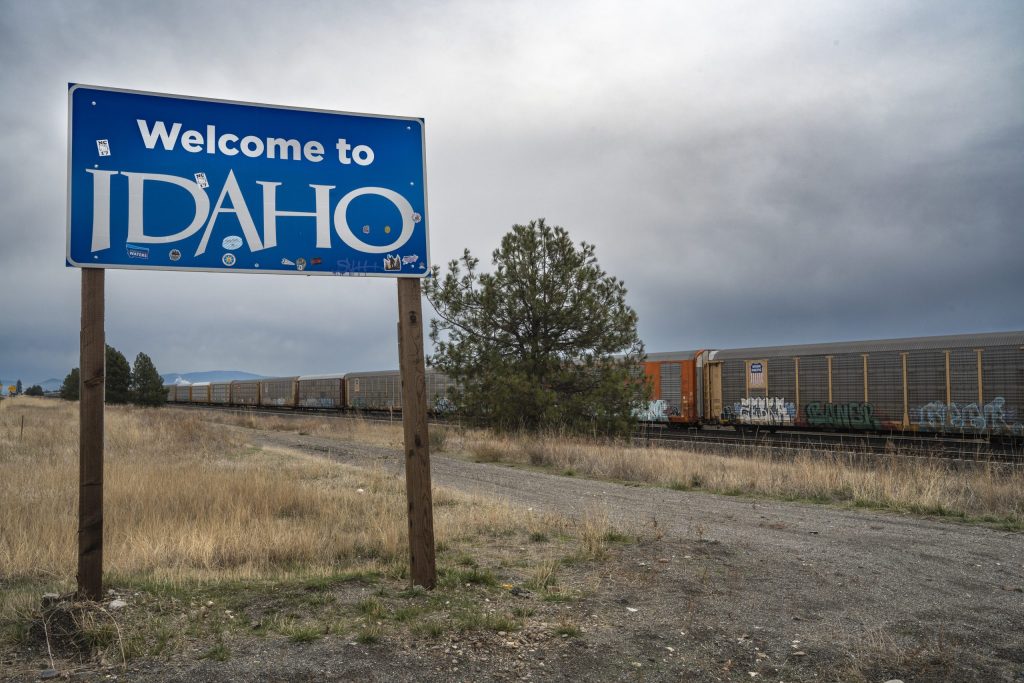
Navigating Educational Divides: A Community's Fight for Public Schools in Lakeland, Idaho
In the heart of Kootenai County, Idaho, a passionate debate is unfolding, highlighting the complex intersection of community values, political ideologies, and the future of public education.This narrative delves into the challenges faced by a local school district, exploring how deeply held beliefs can shape educational policy and community engagement.
For parents and educators alike, understanding these dynamics is crucial for fostering supportive and effective learning environments.
The Shifting Landscape of Community Engagement in Education
The educational journey for many families begins with a deep commitment to their children's development.In Kootenai County, this commitment has manifested in diverse ways, from homeschooling to active participation in public school governance.
Suzanne Gallus, a mother who transitioned from homeschooling her seven children to becoming a fervent advocate for public schools, exemplifies this evolution.
Her experience underscores a broader trend: as children grow and engage with the wider community, parents often find themselves drawn into the intricate workings of the institutions that shape their futures.
From Homeschooling to Public School Advocacy
Gallus's personal journey illustrates a profound shift in perspective.Initially choosing homeschooling to provide a tailored education, she later recognized the value of public schools in offering diverse social interactions and broader exposure to different viewpoints.
This realization propelled her into a more active role, not just as a parent, but as a community organizer dedicated to supporting the local school system.
Her story is a testament to how personal experiences can ignite a passion for public service and educational reform.
The Influence of Political Ideologies on School Boards
The landscape of public education is increasingly influenced by broader political currents.In Kootenai County, the Lakeland Joint School District has become a focal point for these ideological clashes.
The Kootenai County Republican Central Committee (KCRCC) has played a significant role in shaping local politics, including school board elections.
Their strategy of vetting and endorsing candidates aims to promote a specific set of conservative values within educational institutions.
Understanding the KCRCC's Role
The KCRCC's approach involves a rigorous process of evaluating candidates, often based on their alignment with fiscally and socially conservative principles.This method, while intended to empower like-minded individuals, has also sparked debate about the role of political endorsements in non-partisan school board races.
Critics argue that such endorsements can prioritize political agendas over the practical needs of students and educators, potentially leading to a less inclusive and more ideologically driven school environment.
The "Disruption Politics" Phenomenon
Some observers describe this approach as "disruption politics," a strategy aimed at challenging established norms and institutions.In the context of school boards, this can translate into efforts to influence curriculum, book selections, and teaching methodologies.
The goal, as articulated by some proponents, is to ensure that educational content reflects specific community values and parental rights.
However, this can create friction with educators and administrators who advocate for a broader, more inclusive curriculum.
Community Divisions and Their Impact on Educational Decisions
The Lakeland Joint School District, serving approximately 4,500 students across a vast rural area, has become a microcosm of wider societal divisions.The influx of new residents, many from different political backgrounds, has amplified these tensions.
This demographic shift, coupled with the increasing politicization of school board elections, has created a challenging environment for maintaining educational consensus.
The Lakeland School Board Elections: A Case Study
Recent school board elections in the Lakeland district have highlighted these deep-seated divisions.The races have often been less about specific educational policies and more about allegiances within a community grappling with its evolving identity.
The KCRCC's influence has been evident, with endorsed candidates often facing off against those who advocate for a more traditional, non-partisan approach to school governance.
The Struggle for Control: Traditional Conservatives vs.
Far-Right Factions Within the Republican party itself, a divide has emerged between traditional conservatives and more ideologically driven factions.
This internal conflict plays out in local politics, including the Kootenai County Republican Central Committee.
Efforts to reclaim the KCRCC for traditional conservative Republicans reflect a broader desire to steer political discourse back towards established principles, away from what some perceive as extremist ideologies.
The Personal Toll of Educational Battles
The impact of these community divisions extends beyond board meetings and election cycles, affecting the well-being of students, educators, and families.The story of Suzanne Gallus's daughter, Dorothy, tragically illustrates the profound personal stakes involved.
Dorothy's struggle with an eating disorder and her subsequent death by suicide, while a deeply personal tragedy, also brought to light the complex challenges faced by young people and the critical role schools can play in providing support.
Navigating Grief and Advocacy
The support Gallus received from Lakeland High School administrators and staff in the aftermath of her daughter's death was a pivotal moment, transforming her perspective on public education.This experience, marked by profound grief and the kindness of the school community, ignited a new mission: to protect and strengthen the very institutions that had offered solace during her darkest hours.
The Importance of Acknowledging Difficult Realities
Gallus's advocacy is rooted in a belief that acknowledging difficult truths, even those that are painful, is essential for fostering a supportive environment.Her openness about Dorothy's struggles serves as a powerful reminder that the consequences of appearing "fine" when one is not can be devastating.
This perspective informs her commitment to ensuring that schools are places where all students feel seen, supported, and understood, regardless of their personal challenges.
The Financial Backbone of Public Schools: Supplemental Levies
The operational health of public school districts often relies on supplemental levies, a crucial funding mechanism in states like Idaho, which faces some of the lowest per-pupil spending rates in the nation.These levies are vital for districts like Lakeland, which must compete for resources and staff in a geographically challenging region.
The Challenge of Passing Supplemental Levies
In recent years, the Lakeland Joint School District has faced significant hurdles in passing these essential funding measures.The failure of a supplemental levy in March 2023 marked a turning point, forcing difficult decisions about budget cuts.
This event underscored the vulnerability of school budgets and the direct impact of community support on educational services.
Community Mobilization and the Fight for Funding
Gallus's response to the levy's failure demonstrated her growing influence as a community organizer.By forming "Friends of Lakeland Schools," she mobilized support, engaging local businesses and targeting voter turnout to ensure the levy's eventual passage in a subsequent election.
This campaign highlighted the power of grassroots activism in safeguarding educational resources.
The Evolving Role of Educators and School Staff
The pressures of politicized school boards and funding challenges can significantly impact the morale and effectiveness of educators.In Lakeland, teachers and staff have experienced firsthand the consequences of new review processes for teaching materials and the strain of budget constraints.
Curriculum Review Processes and Their Impact
The implementation of a new curriculum review process, requiring parental and board approval for supplemental materials, has led to delays and frustration.For educators like Allison Knoll, a former drama teacher, this process created an environment where creative expression was stifled.
Accusations of "satanic" content and "witchcraft" leveled against a play based on fairy tales illustrate the heightened scrutiny and ideological battles that can emerge.
The Exodus of Dedicated Professionals
The cumulative effect of these pressures has led some dedicated educators to leave the profession.Knoll's resignation, publicly announced at a school board meeting, served as a stark indicator of the challenges faced by those committed to nurturing young minds in a climate of increasing contention.
The Future of Education in Kootenai County and Beyond
The situation in Lakeland, Idaho, offers a compelling case study of the broader challenges facing public education across the nation.The interplay of political ideologies, community divisions, and the fundamental need to support students and educators creates a complex and often contentious landscape.
The KCRCC's Statewide Ambitions
The KCRCC's success in influencing local elections has not gone unnoticed.Their model for rating, vetting, and recommending candidates is being shared with other party officials across Idaho, suggesting a broader strategy to extend their influence statewide.
This ambition poses a significant challenge for those who advocate for a more inclusive and less politically charged approach to education.
The Ongoing Battle for Control
For advocates like Christa Hazel and Suzanne Gallus, the fight for the future of public schools is far from over.Their efforts to reclaim the Kootenai County Republican Central Committee for traditional conservative Republicans underscore a belief that systemic change is necessary.
The upcoming elections for precinct seats represent a critical opportunity to shift the balance of power and re-center the focus on the educational needs of children.
Conclusion
The narrative from Kootenai County, Idaho, is a powerful reminder that the health of public schools is intrinsically linked to the engagement and values of the communities they serve.The dedication of individuals like Suzanne Gallus, who have transitioned from personal advocacy to broader community organizing, highlights the vital role citizens play in shaping educational futures.
As political ideologies increasingly intersect with school governance, understanding these dynamics, fostering open dialogue, and prioritizing the well-being of students remain paramount.
The ongoing efforts to navigate these complex challenges offer valuable lessons for communities everywhere striving to ensure that their public schools remain vibrant, inclusive, and effective centers of learning for generations to come.





 Explore AI Teaching Tools
Comments (0)
Please login to comment
No comments yet
Be the first to comment on this article