
Navigating Child Care Funding Uncertainty: A California Family's Perspective
In the dynamic landscape of early childhood education and family support, stability is paramount.
For countless families, especially those striving for educational and economic advancement, reliable child care isn't a luxury but a fundamental necessity.
Recent developments have cast a shadow of concern over the continuity of these vital services, particularly in California, where a significant portion of federal funding hangs in the balance.
This article delves into the critical issues surrounding federal child care funding, the concerns of families, and the broader implications for the state's commitment to supporting its youngest residents and their caregivers.
The Federal Funding Freeze: A Temporary Reprieve with Lingering Doubts
A recent court order has temporarily halted a significant freeze on federal funds designated for child care and other essential social services across several states, including California.
This pause, while offering immediate relief, has not erased the underlying anxieties for families who depend on these subsidies.
The federal administration's move, prompted by allegations of fraud, has ignited a crucial conversation about accountability, oversight, and the potential for widespread disruption to families' lives.
The stakes are substantial, with billions of dollars in federal aid at risk, a significant portion of which directly impacts child care accessibility for working parents and students.
The core of the issue lies in the federal government's attempt to withhold substantial funding, citing concerns about potential fraud within state-administered programs.
This action has triggered legal challenges from state attorneys general, who argue that such broad-stroke measures unfairly penalize legitimate beneficiaries and disrupt essential services.
The temporary restraining order, while a welcome development for many, underscores the precariousness of the situation.
It signifies that while immediate cuts have been averted, the long-term stability of these funds remains uncertain, leaving families in a state of anxious anticipation.
Marilynda Bustamante's Story: The Human Impact of Funding Uncertainty
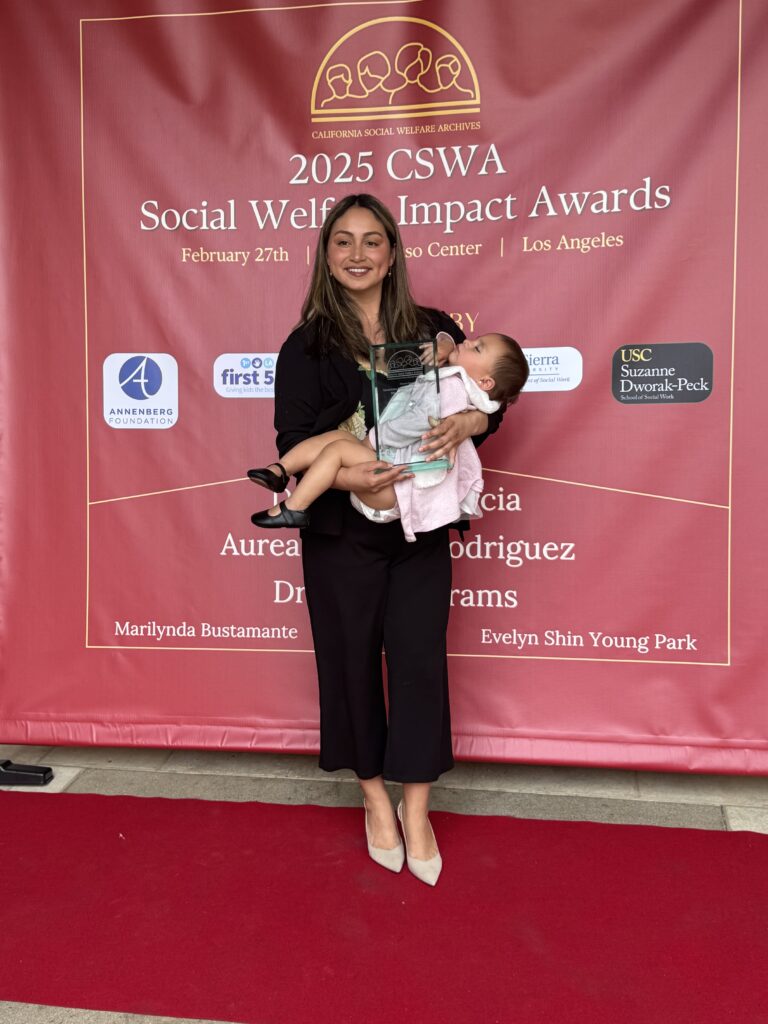
Marilynda Bustamante, a dedicated graduate student and mother, embodies the real-world consequences of this funding debate.
As she navigates the demanding final semester of her social work program at USC, her ability to pursue her educational goals is intrinsically linked to the subsidized child care her daughter, Serenity, receives.
This care provides a safe and nurturing environment for her two-year-old, allowing Marilynda to focus on her studies and future career.
The threat of losing this support system, even temporarily, presents a daunting challenge to her academic progress and her family's stability.
Marilynda's situation is a stark illustration of how interconnected social services are.
Her reliance extends beyond child care to include a home visiting program offering parenting support, a monthly stipend for basic needs like rent and diapers, and access to mental health therapy.
These services, often facilitated through programs like CalWORKs, California's version of the federal Temporary Assistance for Needy Families (TANF) program, form a critical safety net.
For individuals like Marilynda, who have experienced homelessness and are actively working to build a better future, any disruption to this integrated support system can have profound and immediate repercussions.
She articulates a powerful sentiment: "Just because the funding is paused doesn’t mean my life pauses." This highlights the urgent need for consistent support, as life's demands do not cease when funding streams become uncertain.
The Ripple Effect of Service Interruption
Marilynda's experience underscores the cascading effect that a loss of child care subsidies could have.
For her, it means potentially having to abandon her graduate studies.
This would not only derail her personal and professional aspirations but also jeopardize her ability to repay significant student stipends, potentially leaving her with substantial debt and no degree.
The fear is palpable: "Unfortunately, if I don’t get my degree, because I have to drop out because CalWORKs ends because child work ends, I can't complete that promise, and then I'm going to be stuck with $50,000 in debt that I have to pay back and no degree, nothing to show for it." This narrative emphasizes that child care funding is not merely about babysitting; it is a crucial investment in human capital and future economic contributions.
Her journey from experiencing homelessness to pursuing higher education is a testament to the power of accessible support systems.
The rapid rehousing program that initially provided housing assistance, followed by the intricate weaving together of various social services, demonstrates resilience and the critical role these programs play in enabling individuals to regain their footing.
The monthly stipends for diapers and the support from home visiting programs, while seemingly small, are vital components that, when combined with her part-time work and academic achievements, allow her to manage her responsibilities.
The potential loss of these integrated supports threatens to unravel years of progress and hard work.
Addressing Allegations of Fraud: Oversight vs.
Overreach
The federal administration's justification for the funding freeze centers on allegations of "extensive and systemic fraud" within child care programs in several Democrat-led states, including California.
These claims gained traction following a viral video that purported to expose fraudulent practices by child care providers.
While the existence of fraud in any system is a serious concern that warrants investigation and accountability, the broad nature of the federal action has drawn criticism.
Studies indicate that while fraud can occur in large-scale programs, it is often not representative of the majority of providers or beneficiaries.
The challenge lies in striking a balance between robust oversight mechanisms designed to prevent and detect fraud and ensuring that legitimate families and providers are not unduly penalized.
Marilynda herself acknowledges the possibility of fraud: "I get that fraud can happen.
I’m sure it’s very rare.
And I understand that systems need to be audited, and I support that." However, she immediately pivots to the immediate, pressing needs of families: "But at the end of the day, I still have to feed my daughter, pay rent, get to school, do my homework, go to my internship, go to my job." This sentiment highlights the critical distinction between addressing systemic issues and maintaining the daily operational needs of families.
California's Response and the State of Subsidized Care
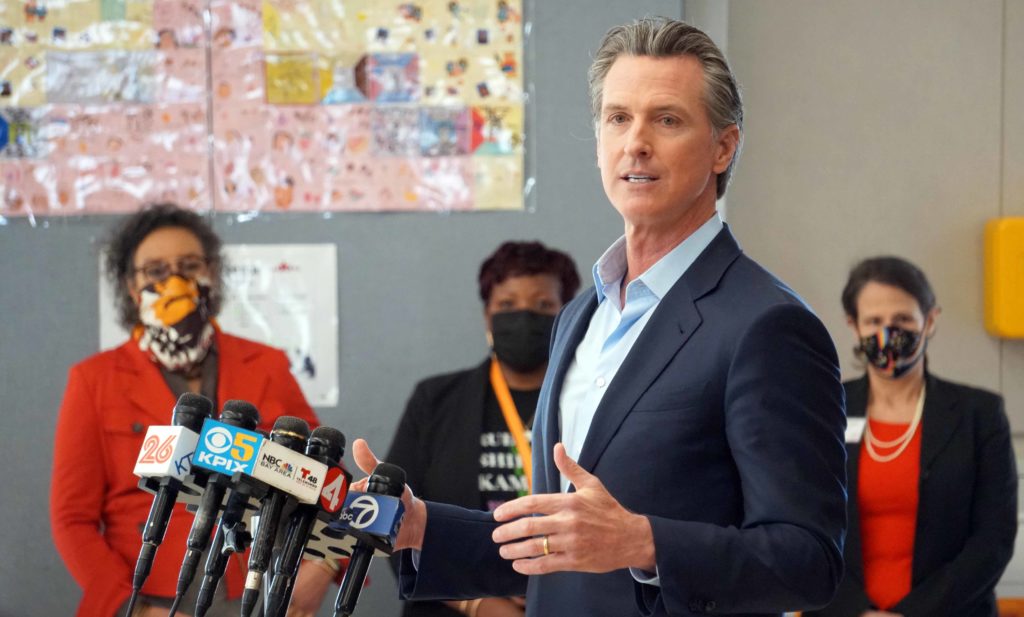
California's Attorney General has publicly stated that the federal accusations of widespread fraud by child care providers are "baseless." This assertion, coupled with the state's ongoing investigations into fraud allegations that have spanned over a decade, suggests a nuanced approach to the issue.
The state has a vested interest in ensuring the integrity of its programs while also safeguarding the accessibility of essential services for its residents.
The California Budget & Policy Center, a research organization, has provided critical data on the state's child care landscape.
Their analysis reveals a significant gap between the number of children eligible for subsidized child care and those actually enrolled.
In 2024, over 2.1 million children were eligible, yet only a fraction, approximately 16%, were able to access these subsidized programs.
This data point is crucial because it indicates that the system is already under-resourced and struggling to meet existing demand, even before considering potential federal funding disruptions.
Furthermore, despite commitments from the governor's administration to expand subsidized child care slots, progress has been slower than anticipated.
A freeze on federal funds would undoubtedly exacerbate this existing deficit, placing California in an even more precarious position to address the needs of its families.
The high cost of removing child care support is not just financial; it represents a significant impediment to economic mobility and educational attainment for countless individuals.
The Economic and Social Imperative of Stable Child Care Funding
The debate over federal child care funds in California is not solely about budgetary allocations; it is fundamentally about the economic and social well-being of families and the state as a whole.
Reliable child care enables parents, particularly mothers who disproportionately bear caregiving responsibilities, to participate in the workforce, pursue education, and contribute to the economy.
When child care is inaccessible or unaffordable, it creates significant barriers to employment and advancement.
Research consistently shows a strong correlation between access to quality early childhood education and positive long-term outcomes for children, including improved academic performance, better social-emotional development, and reduced rates of crime and poverty.
Investing in child care is, therefore, an investment in the future workforce and a more equitable society.
The allegations of fraud, while needing to be addressed, should not overshadow the fundamental need for these services.
The Bustamante Case: A Microcosm of Broader Challenges
Marilynda Bustamante's personal narrative serves as a powerful case study illustrating the multifaceted challenges faced by families relying on subsidized care.
Her journey from homelessness to graduate student highlights the transformative potential of integrated support systems.
The rapid rehousing program provided a crucial stepping stone, and her ability to "braid together resources" from various social services demonstrates resourcefulness and the importance of a comprehensive approach to family support.
The specific details of her situation – the monthly stipend for diapers, the support from home visiting programs, and the income from her part-time research assistant role – paint a picture of a family meticulously managing their resources to meet their needs.
The potential loss of child care funding would not just be an inconvenience; it would be a destabilizing force that could unravel her carefully constructed path toward self-sufficiency and educational attainment.
The stakes are incredibly high, involving not only her own future but also the well-being and development of her young daughter.
Ensuring Continuity: Strategies for Resilience
In the face of funding uncertainty, several strategies can be employed to bolster the resilience of families and the child care system.
For families, staying informed about policy developments and advocating for their needs is crucial.
Understanding the specific programs they rely on and the potential impacts of funding changes can empower them to seek alternative solutions or support networks.
For policymakers and program administrators, maintaining transparent communication with families and providers is essential.
Clear guidance on the status of funding, potential changes, and available resources can help mitigate anxiety and facilitate smoother transitions if adjustments become necessary.
Furthermore, exploring innovative funding models and partnerships, both at the state and local levels, can help diversify revenue streams and reduce reliance on any single source of federal funding.
The Role of Education and Advocacy
Mentofy, as a global learning platform, recognizes the critical role of education in empowering individuals and communities.
Understanding the complexities of social service funding, the legislative processes that shape them, and the economic arguments for investing in early childhood education are vital for informed decision-making and effective advocacy.
Educating oneself on these issues allows for more meaningful engagement in policy discussions and a greater capacity to support initiatives that promote family stability and child development.
The case of federal child care funding in California underscores the need for ongoing dialogue and action.
While legal battles and administrative processes unfold, the human element remains at the forefront.
Families like Marilynda's are not statistics; they are individuals striving for a better future, and their ability to achieve their goals is inextricably linked to the availability of stable, accessible, and affordable child care.
The commitment to ensuring that federal funds reach their intended beneficiaries without undue disruption is paramount for the well-being of children and the prosperity of communities.
Conclusion
The temporary pause in the federal child care funding freeze offers a much-needed breath of relief for families in California, yet the underlying concerns about the stability and accessibility of these vital services persist.
The allegations of fraud, while necessitating careful review and oversight, must be balanced against the immediate and profound impact on families striving for educational advancement and economic security.
The story of Marilynda Bustamante vividly illustrates the interconnectedness of child care with broader social support systems and the potentially devastating consequences of funding disruptions.
As California navigates these challenges, the imperative remains to strengthen its commitment to an already under-resourced child care system, ensuring that all children have access to nurturing environments and that parents have the support they need to thrive.
The path forward requires a concerted effort to balance accountability with accessibility, safeguarding the future of countless families and the well-being of the next generation.





 Explore AI Teaching Tools
Comments (0)
Please login to comment
No comments yet
Be the first to comment on this article