
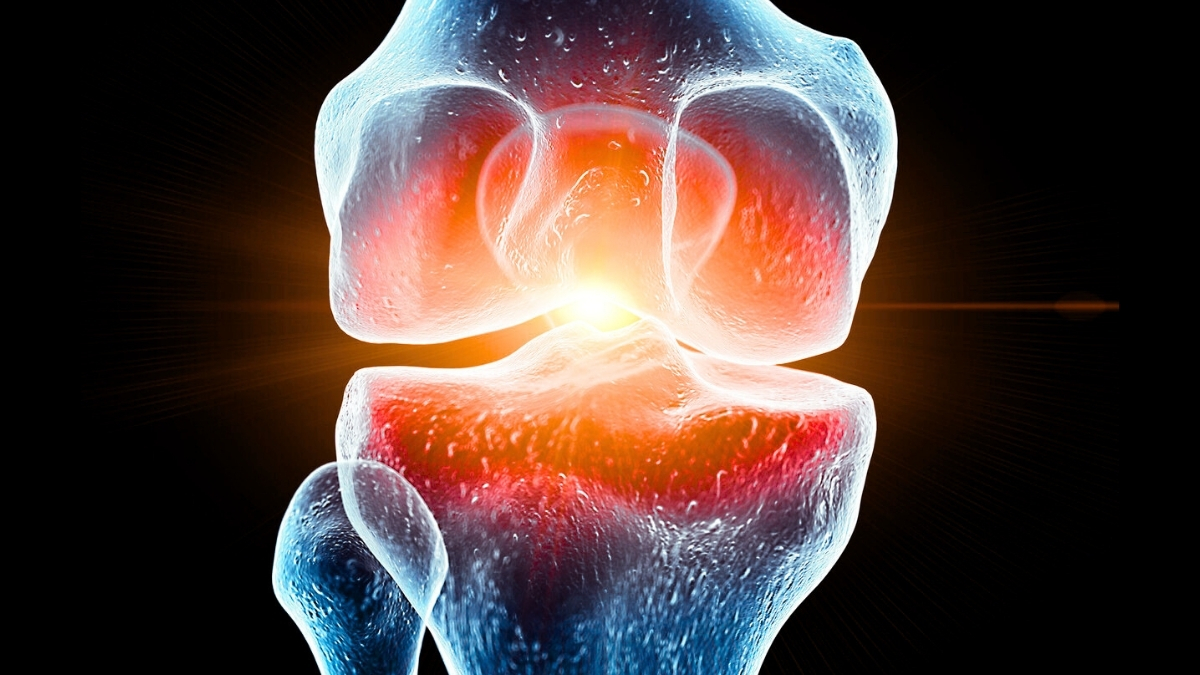
Astronauts embarking on long-duration spaceflight may be facing a hidden threat to their physical well-being: significant damage to knee cartilage. This isn't just a concern for the elite few venturing beyond Earth's atmosphere; the groundbreaking research uncovering this issue offers a timely reminder for educators about the importance of proactive health and resilience, both for themselves and the students they guide. Understanding how extreme environments impact the human body can inform our approaches to learning and well-being right here on the ground.
The Silent Toll of Zero Gravity on Our Joints
For decades, the physical effects of space travel have been a subject of intense scientific scrutiny. While bone density loss and muscle atrophy are well-documented, new findings suggest that the delicate cartilage in our knees might be suffering in ways we're only beginning to comprehend.
Scientists have been investigating the structural changes occurring in the knee joints of astronauts after extended missions. The findings are compelling and point towards a vulnerability that requires further attention and potential intervention strategies.
A recent study, published in a leading biomedical journal, found that microgravity environments appear to accelerate the degradation of knee cartilage, a critical component for smooth joint movement and shock absorption.
This discovery has significant implications, not just for future space exploration but also for understanding degenerative joint conditions that affect millions on Earth. The unique stresses, or lack thereof, in space seem to trigger a cascade of changes that we are now working to understand and mitigate.
How Spaceflight Seems to Undermine Cartilage Health
The prevailing theory is that the absence of consistent gravitational loading plays a crucial role. Without the regular compression and decompression that our knees experience on Earth, the cartilage may not receive the necessary stimuli for maintenance and repair.
This lack of mechanical stress could be leading to a reduction in the production of proteoglycans, essential molecules that give cartilage its resilience and ability to withstand pressure. It's a subtle yet profound form of damage that can have long-term consequences.
Furthermore, changes in fluid distribution within the body in microgravity might also contribute to altered biomechanics, placing undue stress on certain areas of the knee joint when astronauts do experience gravity again, such as during re-entry or on other planetary surfaces.
Scientists Are Now Working to Protect These Vital Tissues
The good news is that researchers are not just identifying the problem; they are actively seeking solutions. The quest to protect knee cartilage in spaceflight is yielding promising avenues for both astronauts and, potentially, individuals on Earth dealing with joint issues.
One area of focus involves developing specialized exercise regimens and equipment designed to mimic the loading conditions of Earth's gravity. These interventions aim to provide the necessary mechanical cues to keep cartilage healthy and robust.
Moreover, scientists are exploring pharmacological interventions and nutritional supplements that could support cartilage health and regeneration. The goal is to find ways to actively repair or prevent the damage before it becomes irreversible.
The Role of Targeted Therapies
Beyond exercise, the development of targeted therapies is a key frontier. This includes investigating growth factors and other biological agents that can stimulate chondrocytes, the cells responsible for producing and maintaining cartilage.
The research is still in its early stages, but the potential to protect the knee cartilage of astronauts is a significant step. It highlights the power of scientific inquiry to address complex biological challenges.
A 2024 review of space medicine research found that advancements in understanding microgravity's impact on musculoskeletal health could lead to novel treatments for osteoarthritis and other degenerative joint diseases.
The insights gained from studying the extreme environment of spaceflight are proving invaluable for terrestrial medicine. What we learn about protecting knee cartilage in zero gravity may soon translate into better care for athletes, aging populations, and anyone suffering from joint pain.
Lessons for Educators: Building Resilience in the Classroom
While the direct application to knee cartilage might seem distant, the underlying principle is profoundly relevant to education. Just as astronauts need support to maintain their physical health in a challenging environment, students and educators alike benefit from environments that foster resilience and well-being.
Consider the parallels: prolonged periods of inactivity or stress can lead to burnout for teachers and disengagement for students. Just as spaceflight requires proactive measures to protect the body, effective teaching requires strategies to nurture mental and emotional health.
This means creating learning environments that are not only academically stimulating but also supportive and adaptable. It's about understanding the unique pressures our students face and providing the tools and encouragement they need to thrive.
Here are some actionable insights educators can implement:
- Incorporate short, energizing breaks into lessons to combat sedentary periods, akin to the exercise astronauts undertake.
- Utilize MentofyCove classroom games to foster engagement and reduce cognitive fatigue through active participation.
- Design lessons that offer choice and flexibility, empowering students to manage their learning journey and build self-efficacy, much like astronauts manage their mission tasks.
- Leverage Mentofy AI teaching tools for efficient lesson planning and to create varied assessment methods that cater to different learning styles, reducing the pressure of standardized testing.
- Foster a classroom culture that encourages asking questions and seeking help, mirroring the collaborative problem-solving essential in space missions.
The research into spaceflight's impact on knee cartilage, while specific, underscores a universal truth: proactive care and understanding are key to long-term health and performance. For educators, this translates to prioritizing student and teacher well-being, creating adaptable and supportive learning spaces, and embracing innovative tools that can help manage the demands of the modern classroom.





 Explore AI Teaching Tools
Comments (0)
Please login to comment
No comments yet
Be the first to comment on this article