
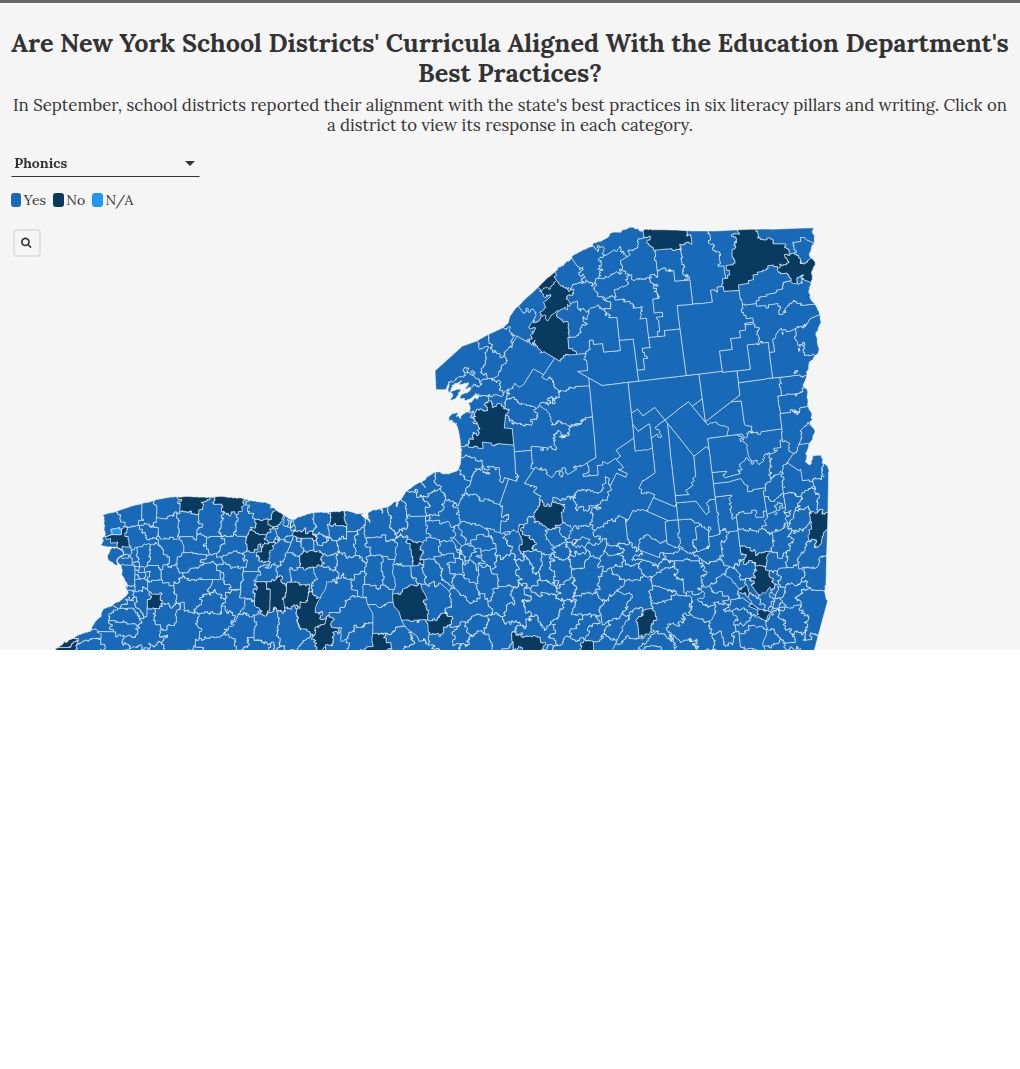
Scores of New York school districts are continuing to utilize reading curricula widely considered discredited, directly contradicting state mandates aimed at improving literacy. This alarming trend, revealed by an analysis of mandatory school surveys, means hundreds of thousands of students are being taught to read using methods that research suggests are ineffective, potentially exacerbating existing achievement gaps and leaving many students behind. Educators across the state face the urgent challenge of understanding and implementing evidence-based reading instruction to ensure all children have the foundational skills they need to succeed.
New York's Literacy Mandate Faces a Stark Reality Check
In 2024, Governor Kathy Hochul declared New York "embarrassing[ly]" late in adopting phonics-based reading instruction, a move already embraced by neighboring states like Connecticut and New Jersey. The "Back to Basics" law was designed to rectify this, mandating that by September 2025, school districts must align their reading curricula with the "science of reading." This approach emphasizes explicit, systematic teaching of phonics, the foundational connection between letters and sounds, as opposed to "balanced literacy," which often relies on context clues and guessing.
However, a deep dive into survey data submitted by school districts to the state reveals a significant disconnect. Over 130 districts, many in rural and suburban areas, are still employing balanced literacy programs. This widespread adoption of outdated curricula directly undermines the state's efforts to equip students with effective reading skills, particularly impacting those who are already at risk of literacy challenges.
"If 400,000 kids aren’t getting evidence-based instruction, that, to us, is a crisis."
The Lingering Shadow of Balanced Literacy
For years, balanced literacy dominated classrooms, promising a holistic approach to reading. This philosophy often encouraged students to use context clues, pictures, and prior knowledge to decipher words, rather than focusing on the systematic decoding of sounds and letters. While well-intentioned, extensive research has shown this method can mask underlying reading difficulties, such as dyslexia, and lead to poorer reading outcomes.
The "Back to Basics" law aimed to shift this paradigm, pushing districts toward curricula grounded in the science of reading. This research-backed approach posits that reading is not an innate skill but one that must be explicitly taught through phonemic awareness, phonics, fluency, vocabulary, and comprehension. Yet, the survey data indicates a substantial portion of districts have not made this critical transition.
Why Districts Are Sticking with the Familiar
Several factors contribute to the slow adoption of science-based reading curricula. For some districts, the significant investment in existing balanced literacy programs, including materials and teacher training, creates a financial disincentive to switch. The deeply ingrained culture of local control in New York's education system also plays a role, allowing districts considerable autonomy in curriculum selection, even when state guidance is provided.
Furthermore, the state's "Back to Basics" law, while mandating alignment with best practices, lacks robust enforcement mechanisms. Districts are largely entrusted with self-measuring their compliance, a system that advocates argue has contributed to New York's historically average reading scores.
The Disproportionate Impact on Vulnerable Students
The consequences of using discredited reading curricula are not felt equally across the student population. Students of color, those from low-income families, and English language learners are disproportionately affected. These students often lack the external support systems, such as private tutoring or specialized reading interventions, that might mitigate the shortcomings of ineffective classroom instruction.
When a school district fails to implement evidence-based reading instruction, these vulnerable students are left with fewer safety nets. The gap in reading proficiency can widen, impacting their academic trajectory and future opportunities. Research consistently shows that students who are not reading proficiently by third grade are at a significantly higher risk of academic failure and dropping out of high school.
Research shows children who fail to read proficiently by third grade are four times more likely to drop out of high school.
A National Movement, New York's Lagging Progress
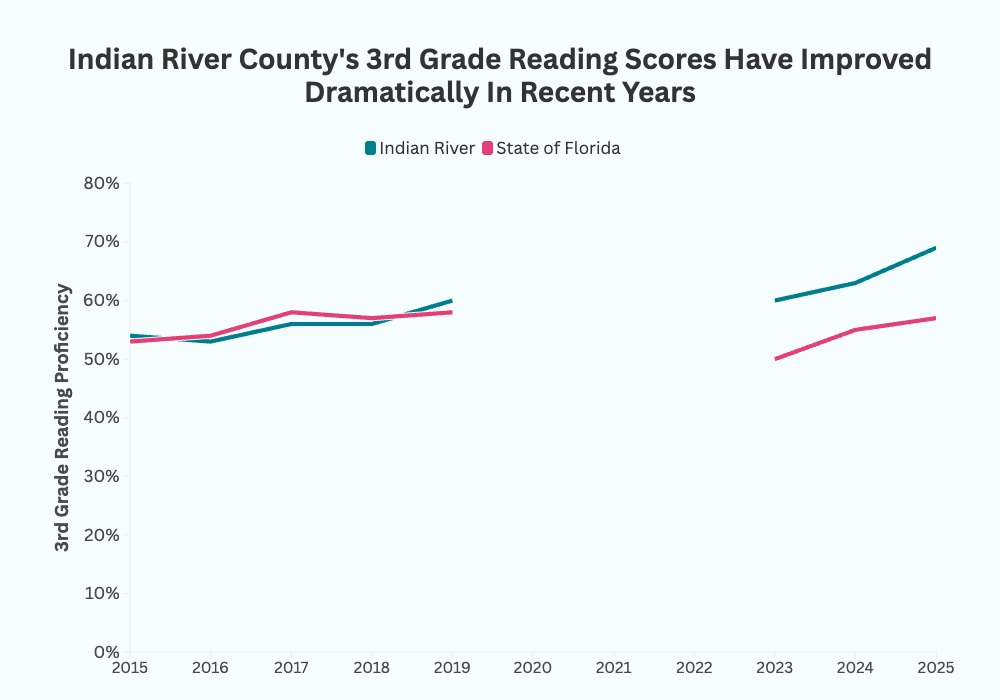
New York is not alone in its struggle to improve reading instruction. At least 37 states and the District of Columbia have embraced the science of reading, spurred by successes in states like Mississippi. Mississippi, once ranked among the worst for fourth-grade reading, saw dramatic improvements after implementing rigorous literacy laws, a trend dubbed the "Southern surge."
New York's approach, however, is characterized by its decentralized nature. Unlike some states that provide a list of approved curricula and offer financial incentives for adoption, New York's "Back to Basics" law primarily offers guidance and relies on districts to implement changes. This piecemeal strategy has left hundreds of thousands of students learning to read with outdated materials.
The Challenge of Implementation and Accountability
Even when districts report using curricula aligned with the science of reading, the actual implementation in the classroom can vary. Some districts, like Plattsburgh, Friendship, and Watkins Glen, reported misalignment despite submitting science-aligned curricula, citing a significant learning curve for teachers. This highlights the gap between curriculum adoption and effective pedagogical practice.
The state Education Department has pledged to reach out to noncompliant districts, offering resources and professional development. However, the absence of clear deadlines for full compliance and robust accountability measures leaves room for continued inaction. Advocates are calling for stronger enforcement, including requiring districts to submit literacy plans with evidence of implementation and to notify parents about the curricula being used.
Navigating the Path Forward: Actionable Insights for Educators
The current landscape presents a complex challenge for educators and administrators across New York. Understanding the science of reading and its implications for instruction is paramount. Here are key areas for educators to focus on:
- Deepen Understanding of the Science of Reading: Educators should actively seek professional development opportunities that focus on the foundational principles of phonemic awareness, phonics, fluency, vocabulary, and comprehension. Resources from organizations like EdTrust-New York and the International Dyslexia Association can be invaluable.
- Critically Evaluate Curricula: Even if a district has adopted a new curriculum, educators should critically assess its alignment with evidence-based practices. Tools like EdReports can help evaluate the quality of instructional materials. If a curriculum is not fully aligned, educators can supplement it with targeted, research-based interventions.
- Leverage Technology for Instruction: Digital tools can significantly enhance reading instruction. Platforms offering MentofyCove classroom games can make practicing phonics and vocabulary engaging. Additionally, Mentofy AI teaching tools can assist with lesson planning and creating differentiated learning materials.
- Advocate for Evidence-Based Practices: Educators can be powerful advocates within their school communities. Sharing research findings, highlighting student needs, and participating in curriculum review committees are crucial steps in driving change.
- Collaborate and Share Best Practices: Connecting with colleagues in other districts or states that have successfully implemented science-based reading instruction can provide valuable insights and support. Sharing strategies and challenges can foster a collective approach to improving literacy.
The transition to evidence-based reading instruction is not merely a policy shift; it is a fundamental imperative for ensuring educational equity and opportunity for all students. While the state of New York has taken steps, the ongoing reliance on discredited curricula underscores the need for greater urgency, clearer accountability, and more robust support for districts and educators.
The future of literacy in New York hinges on a collective commitment to evidence-based practices. By embracing the science of reading and utilizing innovative tools, educators can help ensure that every child has the opportunity to learn to read proficiently, unlocking their full potential and paving the way for a brighter future.




 Explore AI Teaching Tools
Comments (0)
Please login to comment
No comments yet
Be the first to comment on this article