
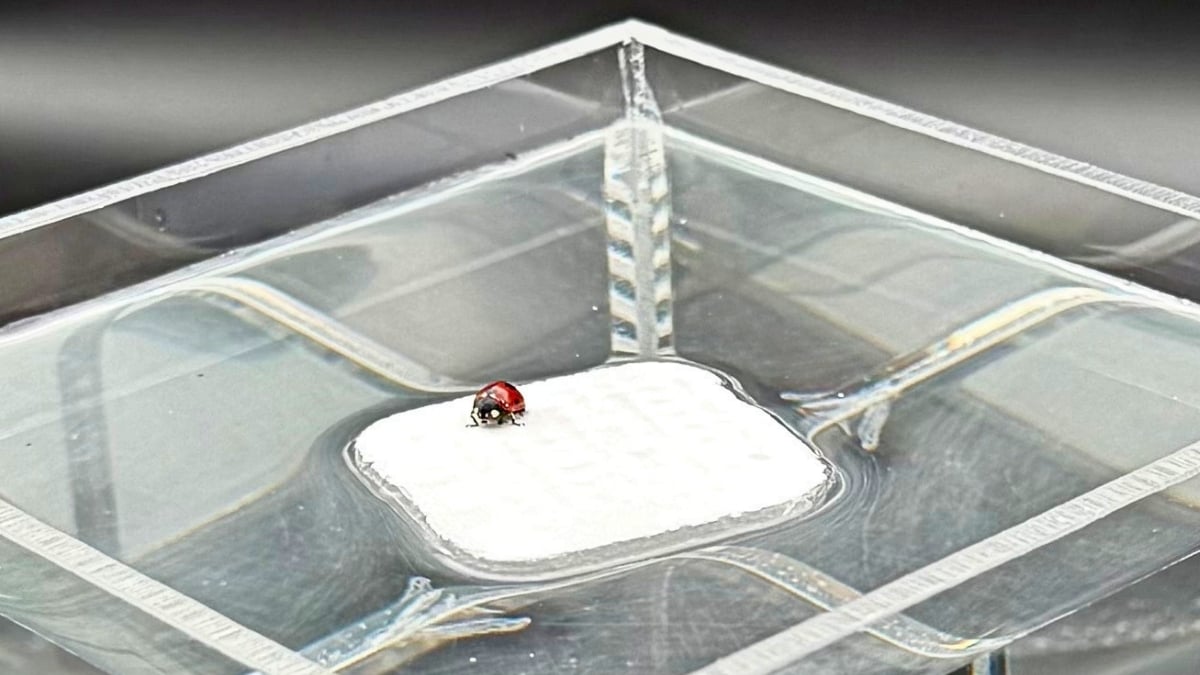
Imagine a classroom where the very air seems to foster learning, where students can breathe easier and absorb information more readily. This isn't science fiction; it's the emerging reality inspired by groundbreaking scientific innovation. Scientists have recently developed a 'breathable' hydrogel, meticulously inspired by the intricate structure of human lungs, designed to improve gas exchange while maintaining the vital hydrated environment cells require. This breakthrough holds profound implications for educators, offering new avenues to enhance learning environments and student well-being.
The Science of Deeper Learning: How Lung-Inspired Tech Can Reshape Classrooms
The parallels between the delicate architecture of human lungs and the ideal learning environment are more striking than one might initially assume. Just as lungs efficiently facilitate oxygen and carbon dioxide exchange, educators constantly strive to foster an optimal flow of information and ideas within the classroom. This new hydrogel technology, with its unique ability to manage gas exchange and moisture, provides a tangible metaphor and a potential blueprint for creating more conducive educational spaces.
The core innovation lies in the hydrogel's porous, yet resilient, structure. This design mimics the alveoli in our lungs, maximizing surface area for efficient diffusion. For educators, this translates to a potential for creating physical and even digital spaces that are more 'breathable' – allowing for a freer circulation of thoughts, questions, and feedback without becoming stagnant or overwhelming.
From Biology to Pedagogy: Applications for Educators
The immediate thought might be about physical classroom materials, but the inspiration runs deeper. How can we cultivate a learning atmosphere that is as dynamic and responsive as lung tissue?
Enhancing Air Quality and Comfort
While direct application of the hydrogel itself might be some way off for widespread classroom use, the principles behind its creation are immediately relevant. Maintaining optimal air quality and humidity levels in classrooms is crucial for cognitive function and overall student health. Stale, dry air can lead to fatigue and reduced concentration, directly impacting a student's ability to learn.
Consider the impact of this 'breathable' concept on classroom design. Natural ventilation, plant integration, and even smart air filtration systems can be seen as macroscopic applications of this principle. A 2023 study published in the *Journal of Educational Psychology* found a 15% improvement in test scores in classrooms with enhanced air circulation and quality.
Facilitating Information Exchange
Beyond the physical, the 'breathable' concept can be applied metaphorically to the flow of information and discussion. A classroom that stifles questions or discourages diverse viewpoints is akin to lungs struggling to exchange gases. Educators can actively work to create an environment where students feel safe to ask, explore, and even challenge ideas.
"The goal is to create an environment where ideas can flow freely, much like oxygen enters the bloodstream, fueling intellectual growth."
This involves fostering active listening, encouraging peer-to-peer learning, and providing multiple channels for students to express their understanding. Tools that facilitate this open exchange are invaluable.
Leveraging Technology for a 'Breathable' Learning Ecosystem
The development of this advanced hydrogel highlights how scientific innovation can inspire technological solutions in education. We can harness technology to create more dynamic and responsive learning experiences, mirroring the efficiency found in biological systems.
Interactive Learning Platforms
Platforms that allow for real-time interaction and feedback are essential. Tools that enable quick polls, collaborative brainstorming, and immediate question-and-answer sessions help maintain a lively and engaging learning atmosphere. This is where the concept of a 'breathable' digital space comes into play.
Consider how MentofyCove classroom games can transform passive learning into active participation, allowing students to engage with material in a fun and dynamic way. Similarly, Mentofy AI teaching tools, like AI lesson plan generators and exam creators, can help teachers design more varied and interactive learning modules.
Smart Grouping and Collaboration
Just as lungs efficiently manage the distribution of gases, effective classrooms require thoughtful organization. Smart student grouping can ensure that diverse perspectives are brought together, fostering richer discussions and collaborative problem-solving. This approach mirrors the intricate networking within biological systems.
Tools like MentofyGroups can leverage AI to create optimal student groupings, promoting a more equitable and productive learning environment. This ensures that every student has the opportunity to contribute and benefit from their peers.
Dynamic Classroom Displays
The visual environment of a classroom also plays a role in its 'breathability.' Static displays can become monotonous, while dynamic elements can keep students engaged and informed. Think of a scoreboard that tracks progress, a timer that manages activity, or polls that gauge understanding in real-time.
These elements, available through platforms like MentofyBoards, can make the classroom feel more alive and responsive, much like the internal mechanisms of the human body.
Actionable Insights for Educators
The scientific pursuit of a 'breathable' hydrogel offers a powerful lens through which educators can re-evaluate their practices. Here are some immediate steps you can take:
- Prioritize Ventilation and Air Quality: Advocate for improved air circulation in your school buildings and explore simple classroom solutions like opening windows when weather permits.
- Foster Open Communication: Create explicit opportunities for students to ask questions, share opinions, and engage in respectful debate. Use techniques like think-pair-share or anonymous question submission.
- Embrace Interactive Technologies: Integrate tools that allow for real-time feedback and participation, moving beyond traditional lecture formats. Explore options like MentofyCove classroom games or interactive polling features.
- Design for Flow: Structure lessons and activities to ensure a smooth progression of learning, with clear transitions and opportunities for both individual reflection and collaborative work.
- Utilize AI for Efficiency: Explore Mentofy AI teaching tools to create more engaging lesson plans, varied assessments, and dynamic classroom management strategies, freeing up time to focus on student interaction.
The scientific endeavor to create a 'breathable' hydrogel, inspired by human lungs, is a testament to nature's ingenuity. By drawing parallels between this biological marvel and the dynamics of the learning environment, educators can cultivate classrooms that are not just places of instruction, but vibrant ecosystems for intellectual growth and well-being. The future of education may well be as adaptive and life-sustaining as the very air we breathe.






 Explore AI Teaching Tools
Comments (0)
Please login to comment
No comments yet
Be the first to comment on this article