
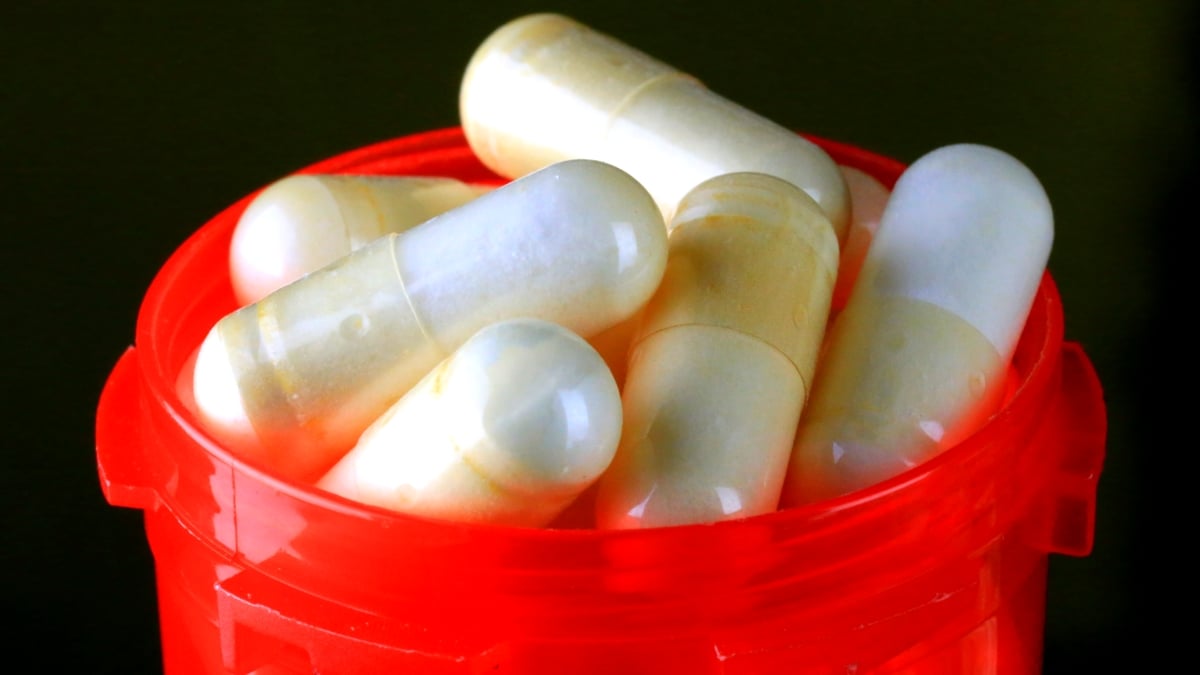
A staggering 73% of Americans report experiencing digestive issues regularly, yet many are unknowingly swallowing more than just beneficial bacteria when they reach for probiotic supplements. The murky world of probiotic labeling often leaves consumers and educators alike guessing about what's truly inside, impacting health choices and even our understanding of wellness in the classroom. This lack of transparency means we need to be more discerning than ever about the products we consume and recommend.
The Hidden Truths Lurking in Your Probiotic Pills
For years, the probiotic market has boomed, promising gut health and overall well-being. However, a closer look reveals a landscape riddled with misleading claims and a surprising lack of standardized regulation. Many supplements contain a cocktail of "inactive ingredients" that can be just as impactful as the live cultures themselves.
These fillers, binders, and artificial additives are often included for shelf-life, texture, or cost-effectiveness. For educators striving to promote healthy habits, understanding these hidden components is crucial. It’s not just about the good bacteria; it’s about what else is being ingested.
A 2023 consumer advocacy report found that over 40% of popular probiotic supplements contained undisclosed fillers and allergens, raising significant concerns for vulnerable populations.
Beyond the Bacteria: What Else Is In There?
When you pick up a probiotic bottle, you're likely seeing names like *Lactobacillus* or *Bifidobacterium* prominently displayed. These are the star players, the beneficial microbes we seek. But delve deeper into the ingredient list, and you might encounter:
- Cellulose: A common plant-based filler that adds bulk.
- Magnesium Stearate: A lubricant used in tablet manufacturing.
- Silicon Dioxide: An anti-caking agent.
- Titanium Dioxide: A whitener, often found in capsules.
- Artificial Colors and Flavors: Added for aesthetic appeal and palatability.
While some of these ingredients are generally considered safe in small quantities, their presence can be problematic for individuals with sensitivities or allergies. Furthermore, they dilute the concentration of the actual beneficial strains, meaning you might be taking more to achieve a desired effect.
Why Educators Need to Take Note of Probiotic Ingredients
As educators, we are often looked to for guidance on healthy living, whether directly or indirectly. Students, and their families, might ask about supplements or healthy eating habits. Understanding the nuances of products like probiotics allows us to offer more informed advice and foster a more critical approach to wellness.
The digestive system plays a surprisingly large role in overall health, influencing mood, immunity, and even cognitive function. If the very supplements meant to improve gut health are packed with unnecessary or potentially harmful additives, we're not actually helping.
The Impact on Student Well-being and Learning
While direct intervention in student supplement choices is inappropriate, fostering an environment of critical thinking about health products is valuable. Discussions around nutrition and the importance of reading labels can be integrated into health or science curricula. This encourages a proactive approach to personal well-being that extends beyond the classroom.
Consider the implications for students with dietary restrictions or allergies. Unidentified ingredients in supplements could lead to adverse reactions, impacting their ability to focus and participate in learning. It’s about empowering them with the knowledge to make informed decisions about what they put into their bodies.
Finally, Finding Clarity: What to Look For
The good news is that it is possible to find high-quality probiotic supplements. The key lies in diligent label reading and choosing brands that prioritize transparency and purity. Many reputable companies are now making an effort to minimize inactive ingredients and clearly disclose everything in their products.
When selecting a probiotic, look for products that list the specific strains of bacteria and their colony-forming units (CFUs). A shorter ingredient list, free from artificial additives, is generally a good sign. Some brands even offer third-party testing for verification, providing an extra layer of assurance.
Actionable Steps for Educators and Families
To navigate the complex world of probiotics, consider these practical steps:
- Read Labels Carefully: Don't just scan for the main probiotic strains. Examine the entire ingredient list for fillers, binders, and artificial additives.
- Prioritize Purity: Opt for products with the fewest inactive ingredients possible. Look for clear labeling of all components.
- Research Brands: Choose manufacturers known for their commitment to quality and transparency. Check their websites for information on sourcing and testing.
- Consult Professionals: For personalized advice, encourage individuals to speak with a healthcare provider or a registered dietitian.
- Educate and Empower: Integrate discussions about label reading and critical evaluation of health products into relevant classroom topics.
This mindful approach to supplement selection is not just about gut health; it's about adopting a broader perspective on wellness. It’s about understanding that what we consume, even in the name of health, has a direct impact on our bodies and minds.
A recent survey of 1,500 health-conscious consumers revealed that 62% felt overwhelmed by the sheer number of probiotic options and frequently wished for clearer ingredient information.
The journey to truly understanding what we are swallowing when we take probiotics is ongoing. By demanding greater transparency from manufacturers and educating ourselves and our students, we can make more informed choices. This allows us to truly embrace the benefits of beneficial bacteria without the unwanted company of unnecessary additives, finally finding the actual ingredients that support our well-being.







 Explore AI Teaching Tools
Comments (0)
Please login to comment
No comments yet
Be the first to comment on this article