
Federal Funding Cuts Spark Unprecedented Collaboration to Fortify Education's Future
In a landscape increasingly defined by economic uncertainty and political division, a surprising wave of innovation is sweeping through American education. Despite significant challenges, educators are forging powerful alliances, demonstrating that ingenuity and a shared commitment to learning can overcome even the most daunting obstacles.
A Shifting Landscape for Higher Learning
Recent years have seen a notable strain on the U.S. education system, particularly at the college and university level. Public trust has been tested, and many individuals now grapple with the perceived value of pursuing degrees and certifications amidst rising costs.
These pressures have cast a shadow over the open exchange of ideas, a cornerstone for the advancement of knowledge. Furthermore, programs designed to expand opportunities for students from underrepresented backgrounds have faced considerable setbacks.
Impact on Minority-Serving Institutions
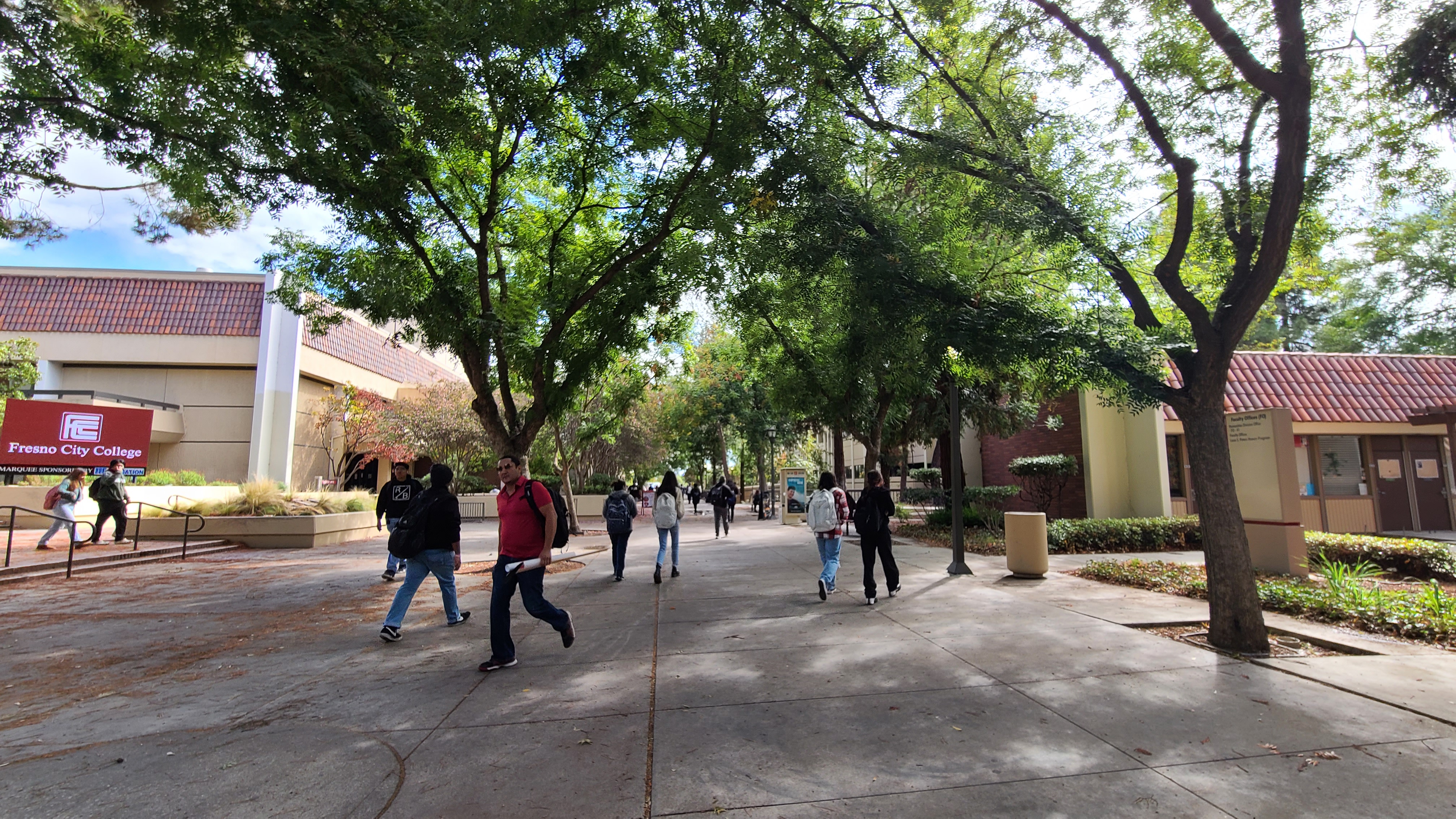
For instance, a substantial reduction in federal grants, totaling hundreds of millions of dollars, has directly impacted institutions dedicated to serving students of color. This funding cut has had a ripple effect, curtailing vital support for nearly a hundred community colleges across California, impacting tens of thousands of students.
At one such institution, Pasadena City College, the loss of these funds threatens critical programs that nurture student success in science, technology, engineering, and mathematics (STEM) fields. This directly affects the learning trajectory of many ambitious students.
The Ingenuity of Educators in Action
While federal resources may be constrained, the creative spirit of educators remains a potent force. The deep well of expertise residing within our schools and colleges represents an invaluable, yet often overlooked, national asset. Educators are actively uniting to empower teachers, enhance student learning, and provide crucial support for their colleagues.
Across the nation, partnerships are blossoming between K–12 districts, community colleges, and universities. By embracing shared data and collaborative learning across diverse educational systems, these alliances are dismantling institutional barriers, improving student outcomes, and proactively addressing the evolving needs of students and their communities.
Campus-Based Innovations
University campuses are becoming vibrant hubs for these transformative collaborations. At one prominent School of Education, the termination of federal grants necessitated difficult decisions, including staff reductions, which diminished the capacity to train and support future teachers.
Moreover, access to essential student loan funding for aspiring educators from low-income backgrounds has been restricted. These actions, intended to create divisions within the educational community, may inadvertently be galvanizing a movement to unite educators across various levels of the education system.
Forging Connections Across Systems
The commitment to educating students and building a more robust future for education is palpable. This renewed dedication is driving educators to connect and collaborate like never before, fostering a sense of shared purpose.
At the UCLA Department of Education, their K–12 teaching initiatives have broadened their mission. They are now deeply engaged with institutions within the California Community College system, a sector that serves over 2 million students, many of whom are the first in their families to attend college and come from low-income backgrounds.
Research-Practice Partnerships Take Root
These university departments are actively forming research-practice partnerships with community colleges, including Pasadena City College. These collaborations are designed to tackle persistent challenges in educational practice head-on.
Undergraduate and graduate students from the university, many of whom are transfer students themselves, are working alongside community college students and faculty. Together, they are gathering invaluable insights into the classroom experience and campus climate, ensuring that student voices directly inform and guide institutional change.
Addressing Rural Education Challenges
Similar innovative approaches are emerging in rural school districts, which frequently face difficulties in attracting and retaining qualified teachers. Teacher residency programs, specifically tailored for rural areas, are proving to be a powerful solution.
These programs offer financial stipends to candidates with strong ties to their local communities. They also provide accessible learning opportunities, hands-on training, and essential collegial support right where it’s needed most.
Building Local Capacity Together
In partnership with statewide technical assistance centers, educators and community members from K–12 districts and local community colleges are collaborating with university researchers. Their collective goal is to develop and support robust rural teacher residency programs.
Local and regional educators are forging strategic alliances to address critical issues such as transportation and access to adequate instructional facilities. Simultaneously, they are enhancing the availability of high-quality teacher development through partnerships with local community colleges and flexible, hybrid programs offered by institutions of higher education.
A Foundation of Shared Learning
These collective efforts represent a profound shift toward systemic change, built on a foundation of trust and mutual learning. This approach promises to yield more enduring improvements than reforms dictated by political agendas or imposed by decree.
In an era marked by political polarization, financial instability, and pervasive uncertainty, dedicated educators are steadfastly leveraging their expertise, collaborative spirit, and unwavering commitment to learning. They are actively shaping the future of our colleges and universities.
This dedication to increased collaboration is paramount as we strive to ensure equitable access to learning and opportunity for all students. The shared belief in the transformative power of learning fuels our collective mission to strengthen our communities and nation, one student at a time.






 Explore AI Teaching Tools
Comments (0)
Please login to comment
No comments yet
Be the first to comment on this article